What Is Smart Logistics?
2025-06-19
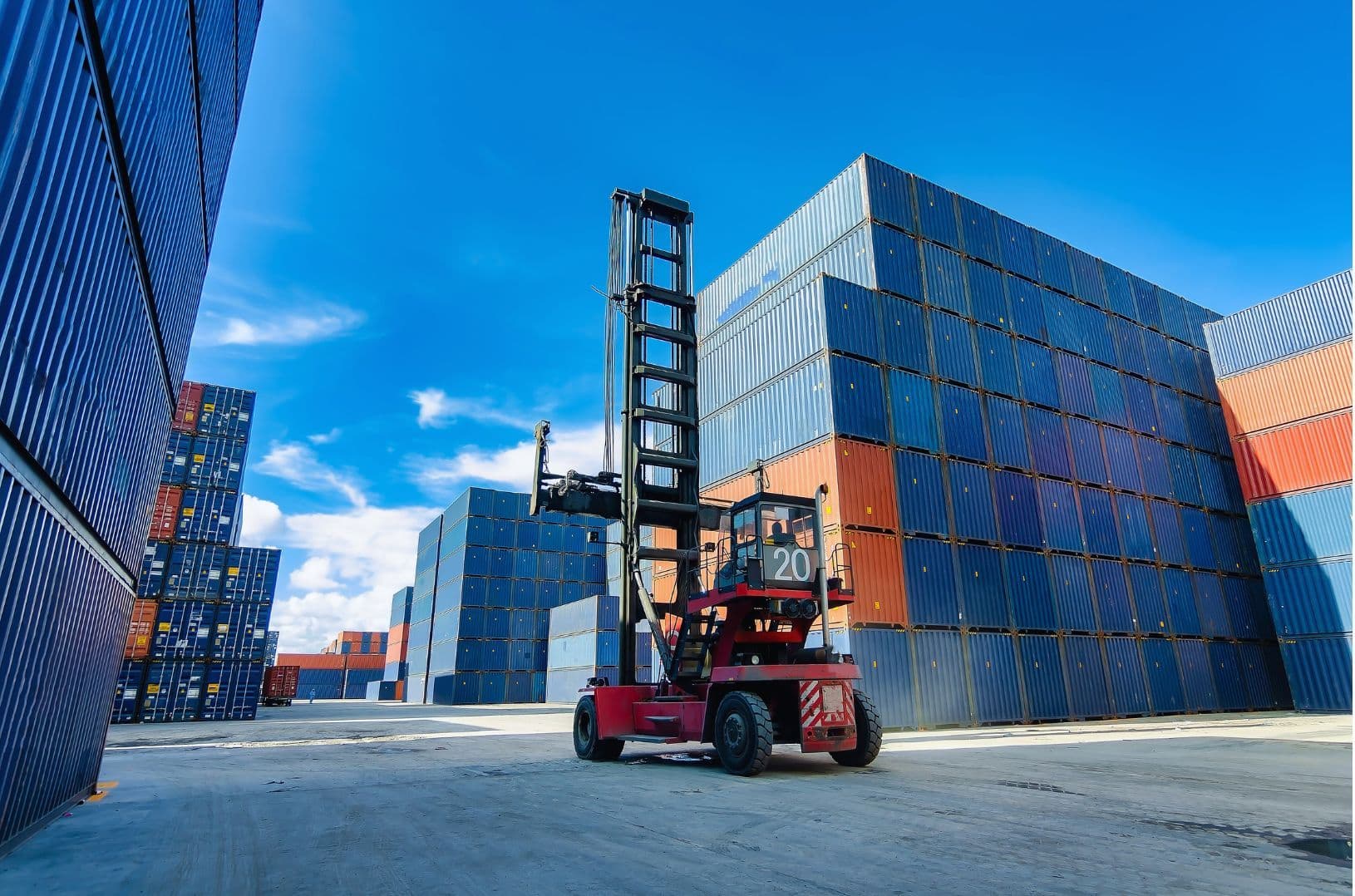
As the Fourth Industrial Revolution continues to reshape industries worldwide, logistics is no exception. Traditional supply chain management methods are increasingly showing limitations in terms of speed, accuracy, and adaptability. This is where Smart Logistics emerges as an essential solution, one that promises to transform the entire logistics landscape. So, what exactly is Smart Logistics, and why is it considered the key to the future of supply chains? Let’s explore this in detail.
1. What Is Smart Logistics?
Smart Logistics goes beyond simply digitizing traditional logistics processes. It is an interconnected ecosystem that integrates cutting-edge technologies such as Artificial Intelligence (AI), the Internet of Things (IoT), Big Data, and Blockchain to create a smart, automated, transparent, and self-optimizing supply chain.
Imagine a supply chain in which every component from warehouses and transport vehicles to individual packages communicates in real-time. The system can automatically forecast demand, optimize transportation routes to avoid congestion, monitor the condition of goods with precision, and make informed decisions with minimal human intervention. That is the full picture of Smart Logistics.
2. The Technological Pillars Powering Smart Logistics
The "smart" aspect of Smart Logistics is built upon several breakthrough technologies:
Internet of Things (IoT)
Sensors attached to trucks, containers, pallets, and even products constantly collect and transmit data such as location, temperature, humidity, and shock levels. This enables 24/7 real-time monitoring of goods, ensuring safety and quality especially for sensitive items like food or pharmaceuticals.
Artificial Intelligence (AI) and Machine Learning
AI serves as the brain of the system. It analyzes the massive data streams collected by IoT to deliver accurate market demand forecasts, optimize warehouse slotting, plan intelligent transport routes, and even predict potential supply chain risks.
Big Data
The entire supply chain generates enormous volumes of data. Big Data analytics allows businesses to identify patterns, trends, and insights that were previously invisible enabling smarter strategic decisions, better performance, and lower costs.
Cloud Computing
Cloud platforms provide the infrastructure to store, process, and access data from anywhere. This enables seamless and efficient information sharing among all stakeholders in the supply chain including manufacturers, suppliers, carriers, and customers.
Blockchain
Blockchain technology adds absolute transparency and security. Every transaction and movement of goods is recorded in an immutable ledger, enhancing trust, preventing fraud, and making product traceability easy and reliable.
Digital Twin
A Digital Twin is a virtual replica of a physical object, process, or even an entire supply chain. With a Digital Twin, businesses can simulate scenarios, test changes, and optimize operations in a virtual environment before implementing them in real life minimizing risk and cost.
3. Outstanding Benefits of Smart Logistics
Adopting Smart Logistics is not just a tech trend it’s a strategic investment that offers substantial advantages:
Performance Optimization: Automation in warehouse and transport management reduces human errors, accelerates order processing, and speeds up deliveries.
Cost Reduction: Intelligent route planning saves fuel. Accurate inventory control reduces storage costs and prevents overstocking or stockouts.
Increased Transparency: Both businesses and customers can track shipments in real time, improving trust and planning accuracy.
Enhanced Customer Experience: Faster, more accurate deliveries with clear updates are key to customer satisfaction in the digital age.
Flexibility and Rapid Response: The system can quickly detect issues (e.g., traffic jams) and automatically suggest alternatives, allowing the supply chain to remain resilient in the face of sudden disruptions.
Conclusion
Smart Logistics is no longer a far-off concept of the future it’s already here and rapidly becoming a necessity for businesses that aim to survive and thrive in an increasingly competitive market. By harnessing the power of technology, Smart Logistics transforms the supply chain from a cost center into a strategic competitive advantage, enabling companies to operate more efficiently, intelligently, and closer to their customers. Transitioning to this model is an essential step for any enterprise looking to be future-ready.
Recommended Blogs

Confined Space Entry Logs, What Location Data Adds When the Attendant Cannot See Inside
2026-09-28
Safety Grants and Workers' Comp Premium Credits: How Contractors Fund Construction Safety Technology
2026-09-23

Visitor Flow Analytics, Camera or Smartphone When You Cannot Hand Out Tags
2026-09-22

Smartphone Indoor Positioning, What an App and Beacons Cover and When You Need a Badge Tag
2026-09-21