Smart Manufacturing Management with Real-Time Location System (RTLS)
2025-06-19
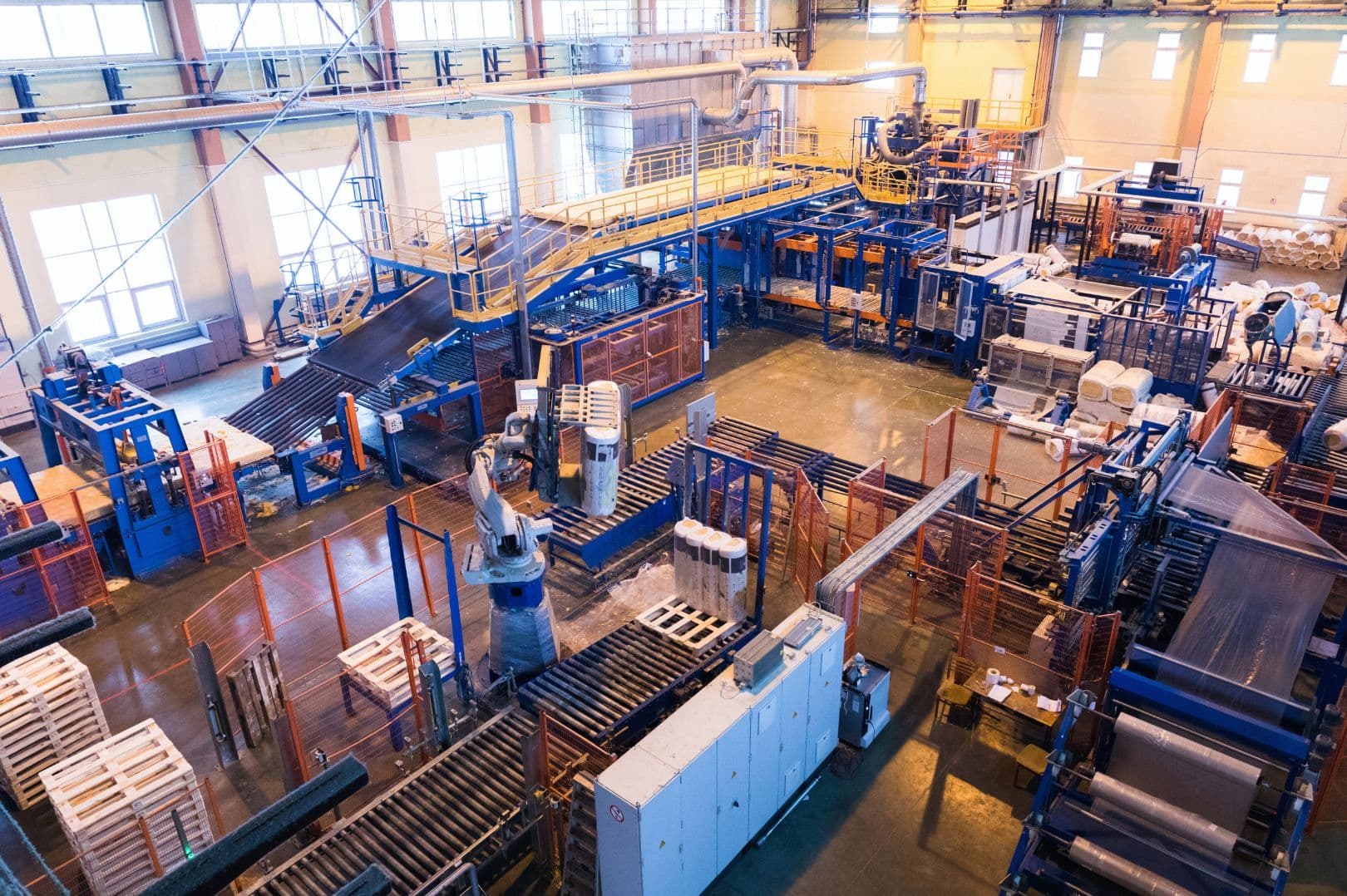
In the era of Industry 4.0, managing a manufacturing plant goes far beyond manual monitoring or relying on static reports. Modern technology has ushered in a new era where factories are becoming smarter, more agile, and more efficient than ever before. One of the standout solutions driving this transformation is the Real-Time Location System (RTLS). This article will help you understand what RTLS is, how it works, and the significant benefits it can bring to your manufacturing operations.
What Is RTLS and How Does It Work in Manufacturing?
A Real-Time Location System (RTLS) is a technology that enables the precise tracking of the location of assets ranging from machines and materials to products and personnel in real time. RTLS leverages technologies such as RFID (Radio Frequency Identification), GPS, Bluetooth Low Energy (BLE), or Wi-Fi to collect location data and transmit it to a central management system.
In a manufacturing facility, RTLS operates through:
Location tags: Attached to assets or employees that need to be tracked.
Signal readers: Placed at strategic locations throughout the plant to collect data from the tags.
Management software: Analyzes the real-time data and provides insights to support decision-making.
For example, in an automobile manufacturing plant, RTLS can track components such as wheels, engines, or seats ensuring they are delivered to the correct assembly line at the right time, minimizing errors and delays.
Specific Benefits of RTLS for Manufacturing Plants
Implementing RTLS brings a wide range of practical benefits, helping factories run smoothly while optimizing resources. Here are the key advantages:
1. Accurate Inventory Management
RTLS provides a complete overview of the location and status of raw materials, work-in-progress, and finished goods within the plant. This minimizes loss, optimizes warehouse space, and ensures resources are always available when needed.
Real-world example: An electronics manufacturing plant uses RTLS to locate batches of microchips, enabling faster retrieval and reducing assembly prep time by 15%.
2. Improved Worker Safety
RTLS can detect and alert when personnel enter hazardous zones such as furnaces, hydraulic presses, or chemical storage areas. This not only protects workers but also reduces legal risks and insurance costs.
Real-world example: A steel manufacturing plant uses RTLS to send alerts when workers approach a smelting furnace area, cutting safety incidents by 30%.
3. Process Optimization
Real-time data from RTLS helps managers identify bottlenecks in production lines and make timely adjustments to boost efficiency. It also enables tracking of the entire workflow from raw material intake to finished product output.
Real-world example: A food processing plant uses RTLS to monitor the storage time of fresh ingredients, ensuring quality and compliance with food safety regulations.
4. Reduced Equipment Maintenance Costs
RTLS tracks machine performance and operational status, supporting predictive maintenance and scheduled servicing. This helps avoid unexpected downtime and reduces repair costs.
Real-world example: A paper manufacturing facility integrates RTLS to monitor vibration levels in cutting machines, enabling early fault detection and reducing annual maintenance costs by 25%.
5. Enhanced Workforce Management
RTLS monitors the location and activities of personnel within the factory, optimizing task assignments, reducing idle time, and boosting labor productivity.
Real-world example: A textile factory uses RTLS to identify whether workers are in the fabric-cutting or sewing areas, allowing for flexible coordination and a 10% increase in labor efficiency.
Real-World Applications of RTLS in Manufacturing Plants
RTLS has proven its value across various real-world use cases in global manufacturing environments:
Automotive industry: A Toyota plant in Japan uses RTLS to track components along the assembly line, reducing errors to below 1% and increasing production speed by 20%.
Electronics industry: Samsung applies RTLS to manage semiconductor component inventory, cutting material search time from minutes to just seconds.
Food industry: A European dairy processing plant uses RTLS to track fresh milk containers, ensuring timely delivery and optimal product quality.
These examples show that RTLS is not just a technology, it's a strategic enabler for factories to stay competitive in the global market.
Conclusion
A Real-Time Location System (RTLS) is the key to transforming your manufacturing plant into a smart, efficient, and safe ecosystem. From accurate inventory management and optimized processes to improved worker safety and reduced operational costs, RTLS delivers outstanding value that no business can afford to overlook.
Start exploring and implementing RTLS today to elevate your factory to the next level ready to compete in the Industry 4.0 era!
Recommended Blogs
Forklifts Queue at Dispatch. Look at Dwell Time.
2026-10-08

Found the Medical Equipment. Is It Ready to Use?
2026-10-07

Your Factory Layout Changed. Did Your RTLS Map?
2026-10-06

Contractor Safety Management, How to Record When Contract Workers Arrived and Where They Worked
2026-10-02