Angle of Arrival
AoA-based Indoor Positioning RTLS
BLE 5.1 AoA calculates direction information through CTE-based IQ sampling and supports precise indoor location tracking by estimating azimuth and elevation angles.
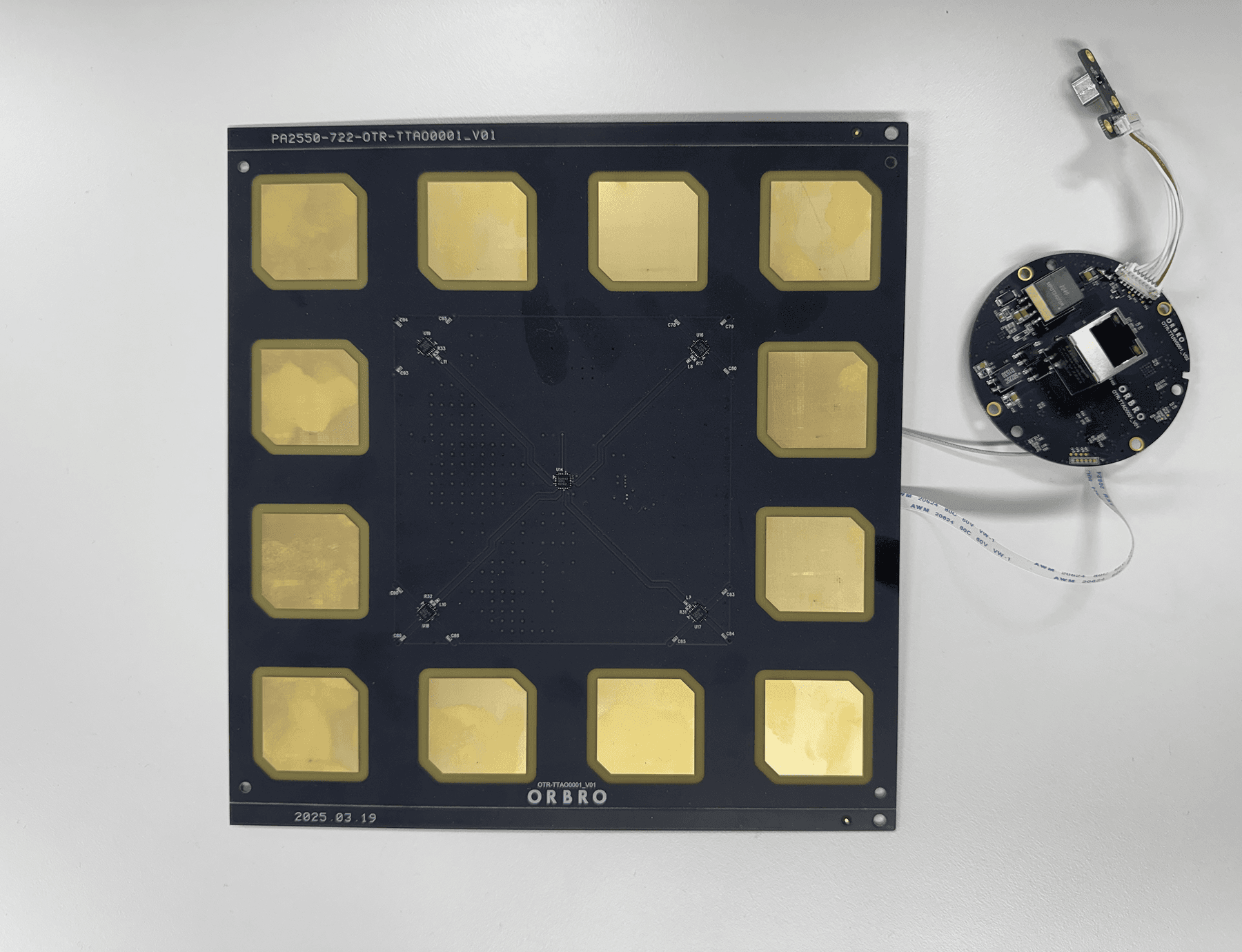
BLE 5.1 AoA is a Direction Calculation Technology Based on IQ Signals
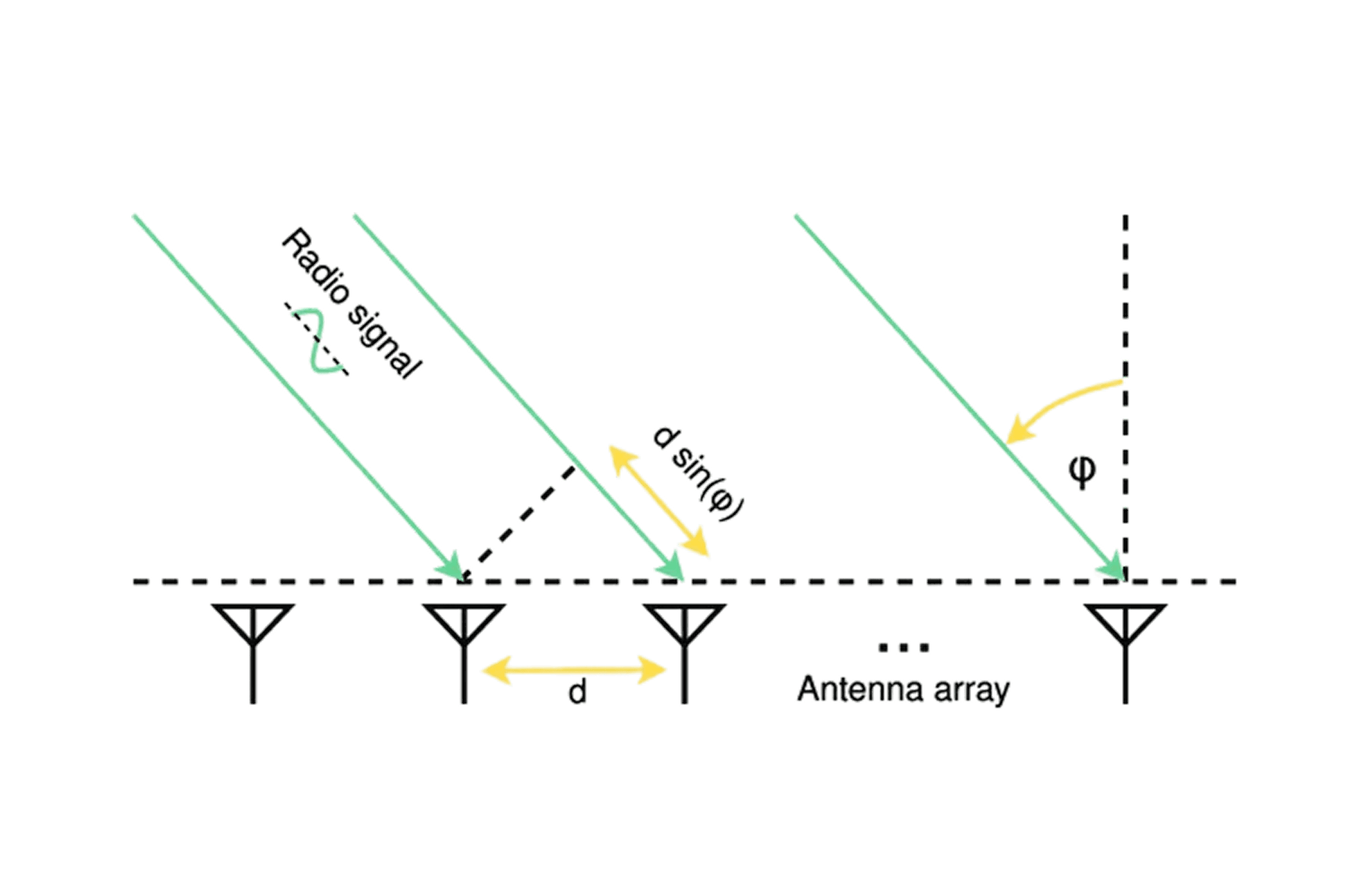
BLE AoA is a method of estimating location by calculating the arrival direction of wireless signals. While existing RTLS technologies relied on signal strength (RSSI) or time difference (TDoA), AoA is structured to measure the angle at which a signal reaches an antenna array. To enable this calculation, the BLE 5.1 standard defines a dedicated signal structure called CTE (Constant Tone Extension). CTE is a structure that appends a constant frequency tone of a certain length after the payload transmission, allowing for periodic IQ data collection during this interval. The receiver anchor analyzes the phase difference of the IQ signals collected in this CTE interval to calculate the angle of arrival (Azimuth). The core of azimuth calculation lies in accurately measuring the phase difference between multiple antennas. The spacing between receiving antennas is generally designed within half a wavelength (λ/2), and the phase difference changes linearly according to the reception angle. By compensating for the resulting phase difference with the frequency and the distance between antennas, the exact incident angle can be estimated in real-time. ORBRO's AoA system is designed to fully receive BLE 5.1 CTE signals, with 12 antennas performing IQ sampling sequentially. IQ data is output in real-time via serial communication, and the IQ values received from each antenna are converted into continuous angles according to the azimuth calculation algorithm. BLE AoA is highly scalable because it can be applied using only general-purpose BLE transmitting devices without special tag settings. Additionally, since the AoA method prioritizes calculating relative position information based on angles rather than direct coordinates, it is advantageous in terms of responsiveness and computation speed required for real-time tracking.
Adding Elevation to Azimuth Changes the Resolution of Location
BLE AoA is inherently a method of calculating the incident angle of a signal, but most implementations are limited to measuring only the Azimuth. In such cases, coordinates are only identified on a horizontal plane, making it difficult to respond to floor differentiation or height changes. Especially in indoor environments where vertical movement is frequent, such as ceilings, shelves, and stairs, these limitations directly impact positioning accuracy. To solve this problem, ORBRO introduced a 3D calculation structure that simultaneously calculates Azimuth and Elevation angles. ORBRO AoA arranges 12 receiving antennas in a square array and estimates the spatial entry path of the signal based on the position of each antenna and the difference in radio wave arrival distance. This allows for the calculation of vertical angles along with simple horizontal directions, reducing positioning errors in the Z-axis and including the entire 3D indoor structure within the calculation range. The 12-antenna structure is designed to secure multiple vertical-horizontal direction vectors simultaneously, and each antenna sequentially collects IQ data to form a 3D phase distribution. This distribution does not converge into a single azimuth result but is combined with altitude estimation values derived from multiple angles. As a result, the location is estimated as a point with directionality in space, providing an advantageous structure for interpreting movement direction and calculating floor separation. The reason existing AoA-based systems failed to implement altitude inference functions is due to limitations in hardware design and computational structure. However, ORBRO designed the antenna array from the start on the premise of elevation angle calculation and combined it with real-time IQ sampling and signal direction inference algorithms to implement a BLE RTLS system capable of high-resolution position calculation including vertical axis information.
Technical Principles of Operation
ORBRO AoA is a 3D location tracking technology that calculates azimuth and elevation angles by analyzing the phase difference of IQ signals received in the CTE interval. Utilizing a multi-antenna array and vector field algorithm, it compensates for vertical errors and enables stable direction-based location estimation.
Step 1. Poll Message Transmission and Signal Acquisition
Tags configured according to the BLE 5.1 standard periodically transmit signals including a Constant Tone Extension (CTE) interval of a certain length after the Advertisement Packet. The CTE interval is a tone with a fixed frequency, and the receiver is designed to stably extract IQ samples during this interval. Since the tag only performs the transmission function without separate calculations, battery consumption is low, making it advantageous for large-scale expansion.
Step 2. Response Message Transmission and RTT Collection
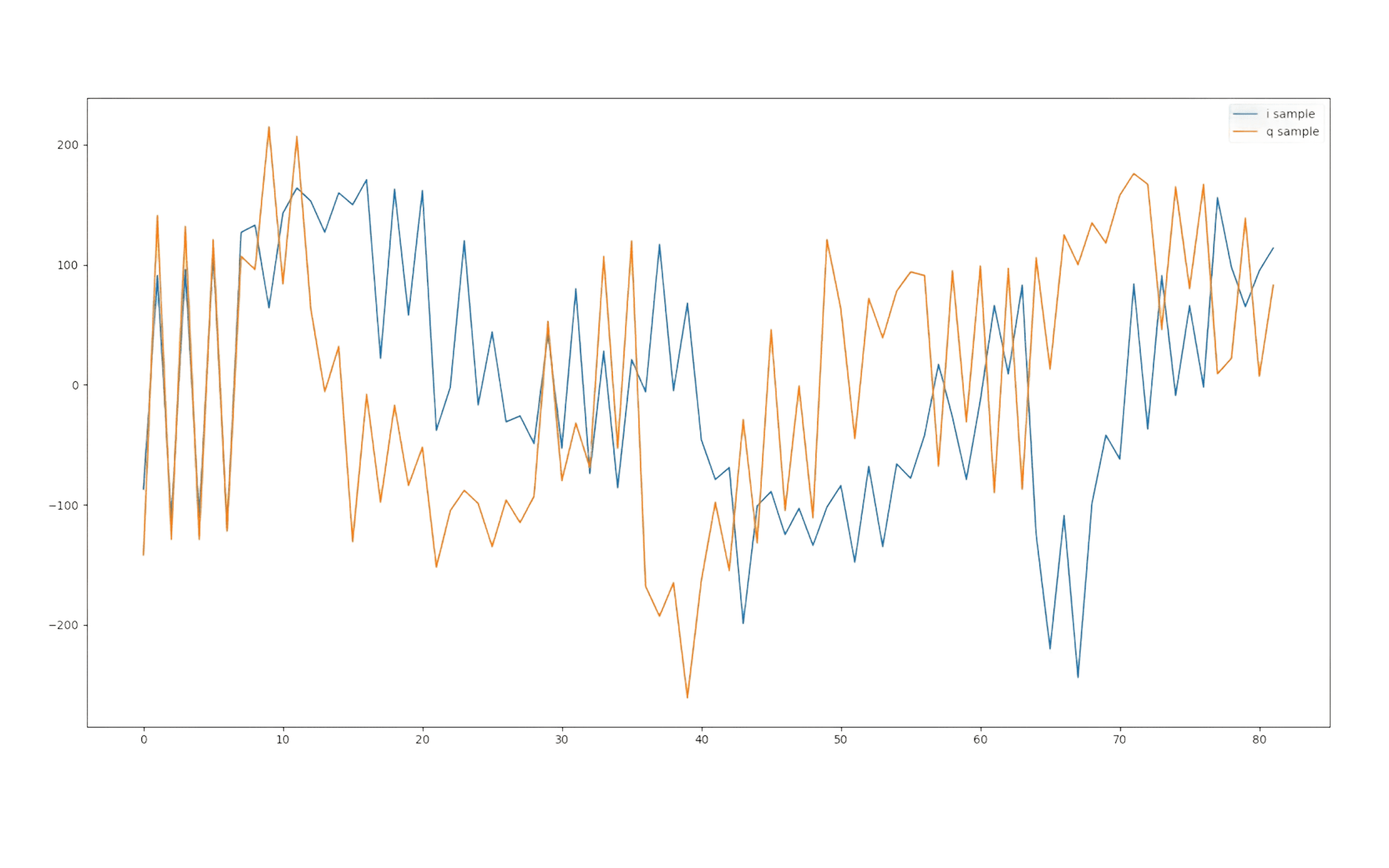
The TwinTracker uses 12 receiving antennas arranged in a circle to sequentially sample the IQ values of the CTE signal. The spacing between antennas is designed at λ/2 intervals optimized for phase difference calculation, and each antenna collects IQ data based on the same CTE interval. This data includes the complex form of the BLE signal (I: In-phase, Q: Quadrature) and serves as the basis for phase information calculation.
Step 3. Distance Calculation and Refinement Based on Signal Quality
Synchronized IQ samples are used to calculate the Azimuth based on the phase difference between antennas. The phase difference changes linearly according to the incident angle of the signal, and by analyzing this, the direction from which the signal arrived can be estimated. ORBRO achieved an azimuth error of within ±2.5° by applying a phase correction algorithm optimized for this calculation.
Step 4. Time-axis Continuity Evaluation and Distance Stabilization
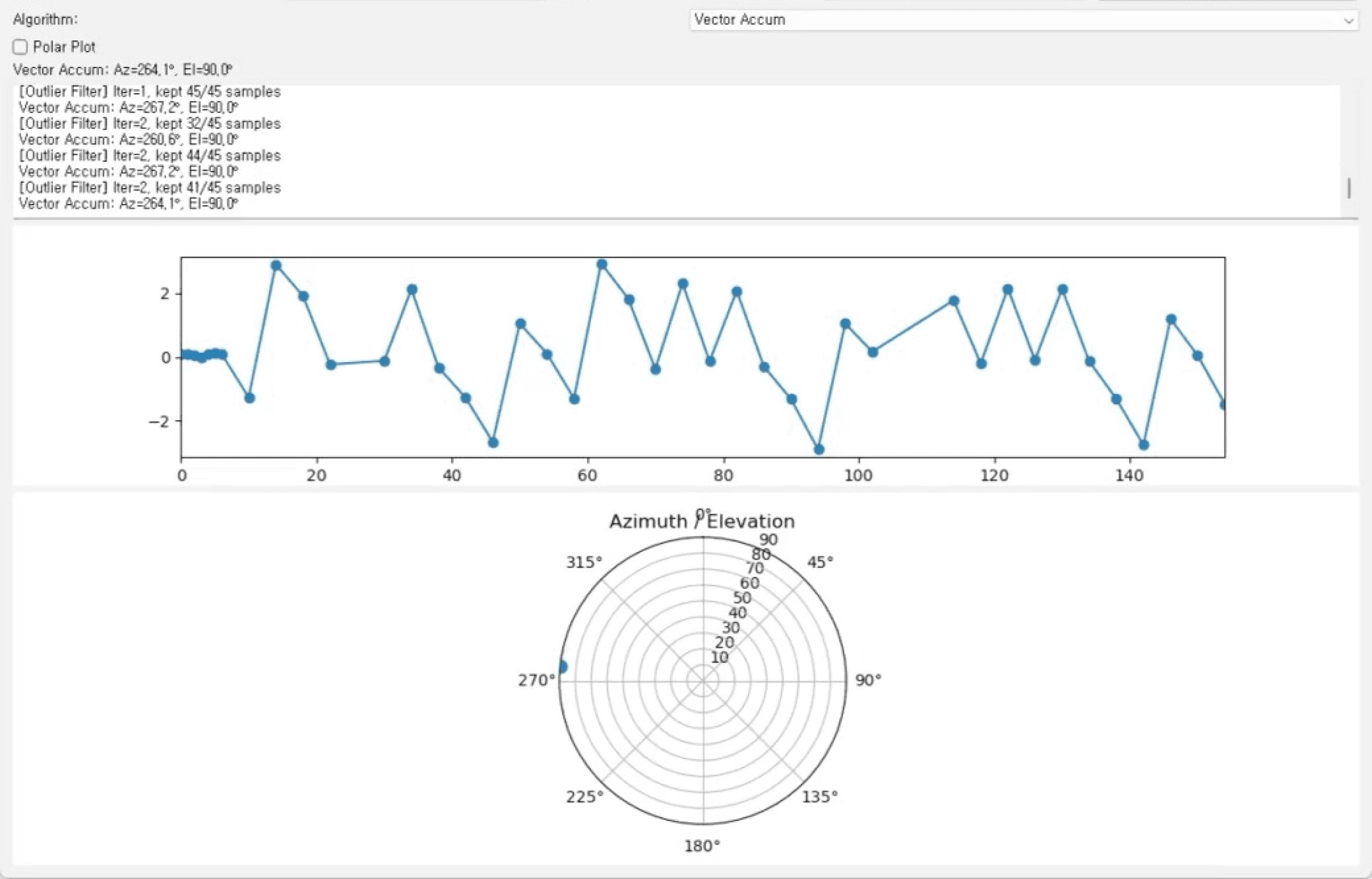
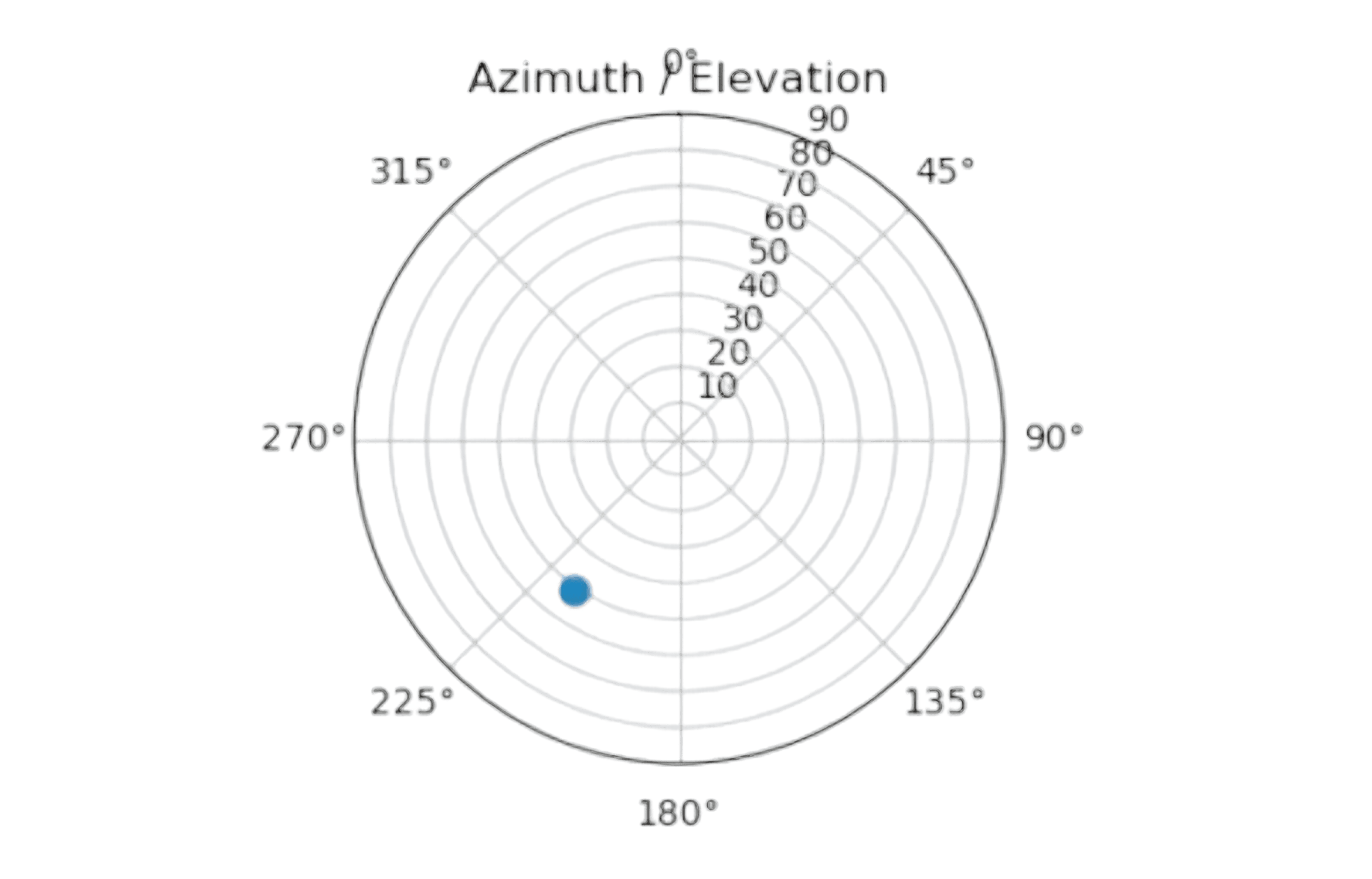
Going beyond simple azimuth calculation, TwinTracker infers the Elevation angle through a vector field algorithm. The 3D IQ distribution collected from the 12 antennas reflects the phase difference in the Z-axis direction, based on which vertical position correction is performed. At this stage, position interpretation in 3D space becomes possible, not just in the horizontal direction.
BLE AoA can be a Practical Solution for Indoor Location Systems
For RTLS technology to be applied in real-world environments, it must simultaneously meet various conditions such as installation ease, cost, and system scalability, in addition to precision. Existing UWB-based high-precision systems offer high accuracy, but they have the disadvantage of requiring special hardware for both terminals and infrastructure, leading to high system deployment costs. On the other hand, the RSSI method is simple to implement but has large errors depending on the environment and is unsuitable for precise coordinate-based operations. BLE AoA is a technology positioned between these two methods. It can be implemented using only general-purpose devices that support BLE 5.1, and high-precision location estimation is possible even with a relatively simple transmission tag structure. Since the tag does not perform special calculations, terminal costs and power consumption are low, and the precision of the entire system can be secured by upgrading only the receiver (anchor). To bring BLE AoA technology to a practically applicable level, ORBRO designed both the hardware and algorithms together. The 12-antenna structure is configured to stably receive the phase difference of BLE signals, and a series of processes—from IQ sampling and time synchronization to vector field calculation and elevation angle inference—are automatically performed within a single system. Furthermore, TwinTracker AoA includes Ethernet and PoE-based communication, serial IQ output, and real-time angle visualization functions, allowing for immediate application in all stages from testing to operation. BLE AoA is still considered a technology with high implementation difficulty and few commercialized cases. However, ORBRO has secured the structure to make this a practical location infrastructure and is developing a high-precision location system that is economically feasible based on general-purpose BLE tags.
ORBRO Solutions Implemented with AoA
Precisely connect real-time location data of assets and personnel with AoA-based RTLS, and check out representative solutions for each site.

Track Workers' Locations in Real-time to Prevent Accidents in Advance
Automatically recognize a worker's current location with tracking technology and send immediate notifications when they enter a danger zone.
Learn More
Optimize Workflow with Real-time Location of Assets Within the Process
Track the movement of workers and assets by process with real-time location information to identify bottlenecks early.
Learn More
A Forklift Location Tracking System That Doesn't Lose Signals Even in Nuclear Power Plants
A location tracking system that operates stably even in structures where all sections are sealed with steel plates and the ceilings are high.
Learn More