Stereo Vision
Location Tracking and Positioning Technology using Stereo Vision
Stereo Vision captures scenes simultaneously with two cameras to analyze disparity and calculate depth information to recognize objects in 3D. This allows for precise estimation of the distance and location of people, vehicles, and assets, supporting stable positioning and real-time location tracking even in field environments.
What is Stereo Vision?
Stereo Vision is a computer vision technology that uses two cameras to capture images and estimate depth information in 3D space. To achieve this, two cameras photograph the same object from different positions, and the captured image pair is used to calculate depth information. This involves calculating the disparity between the two images and using it to estimate depth. This technology is similar to the principle of humans using two eyes to estimate depth information. It allows for the identification of object positions and distances in a 3D environment and is used in various fields such as robotics, autonomous vehicles, video games, and image processing. It provides more accurate and practical results compared to conventional computer vision technologies, playing a crucial role in various applications.
Special Features of RTLS using Stereo Vision
Real-Time Location System (RTLS) using Stereo Vision is a system that analyzes visual information collected through two cameras to track and monitor the location of objects or people in real-time. Stereo Vision enables highly accurate location inference, ensuring high precision and reliability. Furthermore, because location information can be updated in real-time, it provides critical data for logistics, manufacturing, and construction. Additionally, Stereo Vision-based RTLS does not use tags, eliminating the need to purchase and maintain additional tags or signal-generating equipment for targets. This reduces system configuration and maintenance costs, making it cost-efficient. Furthermore, the high accuracy and reliability of target tracking combine cost-effectiveness with superior system performance. Therefore, Stereo Vision-based RTLS is a highly useful technology that simultaneously achieves cost reduction and performance enhancement.
How does positioning using Stereo Vision work?
Depth Estimation
To track the location of objects, we use two images taken from different perspectives to infer depth information. This is similar to how humans perceive depth using two eyes. We utilize Deep Learning technology to recognize depth more accurately than traditional computer vision techniques.
Coordinate Calculation
By utilizing computer vision technology to perform object recognition, distance estimation, and angle calculation, the location information of an object can be computed. This enables various applications such as real-time tracking or determining positions.
Core Technologies of ORBRO's Stereo Vision-based RTLS
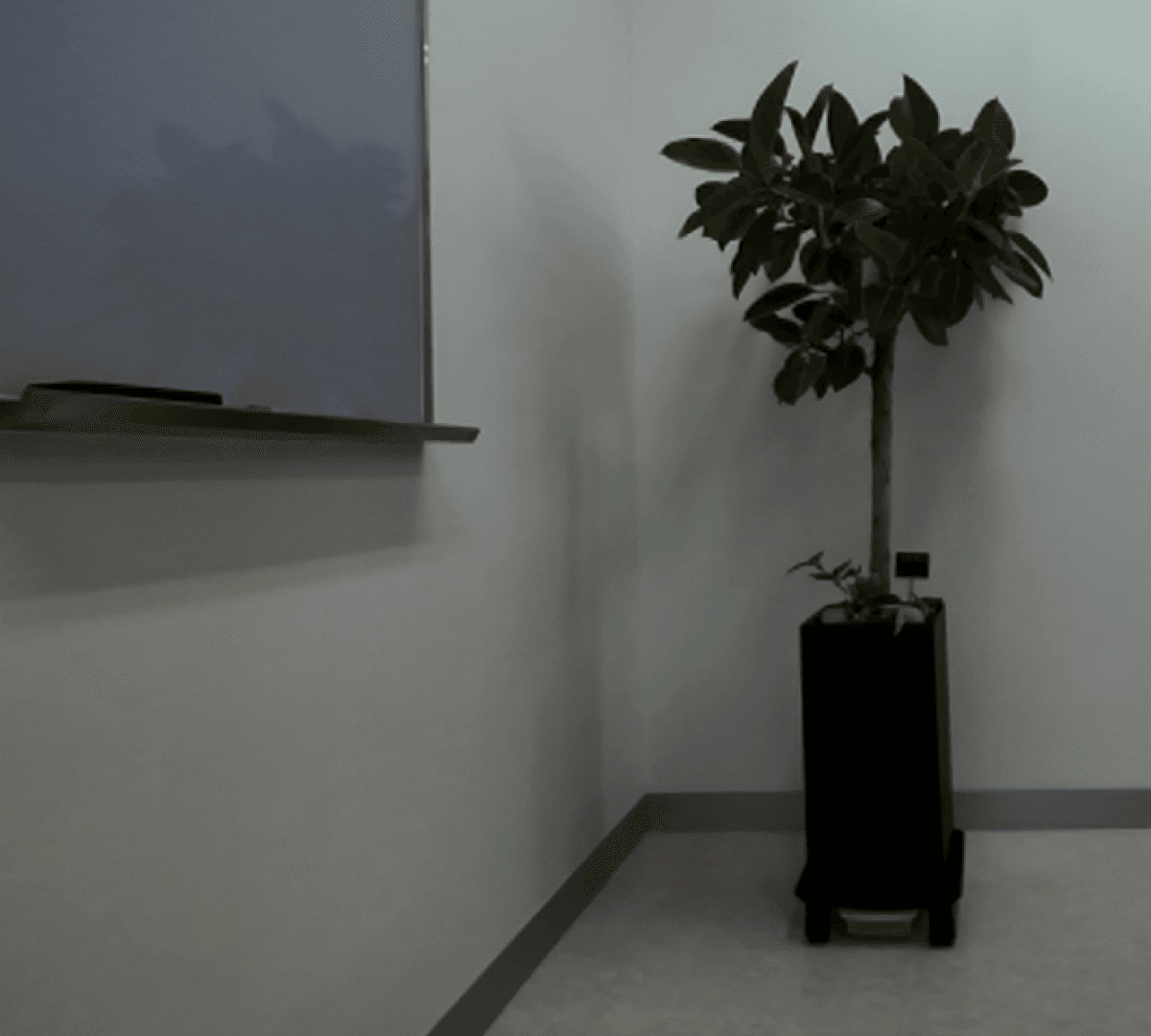
Inference Background

Original
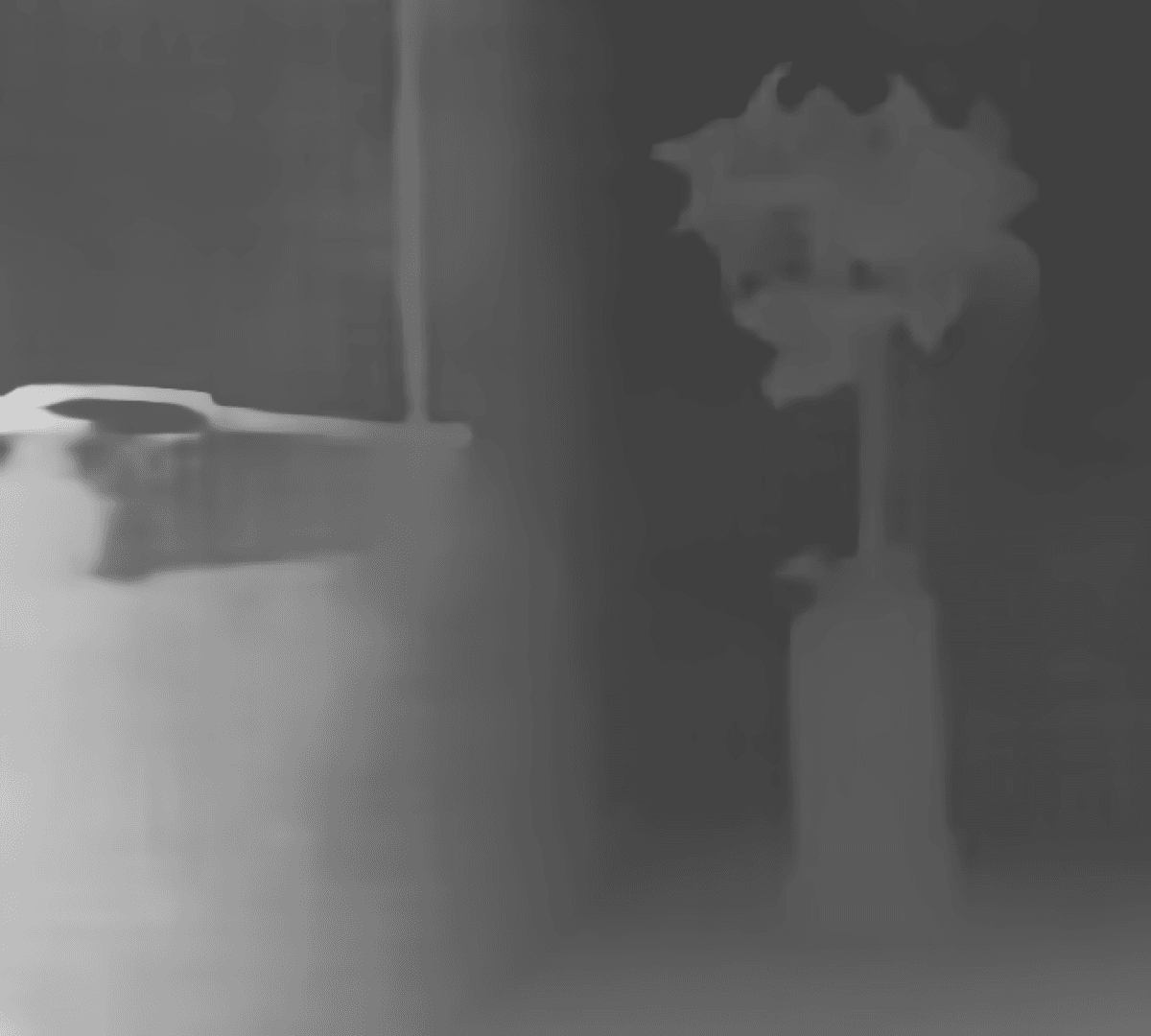
Encoding

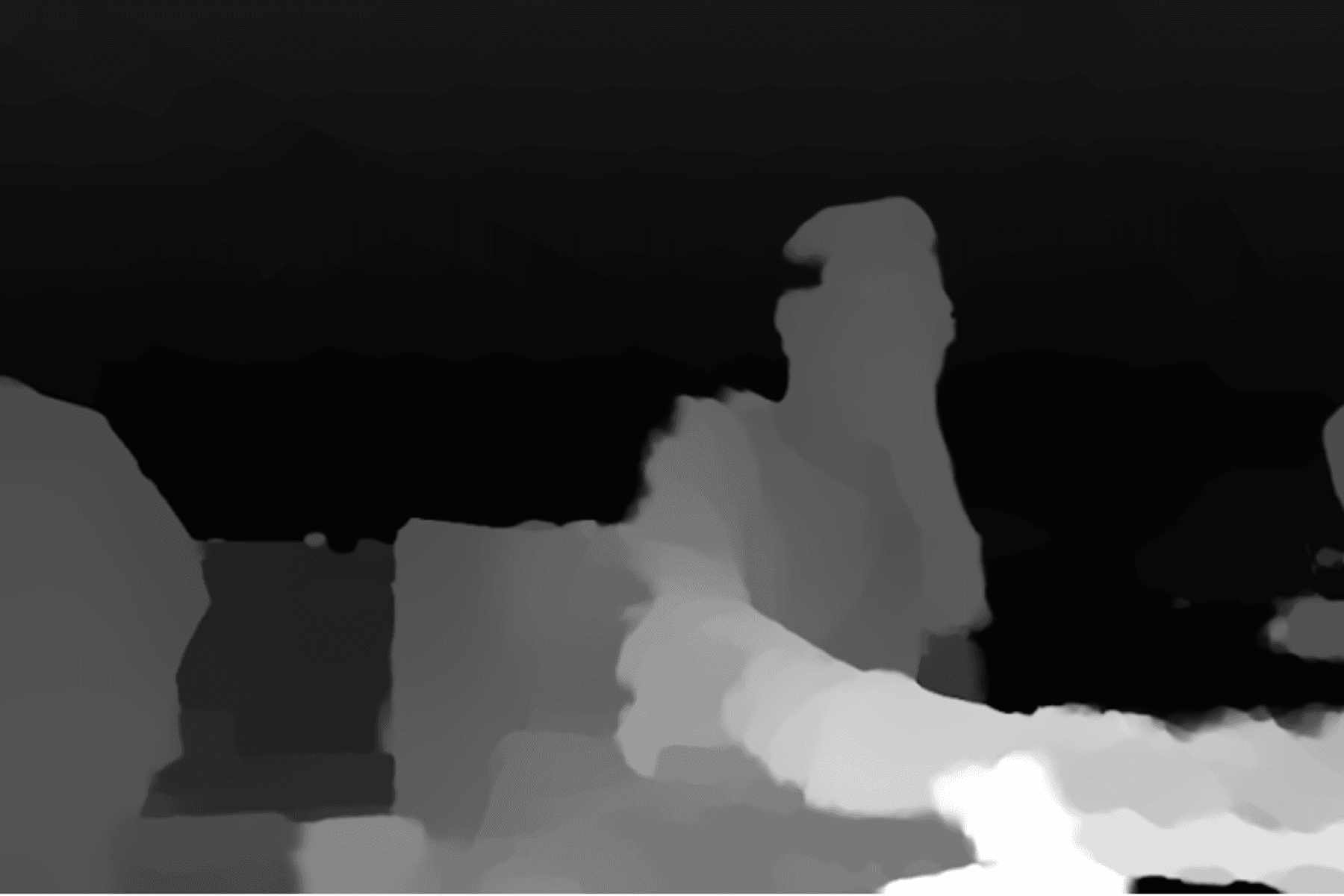
Competitor Depth Map using Computer Vision
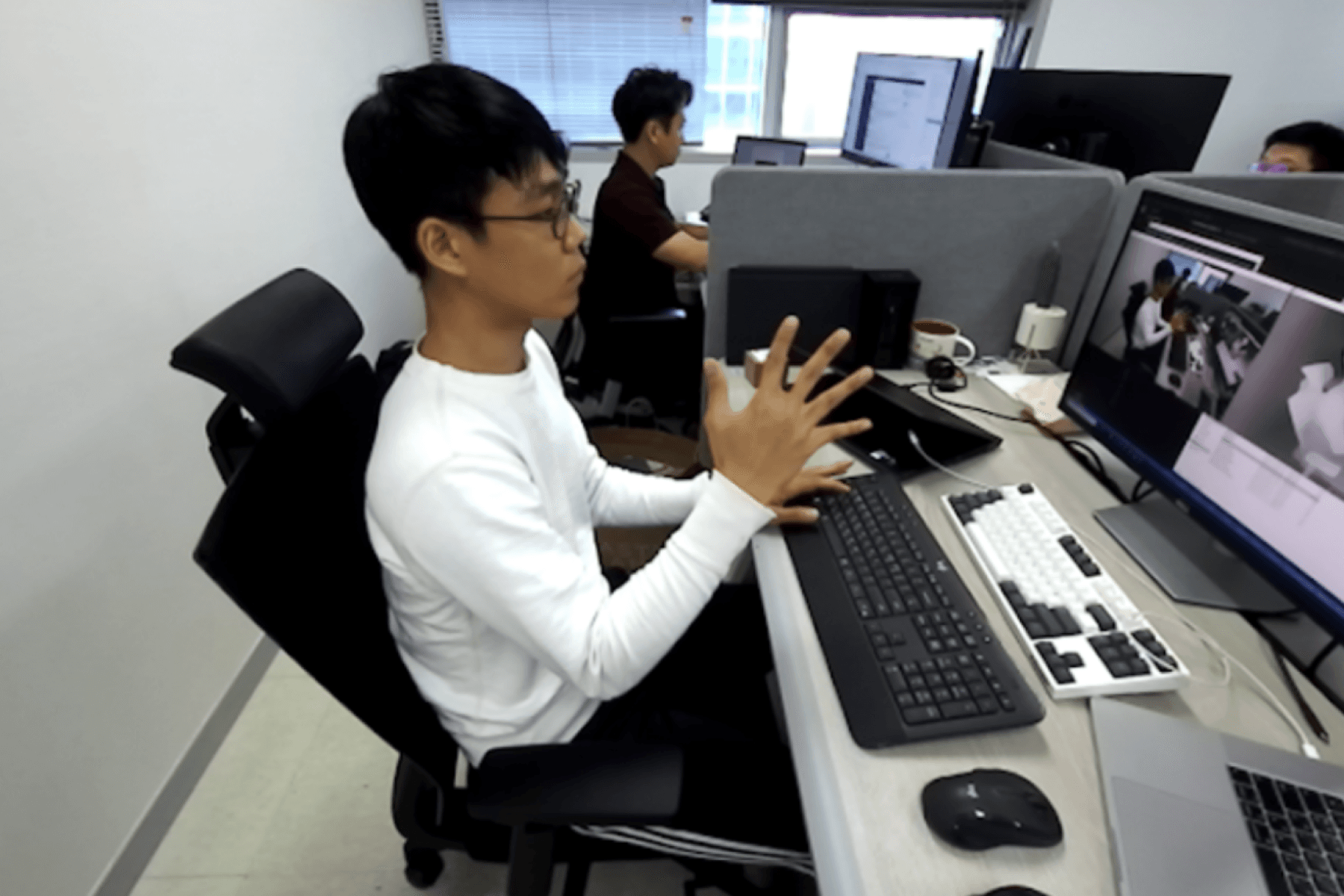
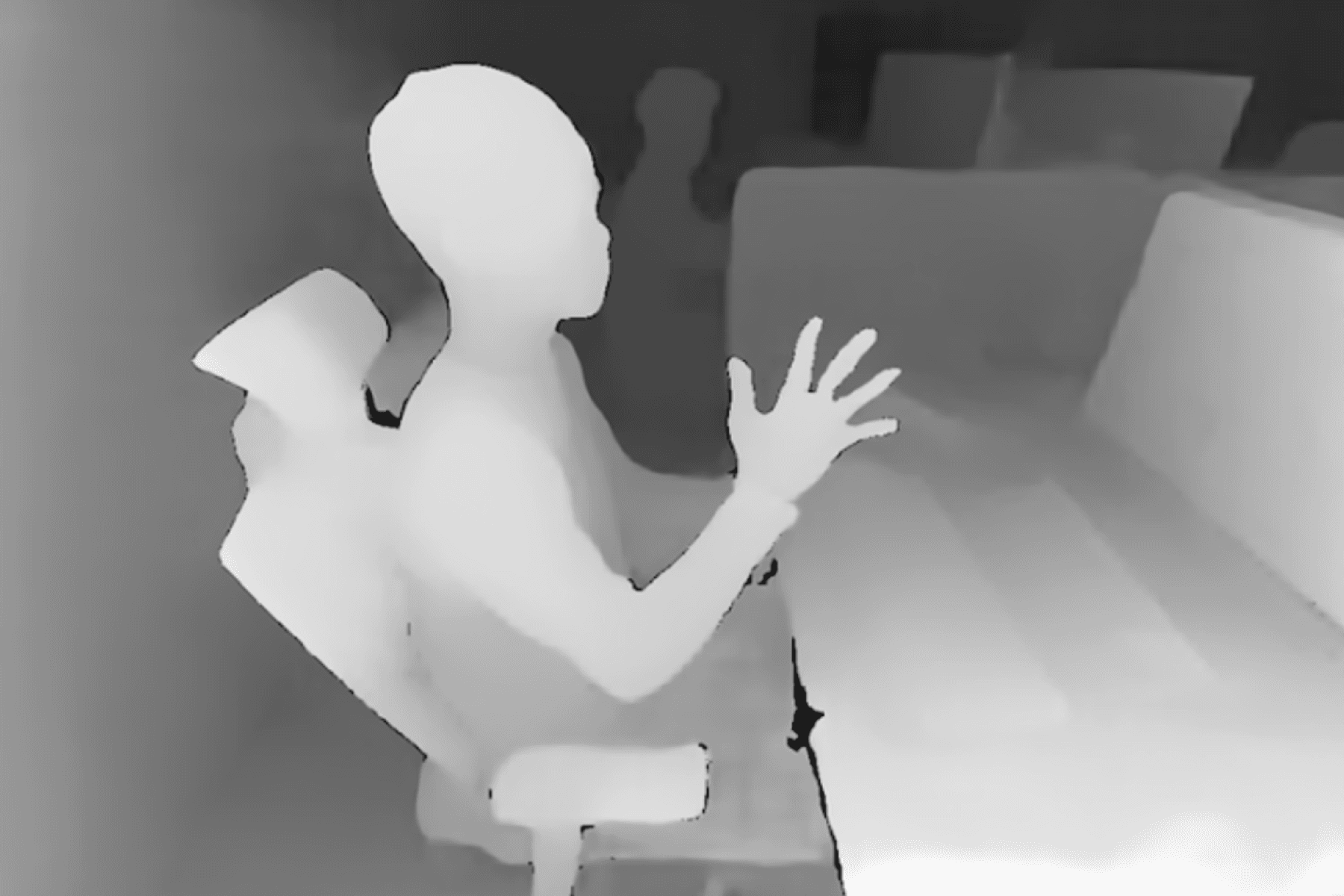
ORBRO Depth Map using Deep Learning
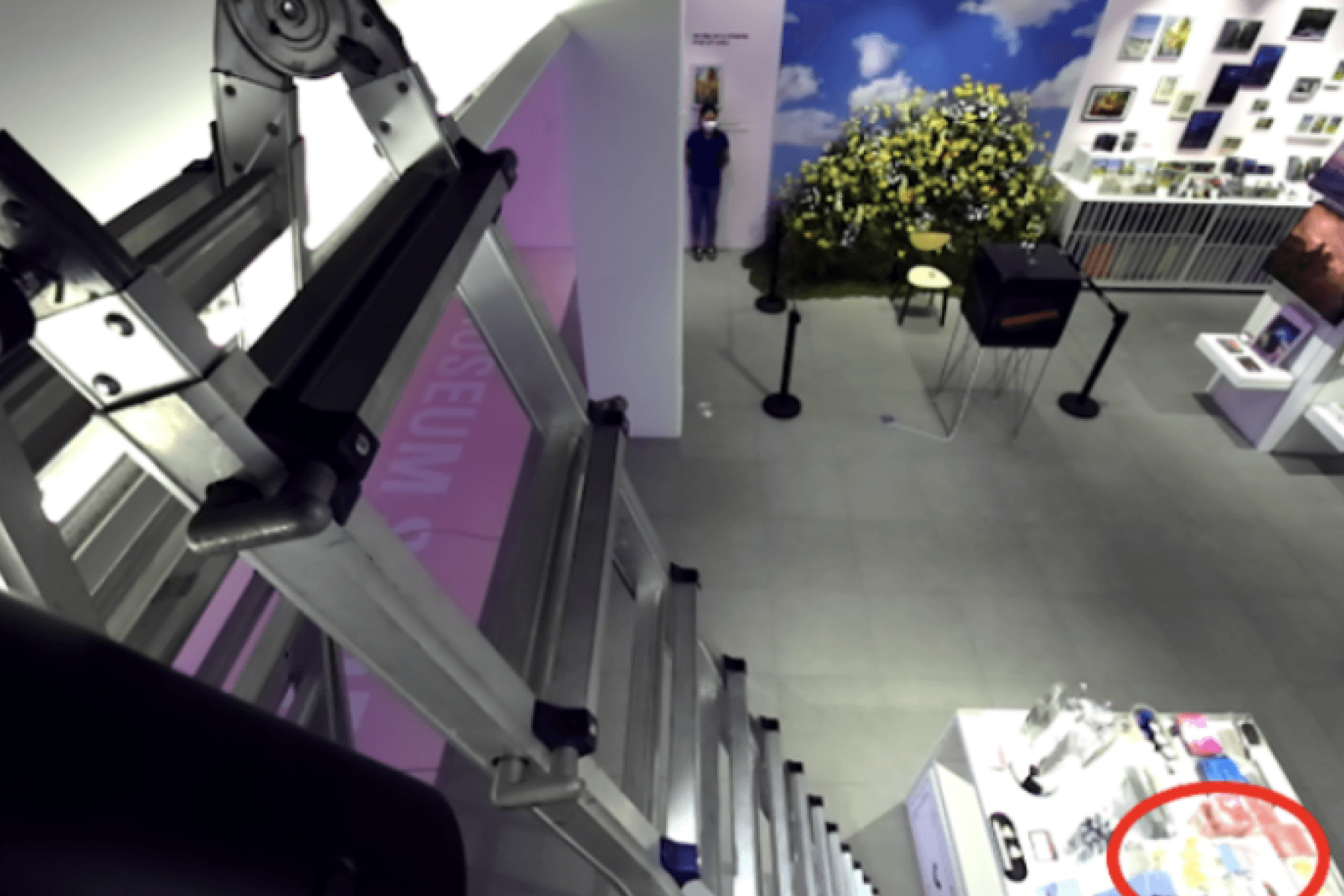
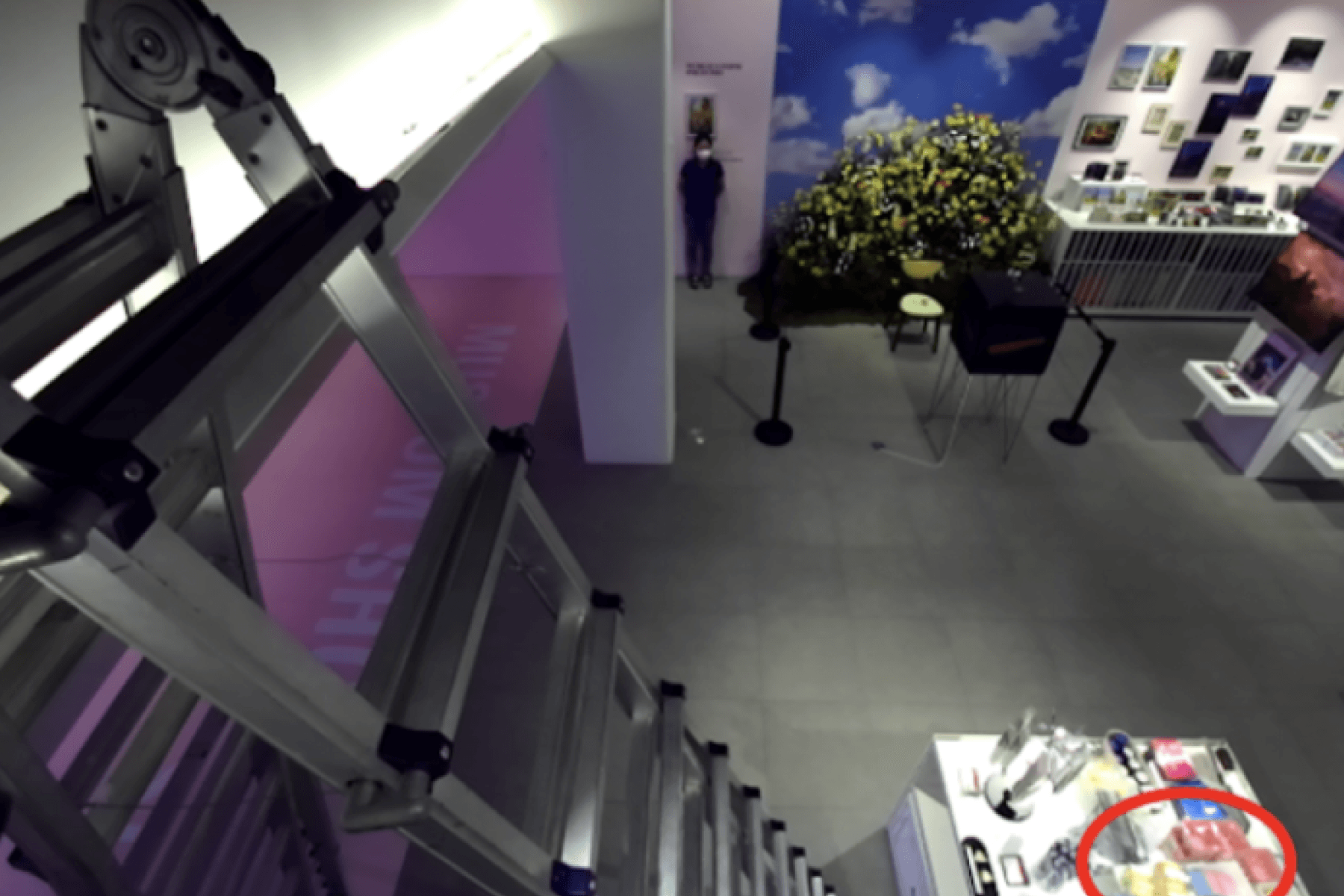
Differences in characteristics between left/right stereo images caused by direct lighting exposure

(a)

(b)

(c)

(d)
Distortion patterns by wide-angle lenses and individual deviations between Camera A and B (Green: 2.7m, Purple: 6.3m, Red: 8.8m)
Key Advantages of Stereo Vision
Accurate Location Estimation
Using stereo cameras allows for the simultaneous acquisition of two images to accurately identify the location of objects in 3D space. This enables precise estimation of object position and movement.
Scalability
Stereo vision technology is not constrained by space size and can be applied in various scales and types of indoor and outdoor environments. Additionally, RTLS systems based on stereo cameras can expand functionality through additional sensors as needed.
Cost-Effectiveness
Stereo vision technology is relatively inexpensive compared to other location estimation technologies. Furthermore, RTLS systems can be built using existing stereo cameras, reducing installation costs.
ORBRO Solutions Powered by Stereo Vision
Precisely connect real-time location data of assets and personnel with Stereo Vision-based RTLS, and explore representative solutions for each site.
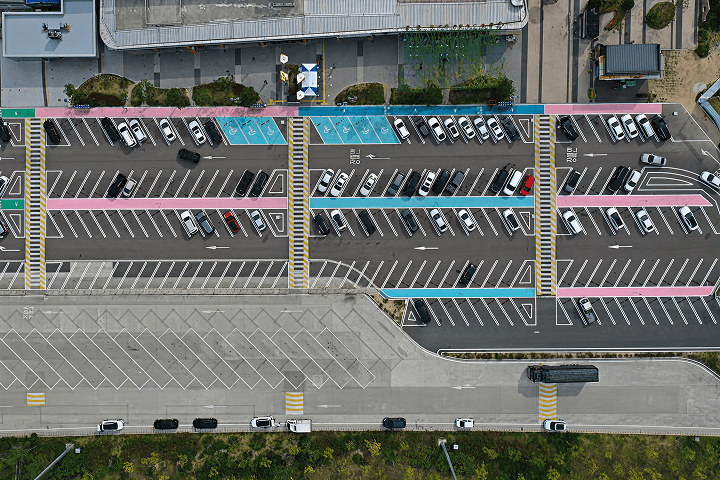
Manage vehicle flow in parking lots in real-time to reduce congestion
Utilize AI technology optimized for parking lots to identify vehicle locations and space efficiency in real-time and adjust parking flow.
Learn More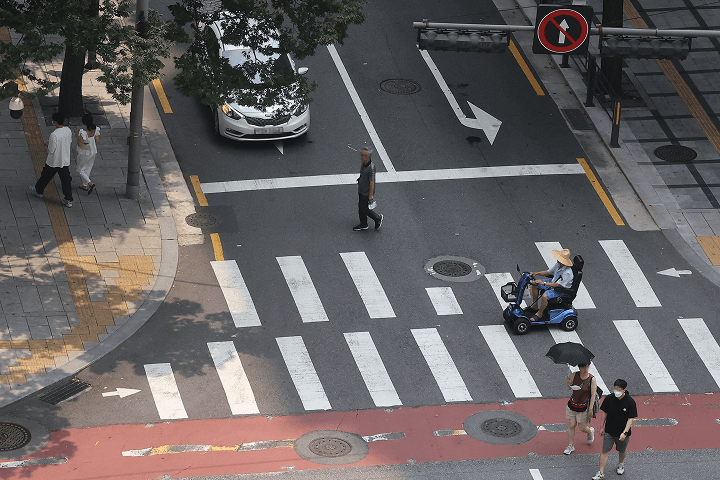
Detect pedestrian movement in real-time to prevent intersection accidents
Identify pedestrians around crosswalks with AI-based detection technology and automatically warn vehicles of dangerous situations.
Learn More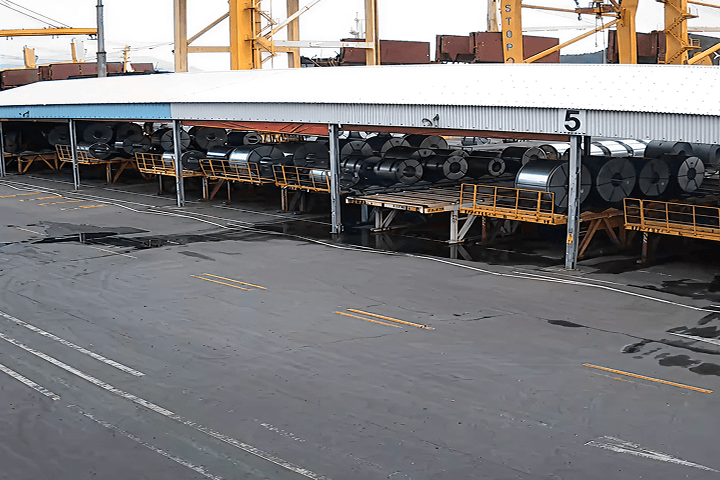
Automatically count steel asset inventory and analyze flow
Automatically record hourly inventory of coils and plates with AI and visually analyze asset flow.
Learn More
Detect dangerous behavior in real-time to respond immediately to school safety
Detect signs of student violence or falls in real-time through AI video analysis and send immediate notifications to administrators.
Learn More