Smart office, RTLS, Office asset management, IoT office sensors
2025-06-20
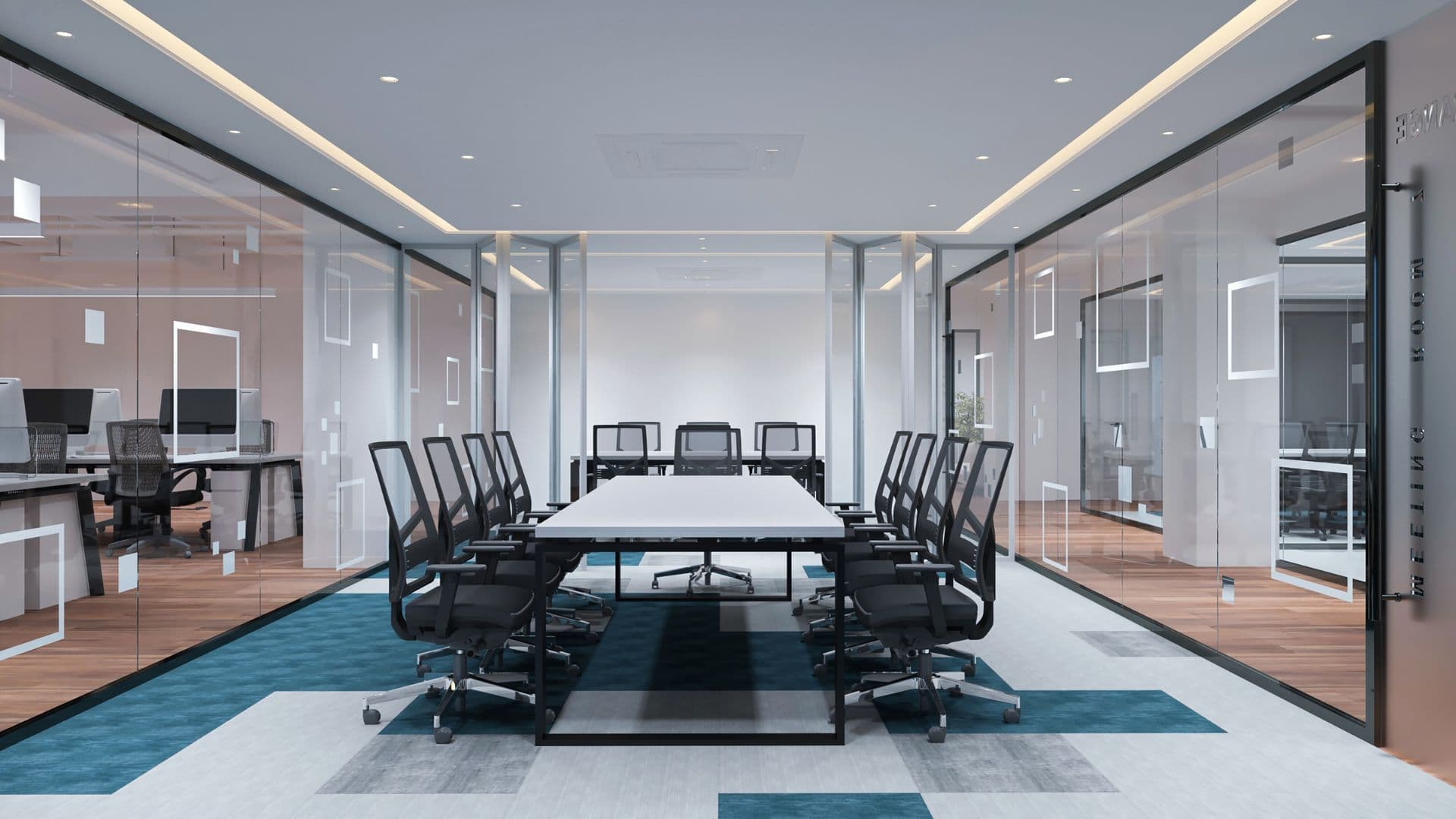
In the era of Industry 4.0, workplaces are rapidly transforming to meet the evolving needs of both businesses and employees. The Smart Office emerges as a groundbreaking solution, offering convenience, efficiency, and sustainability. But what exactly is a Smart Office, how does it work, and what benefits does it bring? This article will walk you through all aspects of the Smart Office from its definition and core technologies to practical applications.
1. What Is a Smart Office?
A Smart Office is a workspace enhanced with advanced technologies such as the Internet of Things (IoT), Artificial Intelligence (AI), Big Data, automation, and Real-Time Location Systems (RTLS). Its goal is to optimize operations, improve the employee experience, and reduce operational costs all while creating a flexible, eco-friendly environment.
A Smart Office is more than just a workplace, it is a connected technology ecosystem where lighting, air conditioning, desks, and office assets communicate and work in harmony to deliver a personalized and efficient user experience.
2. How Does a Smart Office Work?
To better understand how a Smart Office operates, let’s explore its key components:
Data Collection: IoT sensors and RTLS collect environmental data (temperature, light, humidity) and behavioral data (space utilization, asset and personnel locations).
Intelligent Analysis: AI and management software process the data to make optimized decisions, such as adjusting lighting or suggesting available meeting rooms.
Automation: Devices like lights, air conditioners, and blinds operate automatically based on real-time data, offering convenience and energy savings.
User Interaction: Employees can manage their workspace via mobile apps from reserving desks to locating equipment.
Example: As you enter a meeting room in a Smart Office, motion sensors turn on the lights, the air conditioner adjusts to your preferred temperature, and the RTLS confirms that the projector is ready.
3. Core Technologies Behind Smart Office
Smart Offices are built on several key technologies, each playing a vital role:
3.1. Smart Sensors (IoT Sensors)
Function: Monitor light, temperature, motion, or humidity to create optimal working environments.
Example: A light sensor dims office lights when natural sunlight is sufficient, reducing energy usage.
3.2. Real-Time Location Systems (RTLS)
Function: Use RFID, Bluetooth Low Energy (BLE), or Wi-Fi to track the real-time location of assets and personnel.
Applications:
Asset Management: Track items like laptops, printers, and projectors to prevent loss and optimize use.
Personnel Tracking: Monitor employee locations to improve space allocation and workflow.
Space Optimization: Analyze usage of meeting rooms and desks to reduce space waste.
Security: Detect unauthorized access to restricted areas and send immediate alerts.
3.3. Building Management System (BMS)
Function: Centralized control of electricity, water, HVAC, and security.
Example: BMS turns off air conditioning in unused zones, cutting operational costs.
3.4. Artificial Intelligence and Big Data
Function: AI predicts space demand, while Big Data helps optimize resource allocation.
Example: AI recommends meeting room bookings based on employees' past habits.
3.5. Smart Office Equipment
Function: Height-adjustable desks, ergonomic chairs, and smart conferencing tools.
Example: A smart desk reminds employees to stand up after sitting too long, promoting health.
4. Benefits of a Smart Office
Smart Offices deliver exceptional value to businesses and employees, addressing the needs of modern work:
4.1. Boosted Productivity
An optimized environment with appropriate lighting and temperature keeps employees focused and efficient.
Example: Smart lighting adjusts brightness throughout the day to enhance alertness.
4.2. Lower Operating Costs
Automation and RTLS reduce energy consumption and improve space efficiency, cutting utility and maintenance costs.
Example: One Smart Office saved 25% on electricity bills through smart sensors and RTLS.
4.3. Improved Employee Experience
Employees can personalize their workspace from lighting to temperature improving comfort and satisfaction.
Example: A Smart Office app lets staff reserve desks before arriving at the office.
4.4. Enhanced Security and Asset Protection
RTLS and sensors safeguard assets, monitor sensitive areas, and reduce the risk of loss or intrusion.
Example: RTLS detects unauthorized access to a data room and immediately triggers an alert.
4.5. Support for Hybrid Work Models
Smart Offices are ideal for flexible work arrangements, helping manage space usage as employees rotate shifts.
Example: RTLS tracks meeting room usage and optimizes room reservations.
4.6. Environmental Sustainability
Smart energy and resource management reduce environmental impact and support sustainability goals.
Example: A Smart Office cut its carbon emissions by 20% through intelligent energy control.
5. Real-World Smart Office Applications
Smart Offices have been successfully implemented worldwide, delivering strong results across industries:
Tech Corporations: Use RTLS for equipment tracking, reducing asset loss by 15% and improving space utilization.
Creative Startups: Combine smart desks and IoT sensors to build dynamic environments that attract talent.
Commercial Buildings: Integrate BMS and RTLS for energy efficiency and higher real estate value.
Financial Institutions: A bank implemented Smart Office solutions with RTLS, raising employee satisfaction by 20%.
6. How to Build a Smart Office
To implement a Smart Office, businesses can follow these steps:
Define Objectives: Set clear priorities such as energy savings, better employee experience, or asset tracking.
Choose Technologies: Select RTLS, IoT sensors, BMS, or smart equipment based on your goals and budget.
Integrate Systems: Ensure all technologies work seamlessly with your existing infrastructure.
Train Employees: Educate staff on how to use the system for maximum effectiveness.
Measure and Improve: Use data from RTLS and sensors to monitor and continuously upgrade performance.
7. The Future of Smart Offices
Powered by RTLS and advanced technologies, Smart Offices are not just a trend, they are a strategic solution for adapting to the modern work environment. From productivity and cost savings to smarter asset and workforce management, Smart Offices are shaping the future of global workspaces.
Are you ready to transform your office into a Smart Office? Start exploring smart technologies today to lead the way in the era of intelligent work.Recommended Blogs
Your Factory Layout Changed. Did Your RTLS Map?
2026-10-06

Contractor Safety Management, How to Record When Contract Workers Arrived and Where They Worked
2026-10-02
Fixed Asset Physical Inventory, Starting with the Undetected List Instead of the Whole Register
2026-10-01

Two-Person Rule, How to Verify the Pair Stayed Together Until the Job Was Done
2026-09-30