What Is a Surveillance Camera? Types and Applications
2025-06-21
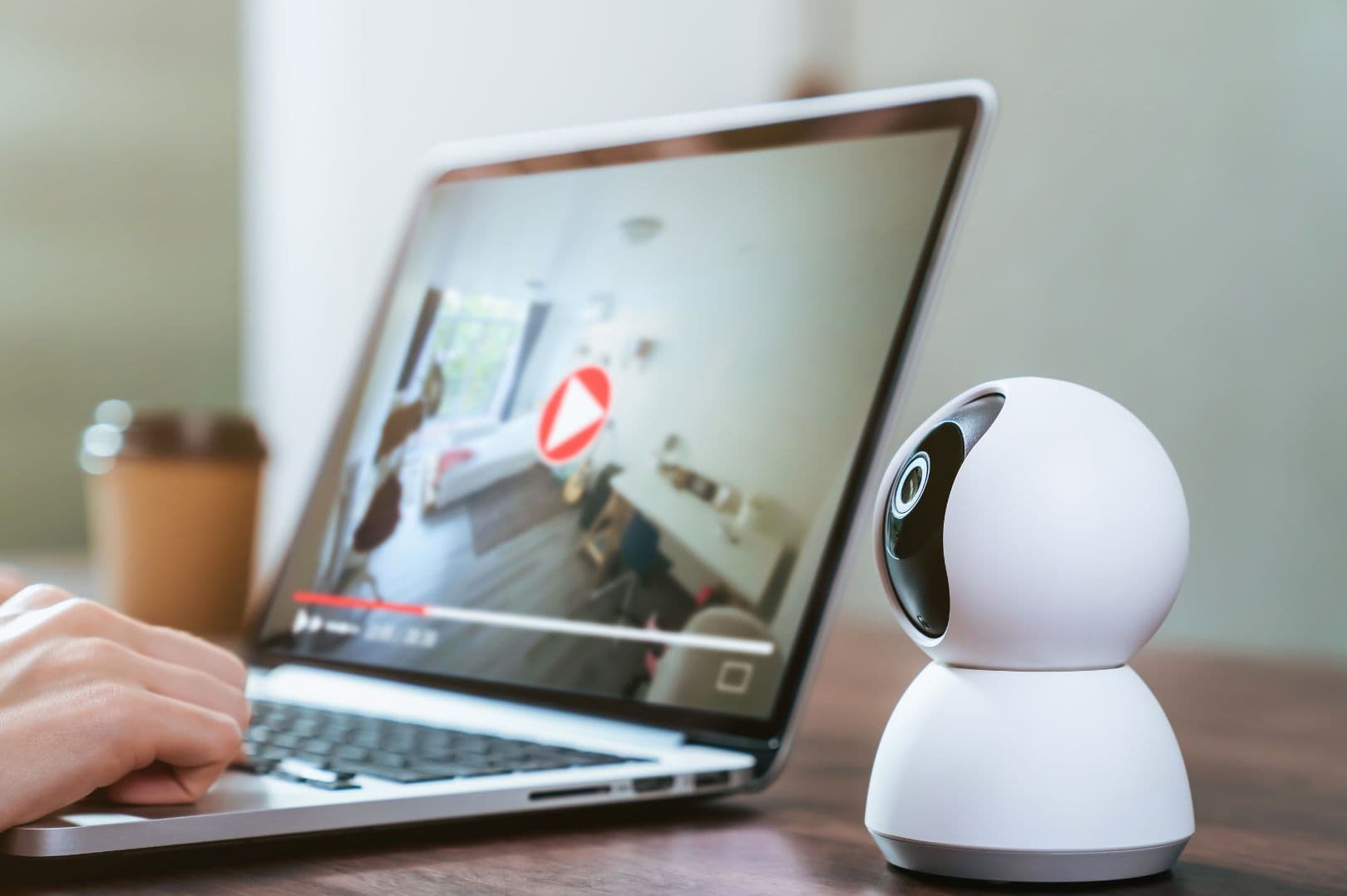
Have you ever wondered how to keep your home, office, or shop secure without having to personally watch over it every moment? The answer is surveillance cameras, the tech companion that’s transforming how we protect and manage spaces. Surveillance cameras have become indispensable for security, efficient management, and operational optimization across many fields. So, what exactly is a surveillance camera? What common types are there, and how are they used in everyday life? Let’s explore in detail.
1. What Is a Surveillance Camera?
A surveillance camera is an electronic device designed to capture video and sometimes audio of a specific area for security monitoring or activity management. Cameras can operate standalone or integrate into larger systems, allowing users to view live or recorded footage on smartphones, computers, or central monitors.
Today’s surveillance cameras do far more than record video. With built‑in Artificial Intelligence (AI), IoT connectivity, and cloud support, they can analyze behavior, recognize faces, and send instant alerts when incidents occur.
Example: A parking‑lot camera can recognize an unfamiliar license plate and immediately notify you via your phone.
2. How Do Surveillance Cameras Work?
Surveillance cameras act like intelligent assistants, operating in three main stages:
Data capture: The camera collects video and audio through its lens and sensor.
Processing and storage: The feed is encrypted and saved to a memory card, local hard drive, DVR/NVR, or the cloud.
Transmission: Video is streamed to user devices via wired (coaxial/Ethernet) or wireless (Wi‑Fi/4G) connections.
Many modern cameras also embed smart analytics motion detection, face recognition, or people counting to enhance monitoring efficiency and reduce manual oversight.
3. Common Types of Surveillance Cameras
Surveillance cameras come in various forms to meet diverse needs, from home use to enterprise deployments. Below are the most popular categories:
Analog Cameras
Characteristics: Send video over coaxial cable to a DVR.
Pros: Low cost, easy installation, suitable for small systems.
Cons: Limited resolution (usually below HD), few smart features.
Applications: Homes, small retail shops, compact parking areas.
IP Cameras (Network Cameras)
Characteristics: Transmit digital video over IP networks; support HD, Full HD, and 4K.
Pros: High-definition images, AI analytics (face recognition, behavior analysis), remote viewing.
Cons: Higher cost, requires stable network bandwidth.
Applications: Offices, factories, malls, industrial facilities.
Wireless (Wi‑Fi) Cameras
Characteristics: Connect via Wi‑Fi; often controlled through a mobile app.
Pros: Flexible placement, quick setup, portable.
Cons: Reliant on Wi‑Fi strength, prone to dropouts if signal is weak.
Applications: Homes, small offices, temporary sites.
PTZ Cameras (Pan‑Tilt‑Zoom)
Characteristics: Remotely adjustable horizontal/vertical rotation and zoom.
Pros: Cover large areas, highly flexible.
Cons: Expensive, requires regular maintenance.
Applications: Airports, seaports, large warehouses, public spaces.
Thermal Cameras
Characteristics: Use infrared to detect temperature differences; perform in darkness or harsh weather.
Pros: Effective in low‑light environments; detect living beings or hot machinery.
Cons: Low image detail, high cost.
Applications: Defense, rescue operations, monitoring high‑heat industrial areas.
360° Cameras
Characteristics: Provide panoramic 360° coverage, eliminating blind spots.
Pros: Single‑unit monitoring for entire spaces.
Cons: Requires specialized software for image processing.
Applications: Auditoriums, large retail stores, shopping centers.
4. Benefits of Surveillance Cameras
Deploying surveillance cameras offers numerous advantages, from bolstering security to optimizing workflows:
Enhanced Security: Deter intrusion, theft, or vandalism with continuous monitoring.
Example: An entrance camera triggers an alarm when it detects an unauthorized individual.Efficient Management: Track employee, customer, or operational flows to boost productivity.
Example: In a factory, cameras identify bottlenecks on the production line.Evidence Gathering: Store video records for incidents like accidents, disputes, or violations.
Example: Footage from a traffic‑scene camera resolves liability in a collision.Cost Savings: Reduce or replace security personnel expenses over time.
Example: A shop replaces overnight guards with cameras, cutting operating costs.Improved Customer Experience: Analyze customer movements to refine service layouts.
Example: A mall uses foot‑traffic data to optimize product displays.
5. Real-World Applications of Surveillance Cameras
Surveillance cameras are everywhere from private residences to large industries. Key use cases include:
Home Security: Safeguard homes, yards, and driveways; monitor children or elderly relatives.
Example: A family installs a wireless camera to check the gate remotely.Business & Office: Monitor staff, visitors, and assets to maintain security and efficiency.
Example: A tech firm installs IP cameras to protect sensitive equipment.Industrial & Manufacturing: Oversee production lines, warehouses, and machinery to detect issues.
Example: A factory uses PTZ cameras to supervise broad manufacturing zones.Transportation: Monitor traffic, enforce regulations, or oversee public transit.
Example: Highway cameras record vehicle speeds for ticketing violations.Healthcare: Monitor patients, isolation areas, and medical equipment for safety compliance.
Example: A hospital uses cameras in the ICU for remote clinician support.Education: Secure campus areas and classrooms to protect students.
Example: A university deploys 360° cameras to survey a central courtyard.Retail & Service: Observe shopper behavior, deter shoplifting, and enhance store layouts.
Example: A supermarket employs AI‑enabled cameras to count visitors and manage peak times.Public Safety: Oversee parks, stations, or airports to maintain order and security.
Example: Thermal cameras in a port detect unusual objects at night.
6. How to Choose the Right Surveillance Camera
To maximize value, select cameras that fit your specific needs:
Define Purpose: Home, office, or industrial? Each environment demands different features.
Resolution: Opt for at least Full HD to ensure clear images for face or license‑plate recognition.
Smart Functions: Look for motion detection, face recognition, and cloud connectivity.
Durability: Outdoor installations require weatherproof (IP‑rated) and dust‑resistant models.
Budget: Balance between cost‑effective analog or wireless options and premium IP, PTZ, or thermal cameras.
Tip: For a small shop, a Wi‑Fi camera offers a compact, affordable solution.
7. Conclusion
Surveillance cameras are more than just watchful eyes; they are powerful management tools for homes, offices, factories, and public spaces. With options ranging from analog and IP to wireless, PTZ, thermal, and 360°, you can find the perfect device to meet your security and operational needs.
Explore and install surveillance cameras today to gain peace of mind, streamline operations, and keep everything under control!Recommended Blogs

Contractor Safety Management, How to Record When Contract Workers Arrived and Where They Worked
2026-10-02
Fixed Asset Physical Inventory, Starting with the Undetected List Instead of the Whole Register
2026-10-01

Two-Person Rule, How to Verify the Pair Stayed Together Until the Job Was Done
2026-09-30

Material Handling Cart Tracking, Four Numbers to Check Before Buying More Carts
2026-09-29