What Is Digital Twin? Real-World Applications
2025-07-07
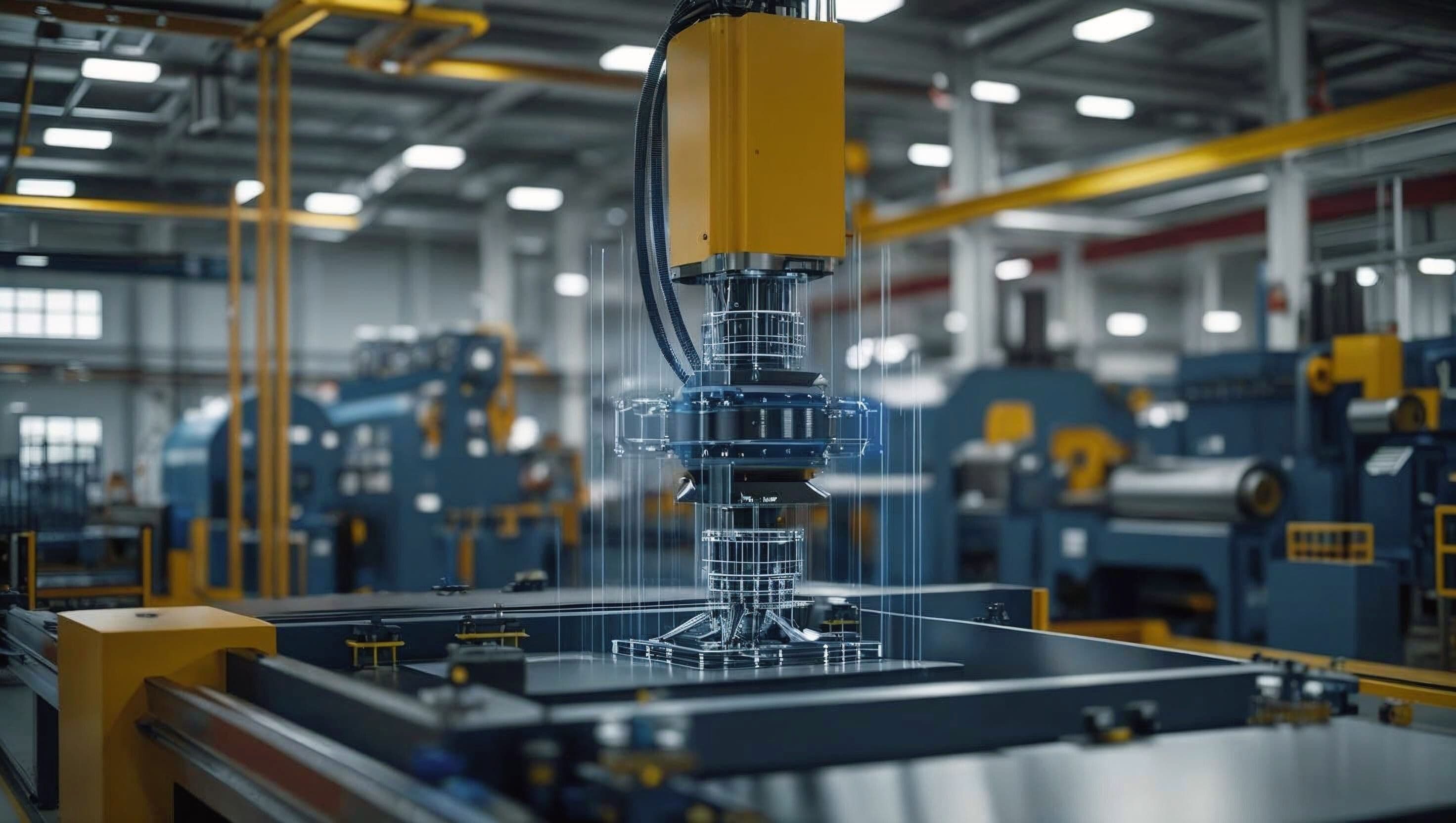
Have you ever imagined having a digital replica of yourself, a vehicle, or even an entire city? It’s not sci-fi, that's exactly what Digital Twin technology delivers. Digital Twin is a virtual model of a physical object, system, or process, transforming how we manage and interact with the real world. In this article, we’ll explain what Digital Twin is and explore its practical uses.
1. What Is Digital Twin?
Digital Twin is a virtual counterpart of a physical entity whether a machine, building, or human body created by collecting real-time data from sensors, IoT devices, and other sources. This data feeds and updates the virtual model so it mirrors the real object’s behavior and condition.
In essence, Digital Twin is your technical “double,” enabling you to observe, test, and improve the physical asset remotely. It replicates not only the object’s shape but also its functionality, performance, and interactions.
Example: A car’s Digital Twin can simulate its driving performance, detect early mechanical faults, and recommend maintenance without bringing the vehicle into the garage.
2. How Does Digital Twin Work?
Digital Twins operate through four core steps:
Data Collection: Sensors on the physical asset (machines, buildings, or human bodies) record metrics such as status, temperature, and pressure.
Processing & Synchronization: That data flows into the digital platform, updating the virtual model in real time.
Simulation & Analysis: The Digital Twin runs “what-if” scenarios, predicts failures, or optimizes performance.
Feedback & Adjustment: Insights from the simulation feed back into the physical system to improve operation or prevent issues.
This closed loop reduces costs, boosts efficiency, and extends the asset’s lifespan.
Example: In a factory, a production line’s Digital Twin identifies bottlenecks and suggests optimizations without halting the real assembly process.
3. Common Types of Digital Twins
Digital Twins can be categorized by their focus and use case:
3.1. Product Digital Twin
Scope: A specific product (car, aircraft, or medical device).
Use: Monitor condition, predict maintenance needs, and refine design.
3.2. Process Digital Twin
Scope: A particular operation or workflow (assembly line).
Use: Optimize throughput, reduce waste, and increase productivity.
3.3. System Digital Twin
Scope: A large-scale system (power grid, transportation network, or city).
Use: Manage resources, forecast demand, and respond to disruptions.
4. Real-World Applications of Digital Twins
Digital Twins are no longer futuristic they’re powering innovations across industries:
4.1. Industry & Manufacturing
Monitor and optimize machinery and production lines to minimize downtime and maintenance costs.
Example: An automobile plant simulates its assembly process, catching defects early and improving yield.
4.2. Healthcare
Create patient-specific Digital Twins for surgical planning and treatment simulation.
Example: Surgeons use a cardiac Digital Twin to plan a heart procedure with greater precision.
4.3. Smart City Management
Model entire urban areas to optimize traffic flow, energy use, and public services.
Example: A city’s Digital Twin adjusts traffic signals in real time to ease congestion.
4.4. Energy & Environment
Track and fine-tune power grids, wind farms, or water systems to conserve resources.
Example: A utility uses a grid Digital Twin to forecast electricity demand and balance supply.
5. Benefits of Digital Twins
Implementing Digital Twins offers clear advantages:
Lower Operating Costs: Early fault detection and process optimization.
Improved Performance: Data-driven design and operational enhancements.
Enhanced Safety: Virtual testing of hazardous scenarios without real-world risk.
Informed Decision-Making: Detailed insights to guide strategic choices.
6. Conclusion
Digital Twin technology bridges the physical and digital realms, unlocking vast potential for smarter, more sustainable operations. From manufacturing and healthcare to urban planning, Digital Twins are shaping a more efficient future. Ready to explore this groundbreaking technology? Start integrating Digital Twins into your field today!
Recommended Blogs

Contractor Safety Management, How to Record When Contract Workers Arrived and Where They Worked
2026-10-02
Fixed Asset Physical Inventory, Starting with the Undetected List Instead of the Whole Register
2026-10-01
Two-Person Rule, How to Verify the Pair Stayed Together Until the Job Was Done
2026-09-30
Material Handling Cart Tracking, Four Numbers to Check Before Buying More Carts
2026-09-29