Agent vs Chatbot: What’s the Difference and Which Is Best for B2B Enterprises?
2025-11-17

Amid the rapid rise of artificial intelligence, new technology terms are emerging at an overwhelming pace leaving many executives uncertain about what truly matters. Two of the most frequently discussed concepts in enterprise technology forums today are Agent (AI Agent) and Chatbot.
Many people use these terms interchangeably. In reality, however, they represent two entirely different stages in the evolution of automation. Confusing a system that “can talk” with one that “can act” may lead to costly strategic investment mistakes.
So ultimately, agent vs chatbot, what’s the difference? Does your enterprise need a virtual call center assistant, or an autonomous digital workforce?
1. Defining the Core Concepts
Before comparing these two technologies, we must clearly understand their fundamental nature.
What Is a Chatbot?
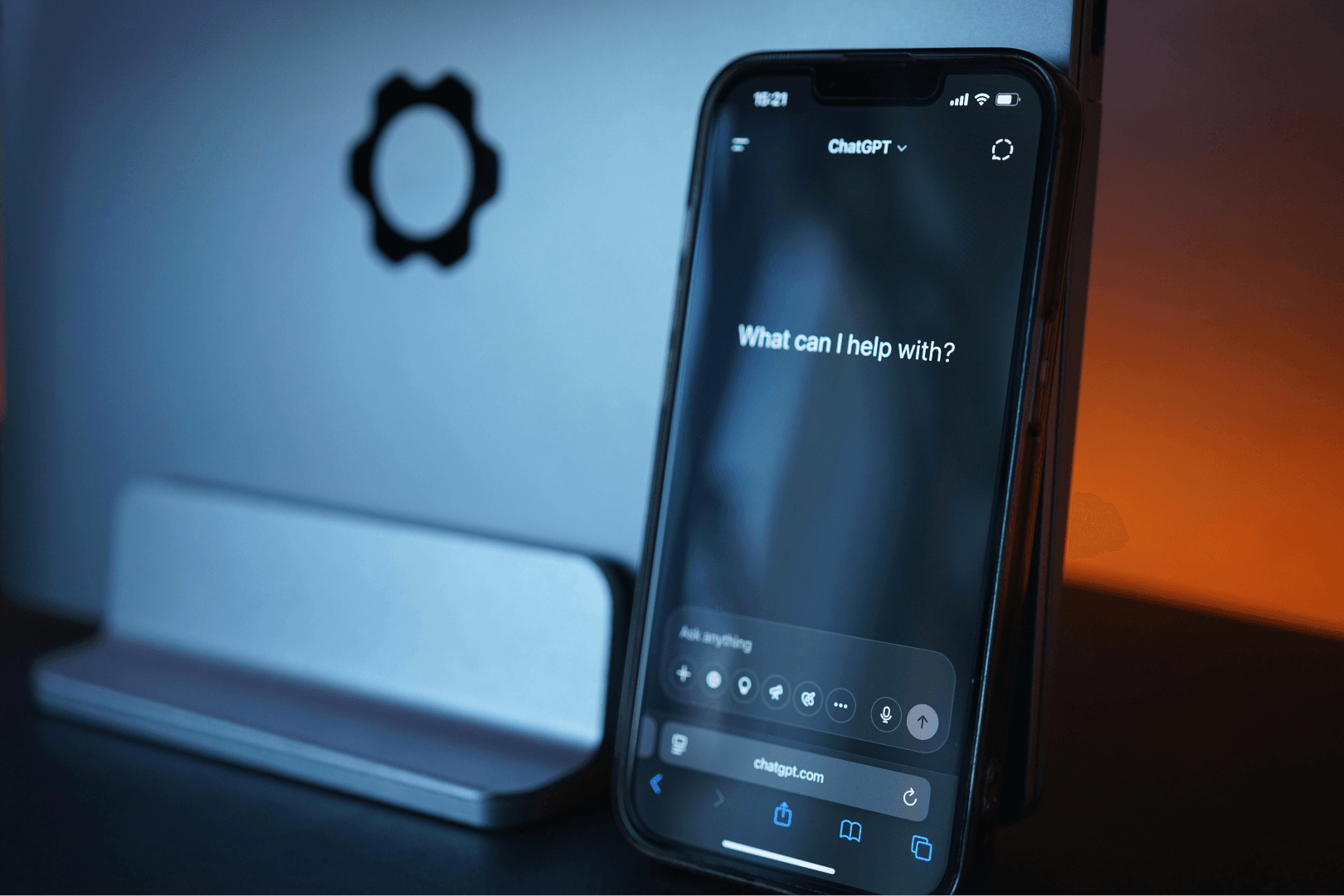
A chatbot is software primarily designed for communication. Its core purpose is to simulate human conversation, responding to user inquiries based on predefined rules (rule-based systems) or large language models (LLMs).
Chatbots excel at delivering information—but they are passive. They only operate when prompted by user input.
What Is an AI Agent?
An AI Agent is an autonomous system built to take action and achieve defined goals. Unlike chatbots, AI Agents do more than communicate. When assigned a complex objective, they can reason independently, break tasks into multiple steps, utilize tools (software, APIs), and modify system states without requiring step-by-step human instructions.
2. Agent vs Chatbot: 5 Core Differences
To clearly understand agent vs chatbot differences, the table below compares their capabilities in enterprise environments:
| Criteria | Chatbot (Automated Communication) | AI Agent (Autonomous Actor) |
|---|---|---|
| Core Objective | Answer questions, provide information | Complete tasks, solve problems |
| Proactivity | Passive – waits for user input | Autonomous – triggers based on events or data changes |
| Reasoning Ability | Keyword detection, data retrieval | Task breakdown, multi-step planning |
| Tool Usage | Limited (mainly text/link output) | Advanced (send emails, execute ERP commands, control machines) |
| Operating Environment | Chat interface (Website, Messenger, Zalo) | Backend systems, Cloud platforms, IoT ecosystems |
The shift from communication automation to action automation is the defining line.
3. Real-World Perspective: Agent vs Chatbot in Global Applications
The distinction between agent and chatbot becomes especially clear when observing how advanced economies apply them to industry-specific challenges.
United States: From E-Commerce to Autonomous Supply Chains
In the U.S., companies such as Amazon leverage chatbots to answer questions like:
“What is the return policy?” or “Where is my order?”
Behind the scenes, however, Supply Chain Agents operate autonomously. If a major storm threatens logistics hubs on the East Coast, an AI Agent can analyze supply risks, automatically contact backup suppliers, negotiate pricing via email, and secure alternative inventory before disruptions occur.
This is the difference between answering questions and proactively protecting revenue streams.
South Korea: Smart Factory Governance
South Korea leads industrial digitalization in cities like Ulsan, where heavy manufacturing dominates.
Chatbot example:
A factory supervisor types: “How is Press Machine A performing today?” The chatbot retrieves operational charts and displays the data.
AI Agent example:
Integrated with a Digital Twin system, an AI Agent functions as an invisible chief engineer. If the Digital Twin detects overheating in a robotic arm, the Agent automatically slows production lines, checks maintenance schedules, and—via RTLS—dispatches the nearest available technician to resolve the issue immediately.
No prompt required.
Singapore: Banking and Financial Automation
Singapore’s digital banking ecosystem includes institutions such as DBS Bank.
Chatbot use case:
Customers ask: “What is the current mortgage interest rate?” and receive guidance on completing application forms.
AI Agent use case:
A Loan Approval Agent processes applications autonomously. It connects to government tax portals, evaluates credit history, calculates risk scores, and approves or rejects loans within minutes followed by automated fund disbursement.
This represents execution-level automation, not conversational support.
Vietnam: The Evolution of B2B Logistics
Vietnamese businesses commonly deploy chatbots on platforms like Zalo for retail order confirmation and shipment tracking.
However, B2B logistics is shifting toward AI Agents. In fulfillment centers, Agents integrated with real-time location systems analyze forklift coordinates, optimize traffic routing, and assign tasks to the vehicle with the shortest travel path—eliminating wasted movement and operational inefficiencies.
4. When Should Enterprises Choose Chatbot vs AI Agent?
Understanding agent vs chatbot differences enables smarter IT budget allocation.
Invest in Chatbots if:
-
You need to handle large volumes of repetitive FAQs.
-
You want 24/7 lead generation on your website.
-
You aim to reduce Tier-1 customer support costs.
Upgrade to AI Agents if:
-
Your B2B operations involve complex workflows across ERP, CRM, and warehouse systems.
-
Your manufacturing or logistics environment requires real-time decision-making.
-
Operational speed directly impacts profit margins.
In high-stakes industries, autonomous execution is not optional—it is strategic.
5. The Future of B2B: AI Agents Integrated with Physical Ecosystems
Even the most advanced AI Agent is ineffective without reliable data and system authority.
True digital transformation occurs when AI Agents integrate deeply with Digital Twin platforms and real-time location systems (RTLS). At that point, Agents no longer operate solely on digital data, they can “see” and influence the movement of materials, assets, and personnel in the physical world.
This convergence defines the gold standard for next-generation enterprise management systems.
Conclusion
To summarize agent vs chatbot differences, consider this analogy:
A chatbot is like a diligent librarian, it helps you find the book you request.
An AI Agent is like an executive assistant, it anticipates what you need, reads the book, summarizes it, and applies the insights to solve problems on your behalf.
Communication automation (chatbots) is the starting point.
Action automation (AI Agents) is the destination.
It is time for enterprises to reassess their existing software architecture and prepare a robust data foundation ready to onboard autonomous digital workers into the core of their operational ecosystem.
Recommended Blogs
Returned but Not Ready: Tracking Returnable Container Recovery
2026-10-16

Replacing an RTLS Tag Without Losing the Asset's History
2026-10-15

Is That Location Still Current? Checking RTLS Data Freshness
2026-10-14

AI-generated illustration of the selected local environment; not a photograph of a customer site.
2026-10-13