AI for Enterprises: The Comprehensive Answer to Operational Optimization and Revenue Breakthroughs
2025-10-03

Amid constant global economic turbulence, Vietnam’s market is witnessing an intense digital transformation race. In this environment, technology is no longer merely a support tool but has become a decisive “weapon” that determines competitive positioning. At the heart of that revolution, AI for enterprises (artificial intelligence) has emerged as a solution capable of reshaping management and operational models across the board.
No longer confined to research papers or science fiction films, AI has already been embedded in production workflows, supply chains, and customer service systems. So what concrete “pains” does AI actually resolve for organizations, and how can companies fully leverage this power?
1. The Nature of Enterprise AI: More Than a Trend
Many executives still mistake AI for simple text- or image-generation tools. At the B2B level, however, enterprise AI is a complex ecosystem that includes Machine Learning, Computer Vision, and Predictive Analytics.
Rather than operating on rigid, pre-programmed rules, AI systems learn from the enormous volumes of data (Big Data) generated daily inside a company. AI acts like a supercharged brain that can analyze millions of variables in a blink and surface bottlenecks that human eyes or manual reports never reveal.
2. The Multiplier Effect: When AI Meets Location Systems and Digital Twin
The true value of AI explodes when it is integrated into the core technology platforms of operational systems:
Optimize workflows with real-time location data (RTLS). Imagine an industrial park spanning dozens of hectares: manual tracking of assets, forklifts, or personnel is virtually impossible. When AI is connected to a Real-Time Location System (RTLS), management gains an intelligent “heat map.” AI analyzes movement patterns, detects redundant routes, and recommends reassigning vehicle and personnel flows—saving thousands of labor hours per month.
Elevate asset management with Digital Twin. Combining AI with a Digital Twin is a quantum leap for modern operations. A Digital Twin mirrors the exact physical state of a factory or warehouse in a virtual environment, and AI continuously “reads” that model to enable predictive maintenance. Machines are diagnosed and flagged before they truly fail, effectively eliminating costly production downtime.
Supply-chain forecasting and risk management. Supply chains face risks from weather, price swings, or facility incidents. AI algorithms analyze historical data and current environmental variables to produce contingency scenarios, helping firms maintain optimal inventory levels—avoiding both capital-locking overstock and production-halting stockouts.

3. Barriers to AI Adoption and How to Overcome Them
Despite its huge benefits, deploying enterprise AI in Vietnam encounters several obstacles:
Dirty or siloed data. AI needs clean, integrated data to learn. Many companies still store information across disparate systems or in Excel spreadsheets. The remedy is a upfront data-standardization and centralization step before AI goes live.
Perceived high cost. AI investment is often viewed as expensive. Yet from an ROI standpoint, fixing a major pain point (for example, reducing logistics costs by 15% through route optimization) can produce positive cash flow in a short period.
Lack of internal talent. Firms don’t have to build a large in-house AI team. Partnering with professional IT providers that offer turnkey platforms and solutions is a pragmatic, time-saving approach that lowers risk.
4. A Four-Step Roadmap to Successful Enterprise AI Integration
Turning technological ambition into measurable results requires patience and a clear strategy:
-
Identify core objectives (pain-point hunting). Start with small but urgent problems. For example, prioritize AI for collision warning in a factory using location technology rather than trying to digitize the entire enterprise at once.
-
Proof of Concept (PoC). Deploy AI on a limited scope (one production line or one warehouse) for 1–3 months to measure effectiveness and fit.
-
Choose a flexible technology ecosystem. Favor partners capable of deeply integrating AI with management software and monitoring technologies like Digital Twin to ensure later system coherence.
-
Scale and train. After a successful PoC, expand the model and run internal training to dispel staff fears—making clear that AI is an empowering tool, not a job replacement threat.
Conclusion
In the digital era, speed of adoption and the ability to apply technology are key measures of a company’s value. Investing in enterprise AI is no longer a future experiment; it is a present imperative. The perfect combination of AI’s infinite analytical power with advanced platforms such as RTLS and Digital Twin builds a robust defensive layer while unlocking step-change growth opportunities.
Reassess your operational systems today. Small, well-chosen technological moves can yield giant leaps in the marketplace!
Recommended Blogs
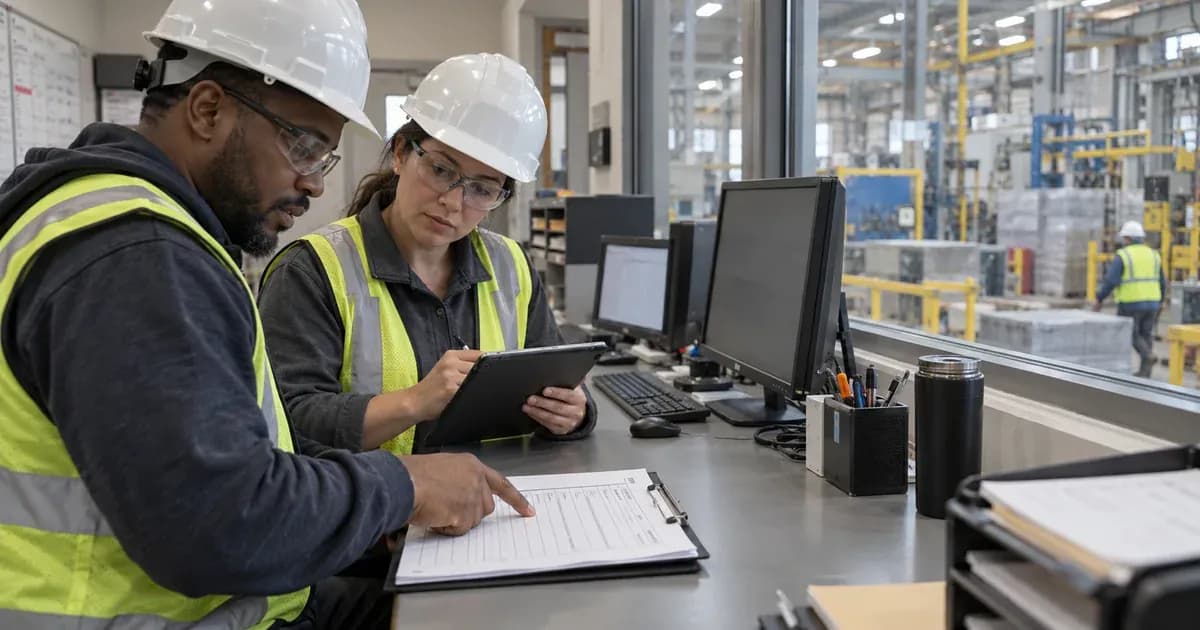
AI-generated illustration of the selected local environment; not a photograph of a customer site.
2026-10-13
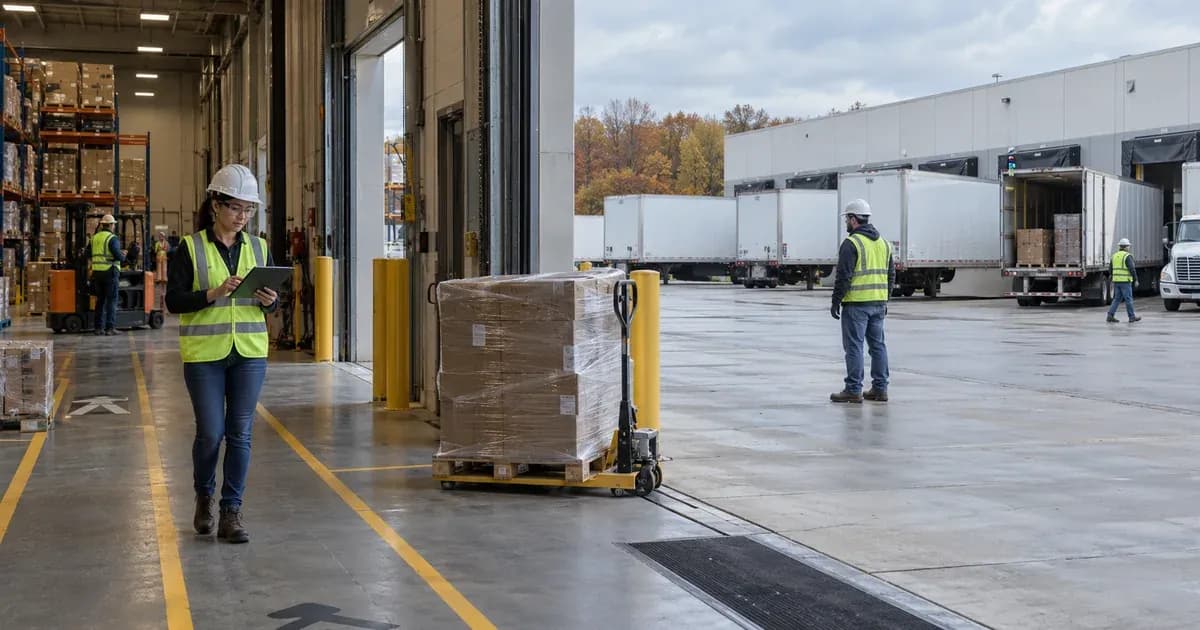
Asset Tracking Across the Warehouse Door: Joining Indoor and Yard Records
2026-10-12
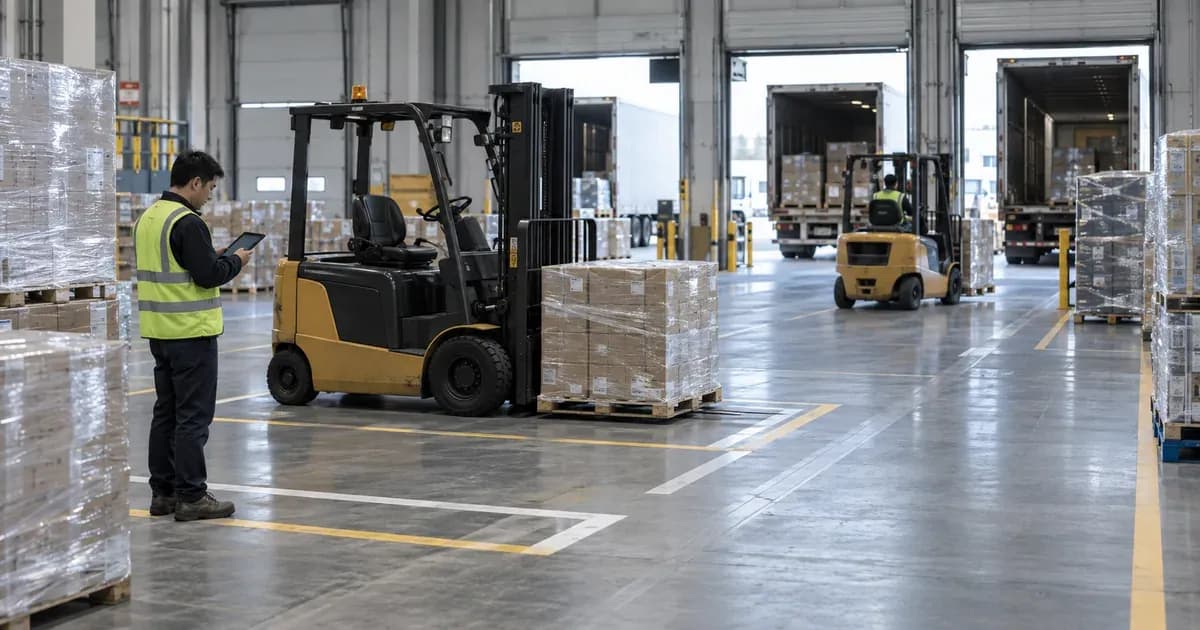
Forklifts Queue at Dispatch. Look at Dwell Time.
2026-10-08
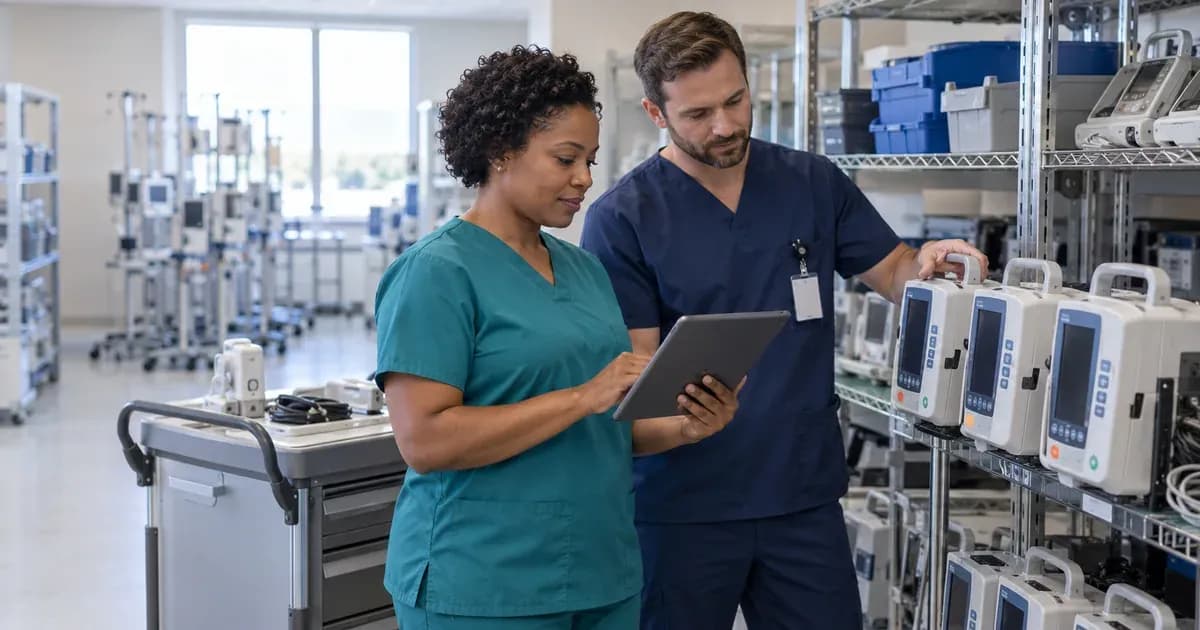
Found the Medical Equipment. Is It Ready to Use?
2026-10-07