What is Deep Learning? Understanding the Engine Behind the AI Revolution
2026-01-16
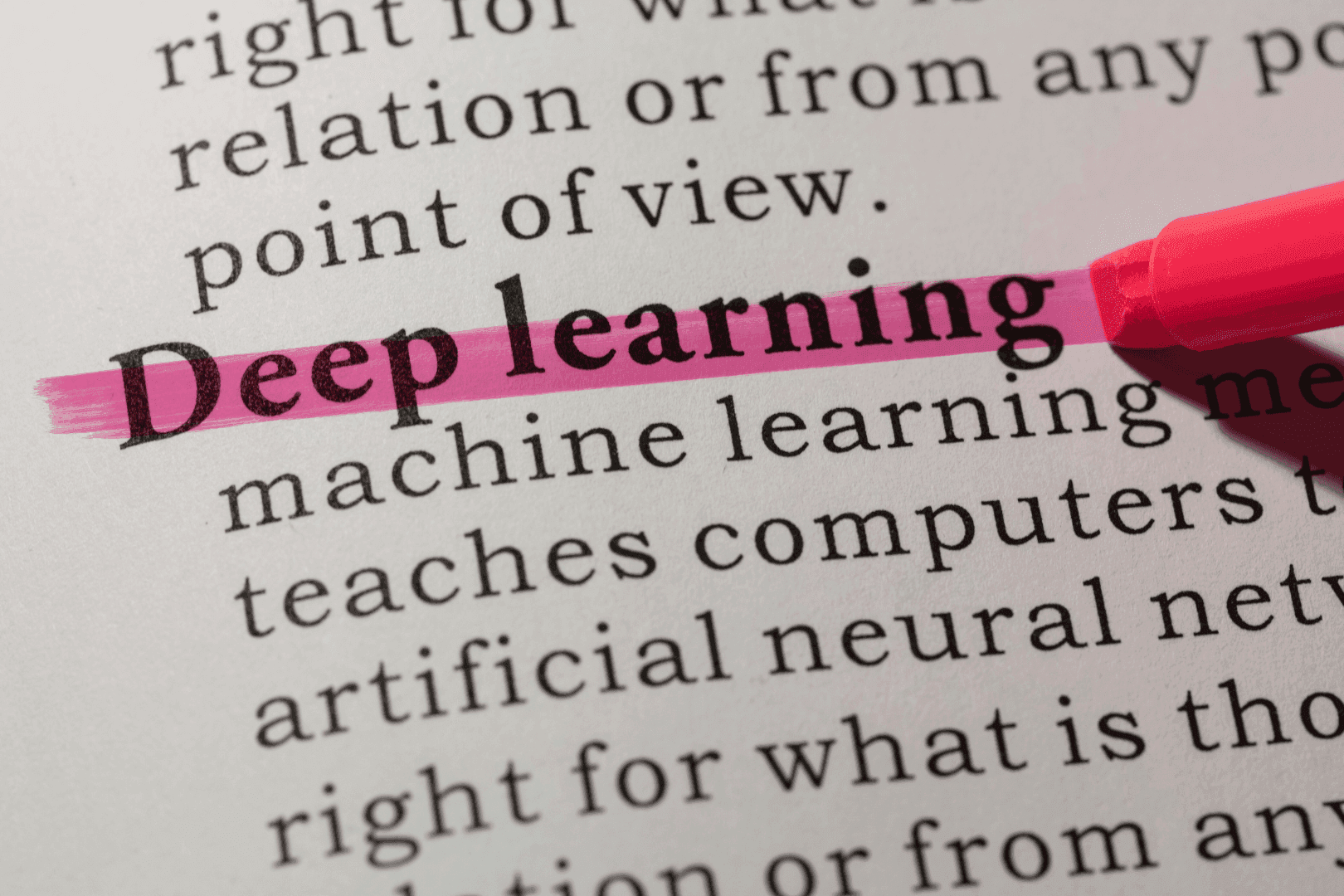
If you’ve ever been amazed by how fluently ChatGPT answers your questions, or how a Tesla maneuvers through a crowded street without a driver touching the wheel, you are witnessing the power of Deep Learning.
Deep Learning is no longer a concept confined to high-tech laboratories. It’s everywhere—from the way your phone unlocks when it sees your face to how global corporations predict market shifts. But what exactly is Deep Learning, and why is it considered the most powerful "engine" of today’s AI revolution?
1. What is Deep Learning?
To put it simply, Deep Learning is a specialized branch of Machine Learning, but with a much more complex architecture. It is designed to mimic the way neural networks work in the human brain.
Imagine a system made up of millions of artificial "neurons" stacked in layers. When you feed it data (like a photo or a set of coordinates), the information passes through these layers:
The first layer identifies basic lines and shapes.
The next layers combine those shapes into recognizable objects.
The final layer reaches a conclusion: "This is an obstacle" or "This is the precise location of a piece of equipment."
The word "Deep" refers to these many layers of neural networks. The deeper the layers, the better the computer becomes at processing complex, abstract data without needing a human to guide it every step of the way.

2. Why is Deep Learning Different from Old Tech?
In traditional Machine Learning, humans had to manually "teach" the machine which features to look for. For example, to recognize a cat, you had to define what pointed ears or a long tail looked like.
Deep Learning changes the game. You simply feed the system millions of cat photos. The AI learns, gains experience, and eventually "figures out" what a cat looks like on its own. This ability to learn directly from raw data is the secret to why AI can now outperform humans in analyzing massive datasets.
3. How is Deep Learning Changing the World?
Countries around the globe are using Deep Learning to solve their unique challenges:
USA – The Hub of Self-Driving Cars: Companies like Tesla and Waymo use Deep Learning to process billions of video frames every second. The AI recognizes signs and pedestrians and predicts where other cars will move to ensure a safe trip.
China – Logistics and Robotics: In massive warehouses, Deep Learning helps thousands of robots find the most efficient paths, avoiding collisions and organizing inventory with absolute precision without human intervention.
UK – Breakthroughs in Healthcare: Systems developed here have solved 50-year-old biological puzzles, such as predicting protein structures. This is opening doors to developing treatments for cancer and rare diseases thousands of times faster than before.
South Korea – Smart Factories and Ports: Korea is aggressively integrating Deep Learning into automated manufacturing. AI monitors sensor data to "predict" when a machine might fail, allowing for maintenance before an expensive shutdown occurs.

4. The Synergy: Deep Learning, Digital Twin, and RTLS
In the business world, Deep Learning doesn’t work alone. It acts as the "brain" that makes technologies like Digital Twin and RTLS (Real-Time Location Systems) smarter.
At ORBRO, we see this synergy in action every day:
Filtering Location Data: In complex factory environments, RTLS data can get "noisy" due to obstacles or weak signals. Deep Learning acts as a filter, pinpointing the exact coordinates of assets or personnel.
Predictive Power in Digital Twins: When you have a 3D virtual model (Digital Twin) of a building, Deep Learning analyzes historical data to predict: "Where will the bottlenecks happen if foot traffic increases by 20%?" It turns a static model into a living, predictive system.
5. Real-World Challenges and the Future
While Deep Learning is incredibly powerful, it isn't a "magic wand." For a successful rollout, businesses need to keep a few things in mind:
Data Quality is Key: If you feed the AI bad data, it will make bad decisions. Standardizing data from IoT systems is a crucial first step.
AI is an Assistant, Not a Replacement: Deep Learning handles the repetitive, boring number-crunching. This frees up humans to focus on more strategic and creative decision-making.
6. Conclusion
Deep Learning is the ultimate tool for finding value in the vast ocean of data we generate every day. When combined with location solutions and Digital Twins, it creates an operational framework that is transparent, accurate, and cost-effective.
The digital transformation journey might start with digitizing a space via a Digital Twin, but the ultimate goal is an intelligent system powered by the "brain" of Deep Learning. Is your business ready for this shift? Come and join ORBRO!
Recommended Blogs

Visitor Flow Analytics, Camera or Smartphone When You Cannot Hand Out Tags
2026-09-22

Smartphone Indoor Positioning, What an App and Beacons Cover and When You Need a Badge Tag
2026-09-21

RTLS for Senior Living: Filling the Daily Care Log with Resident Location Data
2026-09-18

Warehouse Labor Tracking: Why the Shift Plan and the Actual Headcount at Each Process Differ
2026-09-17