Application of Digital Twin and Positioning: Solving the "Green Manufacturing & ESG" Puzzle for Factories
2026-07-20

Imagine walking out of a tense meeting with a foreign partner. They are very pleased with your factory's production capacity and pricing. But before signing the contract, they bring up a mandatory requirement: "Does your factory have a carbon emissions report? How are ESG standards being implemented?"
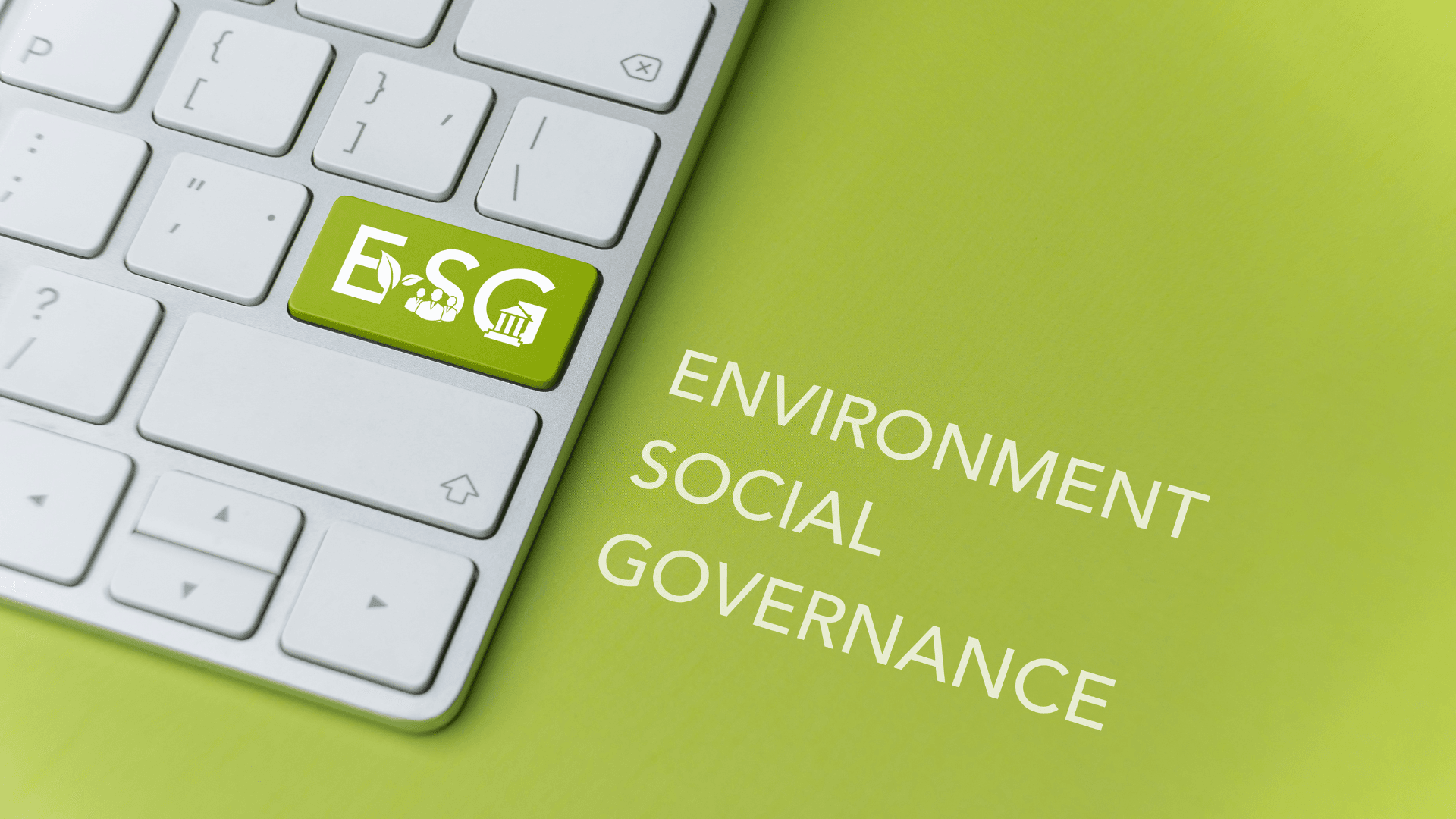
This is a reality that many industrial and logistics enterprises in Vietnam are facing. "Green Manufacturing" or "ESG" (Environmental, Social, and Governance) standards are no longer just catchy slogans. They have become the new rules of the game, a mandatory ticket to secure orders in the global supply chain.
However, when hearing about "green transformation," many factory managers often shake their heads in frustration, thinking they will have to tear down old production lines and buy expensive new machinery. In reality, this is not the case! The transformation starts with very small but smart changes. And the secret "weapon" helping modern factories achieve this effortlessly is the combination of the Digital Twin model and positioning technology.
1. What Are We Wasting Without Even Knowing It?
To make a factory "greener," the first rule is simple: Immediately stop invisible waste.
Look around your workshop. How many forklifts are running their engines, driving around the warehouse without carrying loads (idling), just because the driver cannot find the right pallet rack? How many areas with high-intensity lighting and ventilation systems are still running at full blast even though no worker has stepped foot there for hours?
These wastes occur every day. If managed by manual logbooks or standard cameras, you will never be able to measure the amount of fuel and electricity evaporating. And without measurement, optimization is impossible.
2. Digital Twin: Bringing the Entire Production Floor to the Computer Screen
To solve the above problem, the first step is to create a "digital replica" of the factory, also known as a Digital Twin.
Simply put, instead of tiring your feet walking down to the workshop to inspect, you can sit at the office and view a 3D model exactly like the real factory on your computer screen. Not just a static 3D image, this model is "alive" and realistic. When a machine on the actual floor is running, the corresponding machine on the screen also displays its operating status.
Thanks to the Digital Twin, before deciding to change forklift traffic flows to save gas, or altering lighting schedules, you can "test run" it right on the computer. The system will pre-calculate what percentage of emissions the factory will reduce and how much money will be saved on the electricity bill with this new method. Only if it shows real efficiency do you apply it to the actual workshop.
3. Positioning Technology: Small Chips Making Big Changes
If the Digital Twin is the brain, then for that brain to know everything happening on the floor, it needs "senses." That is where positioning technology (using UWB or BLE waves) comes into play.
The method is incredibly simple: You just need to attach small Tags to forklifts, high-value equipment, or distribute them to staff like regular employee ID cards. Around the workshop, we install signal transceivers (Anchors). Instantly, the system will know exactly where everyone and every cargo vehicle is, and in which direction they are moving, with centimeter-level accuracy.
4. When Technology Solves the ESG Puzzle in Reality
When positioning data pours into the Digital Twin model, the magic truly happens. Let's see how this system helps your factory achieve impressive ESG standards:
Environmental Protection (The "E" - Environmental): The system will analyze the movement data of all forklifts over a month. It will point out roundabout routes and times when vehicles have to wait, causing congestion. From there, the software automatically suggests the shortest and most scientific route. Shorter distances mean less fuel consumption, and CO2 emissions into the environment are significantly reduced. Additionally, based on the workers' positions, the lighting and HVAC systems can automatically reduce capacity in unoccupied areas, miraculously cutting down electricity bills.
Social Care and Occupational Safety (The "S" - Social): One of the strictest requirements of foreign partners is that the factory must be absolutely safe for workers. With this system, the distance between people and dangerous machinery (like forklifts) is always automatically measured. If a worker accidentally steps too close to a reversing forklift, the system will sound a warning siren and automatically intervene to slow down the vehicle. The peace of mind of the workers is the greatest humane value the factory can provide.
Transparent Governance (The "G" - Governance): When partners request reports, you no longer have to present patched-up, estimated data sheets. All parameters regarding how much idle time the factory has reduced, or how many kW of electricity have been saved, are exported by the system into automated, transparent, and absolutely authentic charts and graphs.
Conclusion
"Green manufacturing" is not a marketing campaign, but a long-term journey for sustainable business development. By applying the Digital Twin model and positioning solutions, meeting the strict standards of ESG will no longer be a cost burden, but truly become a profitable investment. When the factory operates more smoothly, safely, and energy-efficiently, you have single-handedly given your enterprise a massive competitive advantage in the international market.
Recommended Blogs
Replacing an RTLS Tag Without Losing the Asset's History
2026-10-15
Is That Location Still Current? Checking RTLS Data Freshness
2026-10-14
AI-generated illustration of the selected local environment; not a photograph of a customer site.
2026-10-13
Asset Tracking Across the Warehouse Door: Joining Indoor and Yard Records
2026-10-12