The RTLS Pilot Worked. Is Every Shift Ready to Use It?
2026-10-20

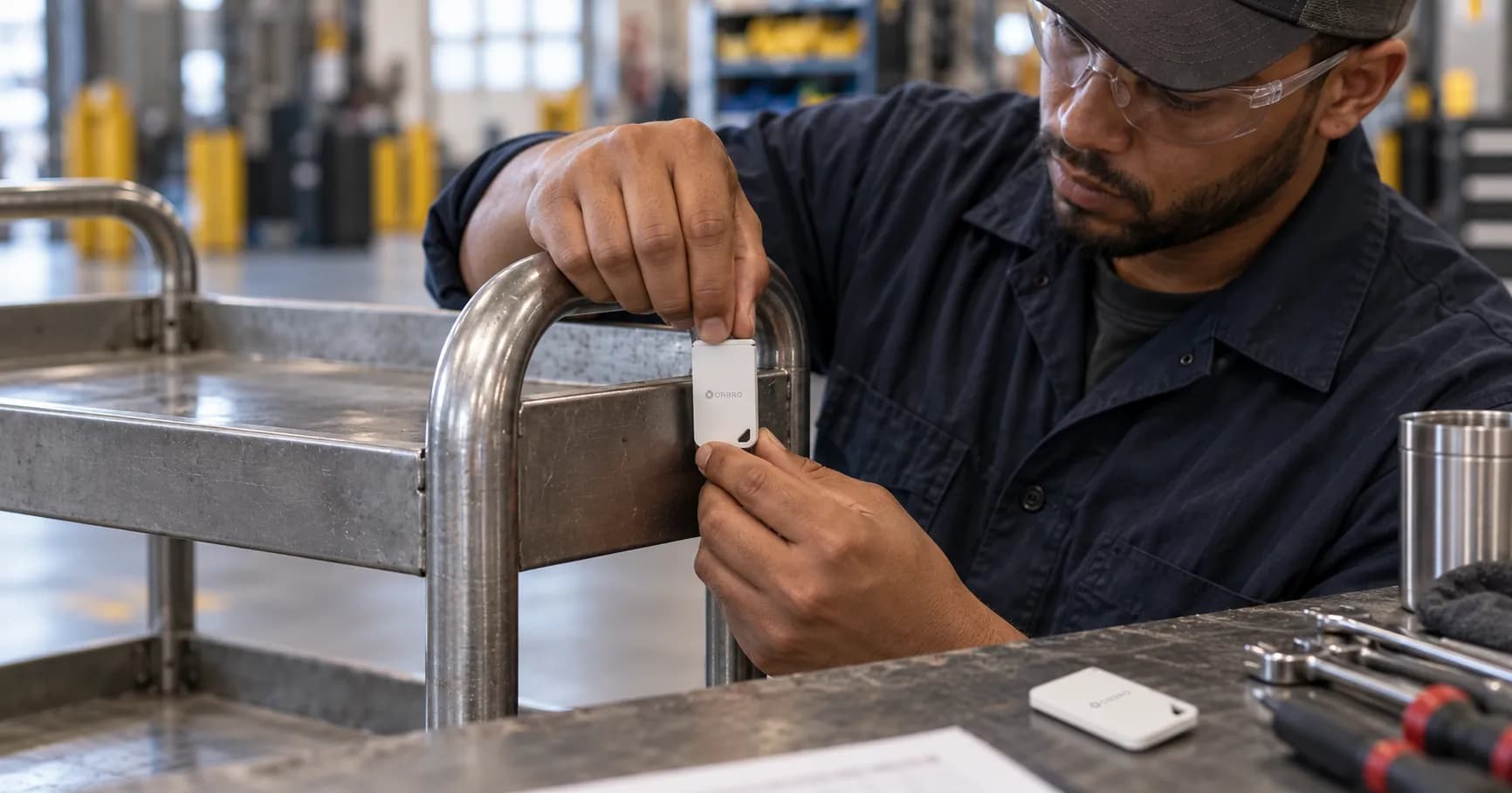
The pilot follows a cart smoothly across the map. During normal operations, the next shift cannot identify the spare tags and the night team does not know whom to contact about a stale position. A successful measurement trial and a sustainable operating process answer different questions.
After the proof of concept, expand validation to the people and procedures using the information. The following approach is an operational proposal, not a universal certification standard.
I. Document what changed from the pilot
Preserve the tested asset population, device models, routes, loads and operating periods. Compare them with the planned rollout. More assets, different traffic and altered loading arrangements can introduce conditions the pilot did not cover.
Reconfirm the required spatial result. Searching for an asset may need a reliable zone; detailed flow analysis may need finer observations. Do not extend one pilot result to every proposed use.
| Validation stage | Evidence | Decision supported |
|---|---|---|
| Positioning trial | Physical objects and observed locations match on a defined route | Adjust the tracking configuration |
| Workflow trial | Each shift can find assets and interpret record freshness | Improve labels, access and training |
| Operational handover | Staff can transfer exceptions and recheck replacements | Accept the verified operating scope |
Passing the positioning trial does not establish the other two outcomes. If the night shift cannot interpret an unresolved asset, adding another receiver may leave the operating problem untouched. Identify the missing evidence before choosing the remedy.
II. Ask each shift to find the same asset
Have actual operators query an asset and find the physical object. Check that the next team understands map names, labels and observation timestamps. They should know when an additional physical check is needed.
At a US plant with day and night operations, rehearse the roles actually used by production, material handling and maintenance. Agree on access, the help contact and backup responsibility. A facility's shift structure must be established locally.
III. Retest representative loading and traffic
Reception during a quiet walk-through may not represent a loaded working route. Include empty and representative loaded carts, as well as a busy period where the approved trial can run without disrupting operations.
Test floor changes and indoor–outdoor handovers separately where relevant. Preserve routes, attachment positions, loads and times for repeatability. Reassess reception infrastructure, processing and communication for the larger population; a small pilot does not establish unlimited scaling.
IV. Rehearse exceptions
Define the next action for an undetected tag, incorrect association, wrong-zone result and delayed observation. Identify a responsible person, required evidence, temporary handling and the condition for returning to normal operation.
Use an approved test arrangement or existing observed examples. Do not disconnect operating equipment or create unsafe movement to manufacture a test. Explain unresolved states so staff do not remove unconfirmed assets merely to tidy the display.
V. Prepare an operating handover
Useful handover information includes the asset–tag register, device placement, map version, zone definitions, effective configuration time, contact route and known limitations. Select the items needed by the actual operation.
Even where ORBRO RTLS Manager supports device and configuration history, agree separately on the operational register and replacement procedure. Define who revalidates after a tag change or layout revision. Consider separating configuration access from routine viewing.
VI. Agree on the post-launch review
Choose measures tied to the task: successful physical searches, observation freshness, zone errors and exception-resolution time. Preserve denominators, evaluation periods and exclusions. Use the same definitions before and after improvements and record user-reported issues.
VII. Release the verified scope in stages
Consider a US plant where day-shift staging routes have been checked but the loaded night-shift route remains untested. Record the verified assets, areas and periods separately from the outstanding route. Assign an interim physical confirmation method and an owner for the remaining trial. Installation completion should not silently expand the accepted operating scope.
ORBRO RTLS Manager connects device preparation, map reference and scale setup, location monitoring and system-log review. During handover, ask the incoming operator to use that workflow to locate a named asset and identify the relevant device. Keep the resulting device evidence separate from the business decision to accept the process. This makes it easier to distinguish an infrastructure problem from a missing label, permission or escalation route.
Closing thoughts
When the next shift cannot find the cart, revisit the asset register, observation freshness and exception handoff as well as the original positioning trial. Operational readiness means that actual users can locate the same assets and transfer unresolved work using shared evidence. Accept the tested scope explicitly and keep an owner for conditions that still need validation.
Do not treat a single successful demonstration as completed adoption by every shift. Bring the pilot results, rollout population and shift responsibilities to ORBRO to define the remaining operational checks.
Recommended Blogs
Right Coordinates, Wrong Floor? Validating Multi-Floor RTLS
2026-10-19

Returned but Not Ready: Tracking Returnable Container Recovery
2026-10-16
Replacing an RTLS Tag Without Losing the Asset's History
2026-10-15

Is That Location Still Current? Checking RTLS Data Freshness
2026-10-14