What Are Smart Sensors? Types and Applications Explained
2025-06-20
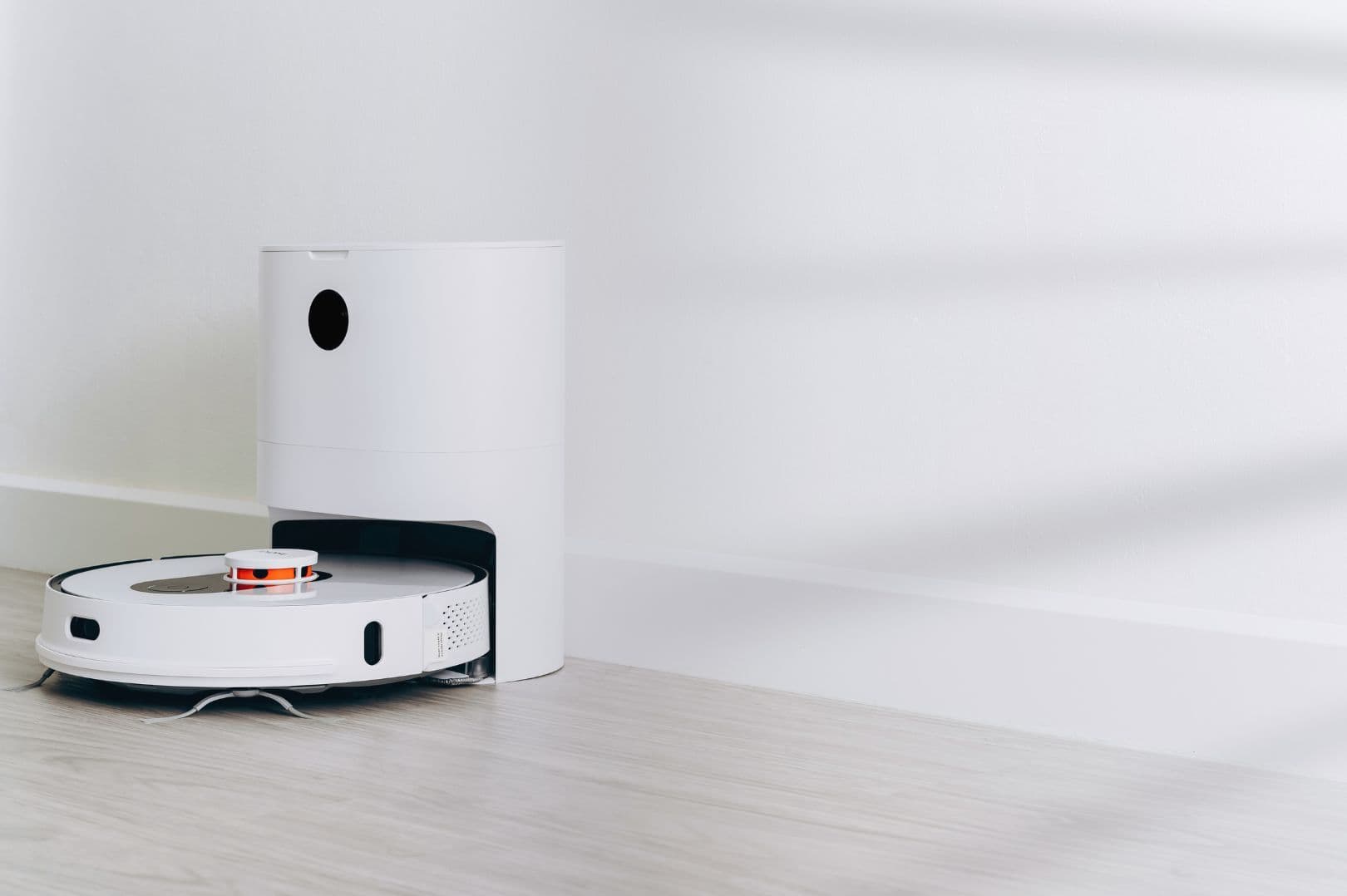
In the era of Industry 4.0, smart sensors have become an essential part of various fields from manufacturing and healthcare to everyday life. With the ability to collect and process data in real time, smart sensors not only help optimize processes but also open up new opportunities for innovation. So what exactly are smart sensors, how do they work, and what types are there? Let’s explore in detail.
What Are Smart Sensors?
A smart sensor is a device that collects data from its surroundings (such as temperature, light, or motion) and processes that information automatically using advanced technologies like Artificial Intelligence (AI), the Internet of Things (IoT), or embedded microprocessors. Unlike traditional sensors that merely collect raw data, smart sensors can analyze, make decisions, and transmit data to other systems for immediate action.
For example, a smart home sensor can detect when it gets dark and automatically turn on the lights, or in a factory, it can detect machinery errors and send warnings before a breakdown occurs.
How Do Smart Sensors Work?
Smart sensors typically operate through three main stages:
Data collection: The sensor captures environmental information, such as temperature, humidity, or motion.
Data processing: The integrated processor or AI analyzes the collected data to draw conclusions or trigger decisions.
Data transmission: The processed information is sent to a central system, mobile app, or other devices via Wi-Fi, Bluetooth, or IoT networks.
The combination of compact hardware and intelligent software makes smart sensors highly adaptable for a wide range of applications.
Common Types of Smart Sensors
Smart sensors come in many types, each designed for specific use cases. Below are some of the most commonly used:
1. Smart Temperature Sensors
Function: Monitor and track environmental temperature; often includes alerts when temperature exceeds set thresholds.
Applications: Cold storage, machinery monitoring in factories, home climate control.
Example: A smart sensor automatically adjusts room temperature based on the number of people present.
2. Smart Motion Sensors
Function: Detect movement of people, animals, or objects; often integrated with security or automation systems.
Applications: Automatic lighting in buildings, security cameras, robotic vacuum cleaners.
Example: A motion sensor detects your presence in a room and instantly turns on the lights.
3. Smart Light Sensors
Function: Measure light intensity and adjust devices accordingly, such as lamps or curtains.
Applications: Energy saving in offices or homes, light control in greenhouses.
Example: A smart light sensor dims lights when there’s sufficient natural sunlight to save energy.
4. Smart Humidity Sensors
Function: Monitor air or soil humidity, maintaining ideal conditions for environments.
Applications: Automated irrigation in agriculture, storage of perishable goods, indoor air quality control.
Example: A smart sensor in a garden activates the irrigation system when soil moisture drops.
5. Smart Gas Sensors
Function: Detect gases like CO₂, smoke, or toxic substances to ensure safety.
Applications: Chemical plants, home gas leak detection, automated ventilation systems.
Example: A smart gas sensor sends a phone alert when abnormal CO₂ levels are detected indoors.
6. Smart Pressure Sensors
Function: Measure pressure of air, liquids, or gases; commonly used in industrial or medical systems.
Applications: Pipeline monitoring, tire pressure checks, medical devices like blood pressure monitors.
Example: A smart pressure sensor in a production line alerts when pressure exceeds safe limits.
Benefits of Smart Sensors
Using smart sensors offers several significant advantages:
1. Increased Operational Efficiency
Smart sensors automate monitoring tasks, reducing the need for manual supervision and saving time.
Example: In factories, smart sensors constantly monitor equipment to prevent unexpected breakdowns.
2. Energy and Cost Savings
By adjusting devices based on real-time data, sensors help reduce electricity, water, or fuel waste.
Example: A smart light sensor turns off unused lights, cutting electricity costs by up to 30%.
3. Enhanced Safety and Security
Smart sensors detect potential hazards early, from gas leaks to unauthorized intrusions, protecting people and assets.
Example: A motion sensor triggers an alarm when detecting intruders in restricted areas.
4. Better Decision-Making
Data from smart sensors provides valuable insights that help individuals and businesses make informed decisions.
Example: In agriculture, a humidity sensor helps farmers optimize irrigation schedules.
Real-World Applications of Smart Sensors
Smart sensors are now integrated across diverse industries and daily scenarios:
Smart homes: Motion and light sensors automate appliances, improving comfort and saving energy.
Industrial manufacturing: Temperature and pressure sensors monitor production lines for quality and safety.
Smart agriculture: Humidity and light sensors enable automatic irrigation, boosting crop yields.
Healthcare: Wearable sensors track heart rate and blood pressure to detect health issues early.
Urban transportation: Gas and motion sensors help manage traffic flow and reduce pollution.
How to Choose the Right Smart Sensor
To make the most of smart sensors, it’s important to choose the right type for your needs. Consider the following factors:
Purpose: Define what you need for the sensor for security, energy efficiency, production, etc.
Connectivity: Choose sensors that support Wi-Fi, Bluetooth, or IoT protocols for easy integration.
Durability: Look for sensors built to withstand environmental conditions like heat, humidity, or dust.
Cost: Balance between budget-friendly models for residential use and premium options for industrial applications.
Conclusion: The Future of Smart Sensors
Smart sensors are more than just technology; they are the key to a more efficient, safer, and sustainable world. From automating homes to optimizing industrial operations and improving quality of life, smart sensors are shaping the future across industries and daily living.
Are you ready to harness the power of smart sensors? Start exploring and implementing them today to bring greater convenience and performance into your life and work.
Recommended Blogs

Forklifts Queue at Dispatch. Look at Dwell Time.
2026-10-08

Found the Medical Equipment. Is It Ready to Use?
2026-10-07

Your Factory Layout Changed. Did Your RTLS Map?
2026-10-06

Contractor Safety Management, How to Record When Contract Workers Arrived and Where They Worked
2026-10-02