What Is UWB?
2025-07-08
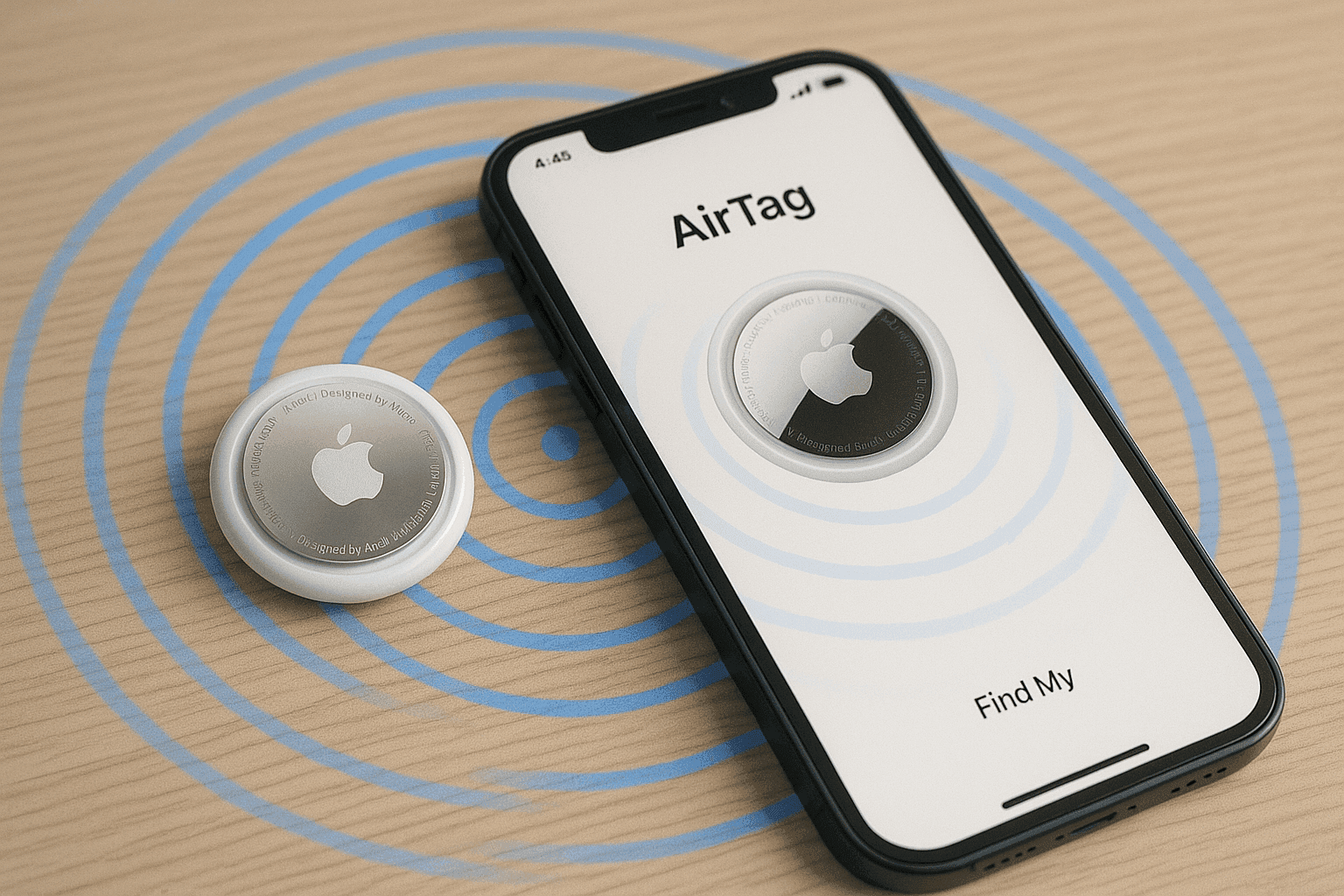
Have you ever wondered how your phone can seamlessly connect to your car, or how smart devices pinpoint your location down to the centimeter? The secret lies in UWB (Ultra-Wideband) technology. In this article, we’ll explain what UWB is, explore its standout applications, and break down how it works.
What Is UWB?
Ultra-Wideband (UWB) is a wireless communications technology that transmits data over very wide frequency ranges typically hundreds of megahertz using extremely short radio pulses. Unlike Wi-Fi or Bluetooth, UWB excels at ultra-precise positioning and robust operation in dense, noisy environments.
You’ll find UWB in modern smartphones, connected cars, and smart-home systems, delivering faster, more secure interactions.
Example: Your car’s smart key uses UWB to measure distance precisely and unlock the doors as you approach with no button press required.
How Does UWB Work?
UWB relies on four core principles:
Short Radio Pulses: Instead of a continuous carrier, UWB emits nanosecond-scale pulses spread across a broad frequency band (≥ 500 MHz).
Time of Flight (ToF): The system measures the time it takes for a pulse to travel between devices to calculate distance with sub-meter accuracy.
High-Precision Ranging: By triangulating multiple reference points, UWB pinpoints 3D locations within a few centimeters of error.
Interference Resistance: The wide spectrum and short pulses make UWB highly immune to interference and capable of penetrating obstacles like walls or metal.
Example: In a smart home, UWB locates your smartphone’s exact room even when multiple wireless systems are active nearby.
Key Applications of UWB
UWB’s precision and reliability power many real-world use cases:
Indoor Positioning
Use: Track people or assets in confined spaces such as warehouses or shopping malls.
Example: A retailer’s mobile app guides you straight to the product aisle using UWB positioning.
Secure Device Pairing
Use: Fast, automatic connections between phones, earbuds, and speakers.
Example: Your phone instantly streams music to your smart speaker when you enter the room.
Hands-Free Access
Use: Unlock cars or doors based on proximity.
Example: A modern electric car uses UWB to detect the owner’s key fob and open doors automatically.
Asset Tracking
Use: Monitor high-value items in warehouses or locate misplaced belongings.
Example: Apple AirTags employ UWB to guide you directly to lost keys with on-screen arrows.
Healthcare Monitoring
Use: Track medical equipment or monitor patient location.
Example: Hospitals deploy UWB to locate infusion pumps instantly when needed.
Why Is UWB Special?
Compared to Bluetooth and Wi-Fi, UWB offers:
Superior Accuracy: Positioning errors of just 10–30 cm versus 5–10 m for GPS.
Robust Interference Immunity: Reliable in crowded RF environments.
Low Power Consumption: Ideal for compact wearables like smartwatches.
Enhanced Security: Short pulses and complex encoding make eavesdropping or spoofing extremely difficult.
Conclusion
Ultra-Wideband is a major leap forward in wireless technology, delivering precision, convenience, and security that other systems can’t match. From hands-free car access and asset tracking to smart-home automation, UWB is reshaping how we connect with and navigate our surroundings. Ready to explore UWB’s potential? The future of ultra-precise wireless is here!
Recommended Blogs
Returned but Not Ready: Tracking Returnable Container Recovery
2026-10-16
Replacing an RTLS Tag Without Losing the Asset's History
2026-10-15

Is That Location Still Current? Checking RTLS Data Freshness
2026-10-14

AI-generated illustration of the selected local environment; not a photograph of a customer site.
2026-10-13