Healthcare Solution
Senior Care Resident Movement Analysis
Residents' movement paths and dwell records by room build up automatically. Changes in daily activity are spotted early and fed into care plans and facility operations.

Turn residents' movement and dwell records into daily life data
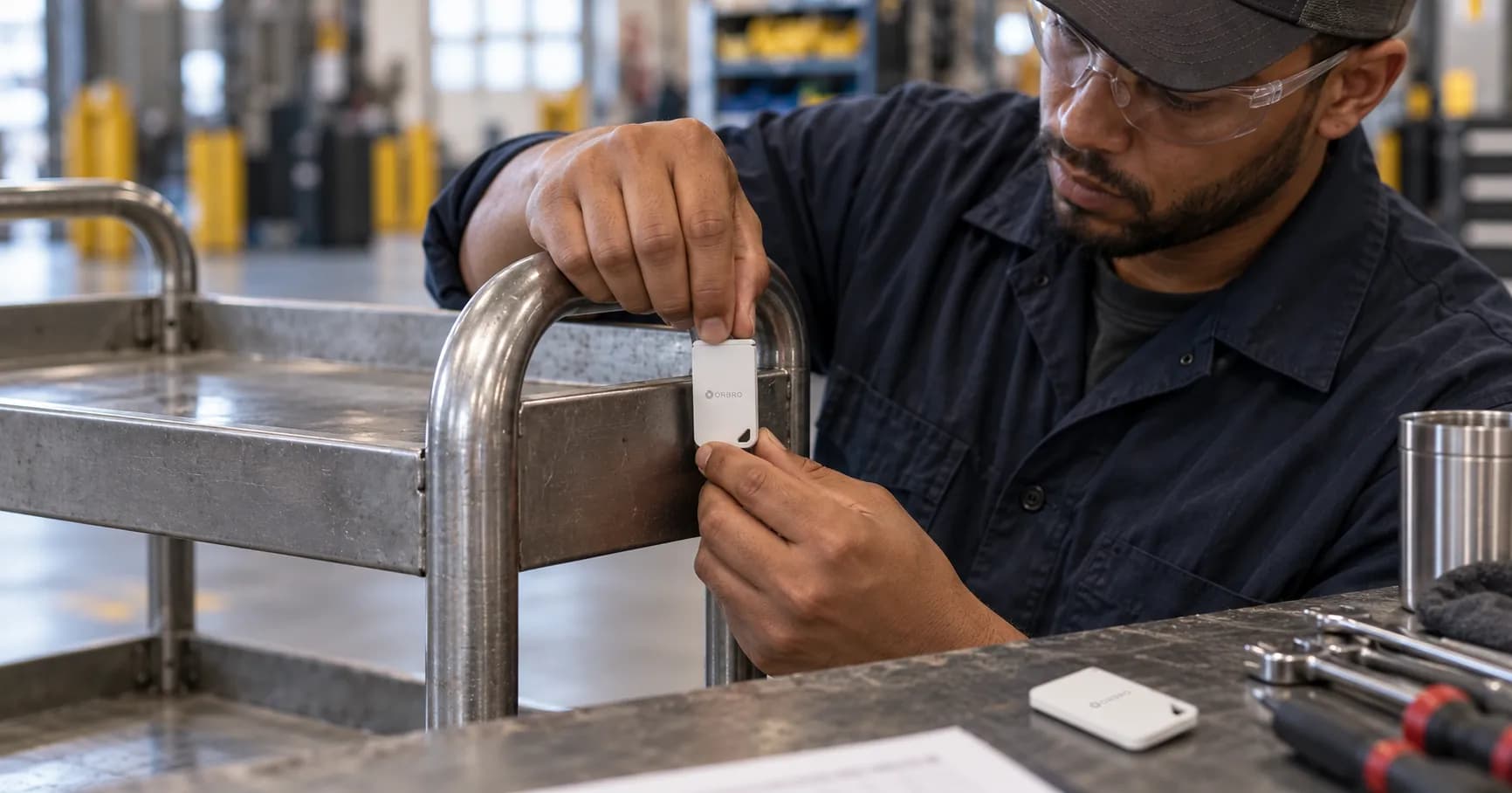
An ORBRO Tag mini fixed to the resident's top as a badge accessory sends location signals. TwinTracker UWB collects the signals, ORBRO Edge RTLS calculates position coordinates, and ORBRO Server records movement paths and dwell time. ORBRO OS shows life patterns and safety alerts on the facility floor plan.
TwinTracker UWB
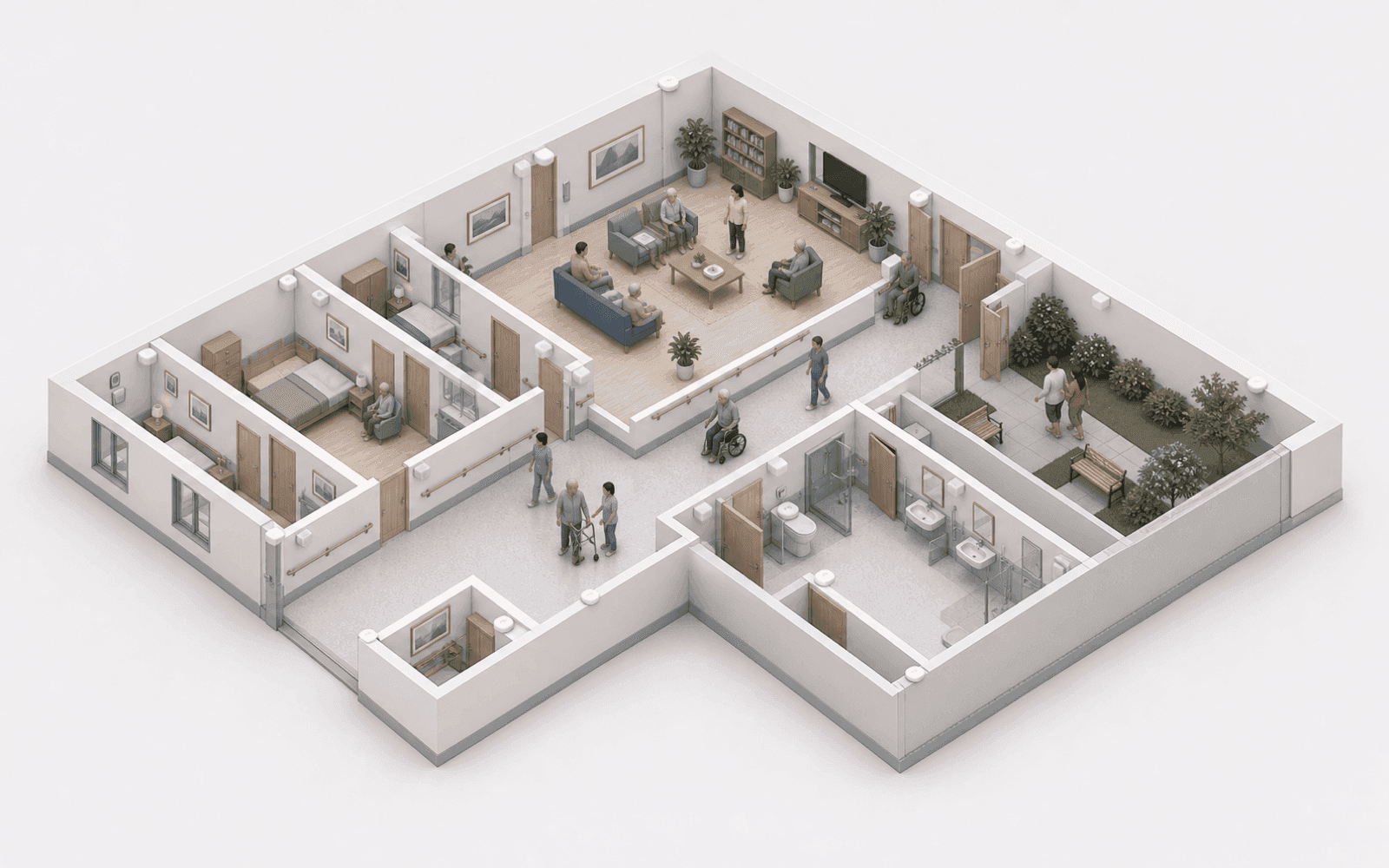
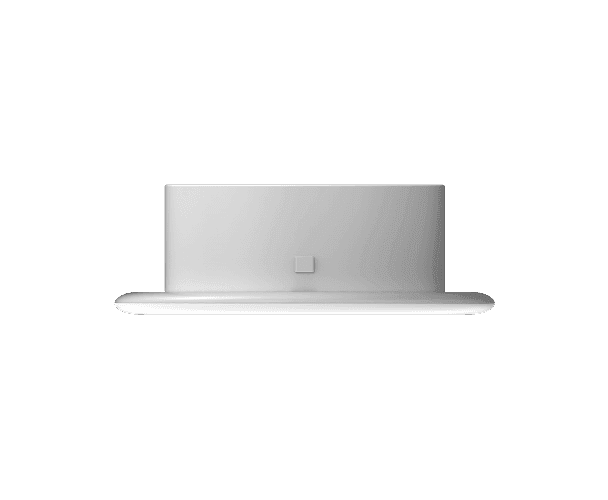
Installed in fixed positions around living rooms, corridors, the dining room and program rooms to collect ORBRO Tag mini signals. Placement covers the main routes residents take and the boundaries between spaces. Reception is configured so position coordinates stay continuous in a facility with walls, doors and furniture.







Daily activity and space use analysis
Each resident's movement paths and space use records build up day by day. Changes in activity level and dwell patterns are checked on the same basis.
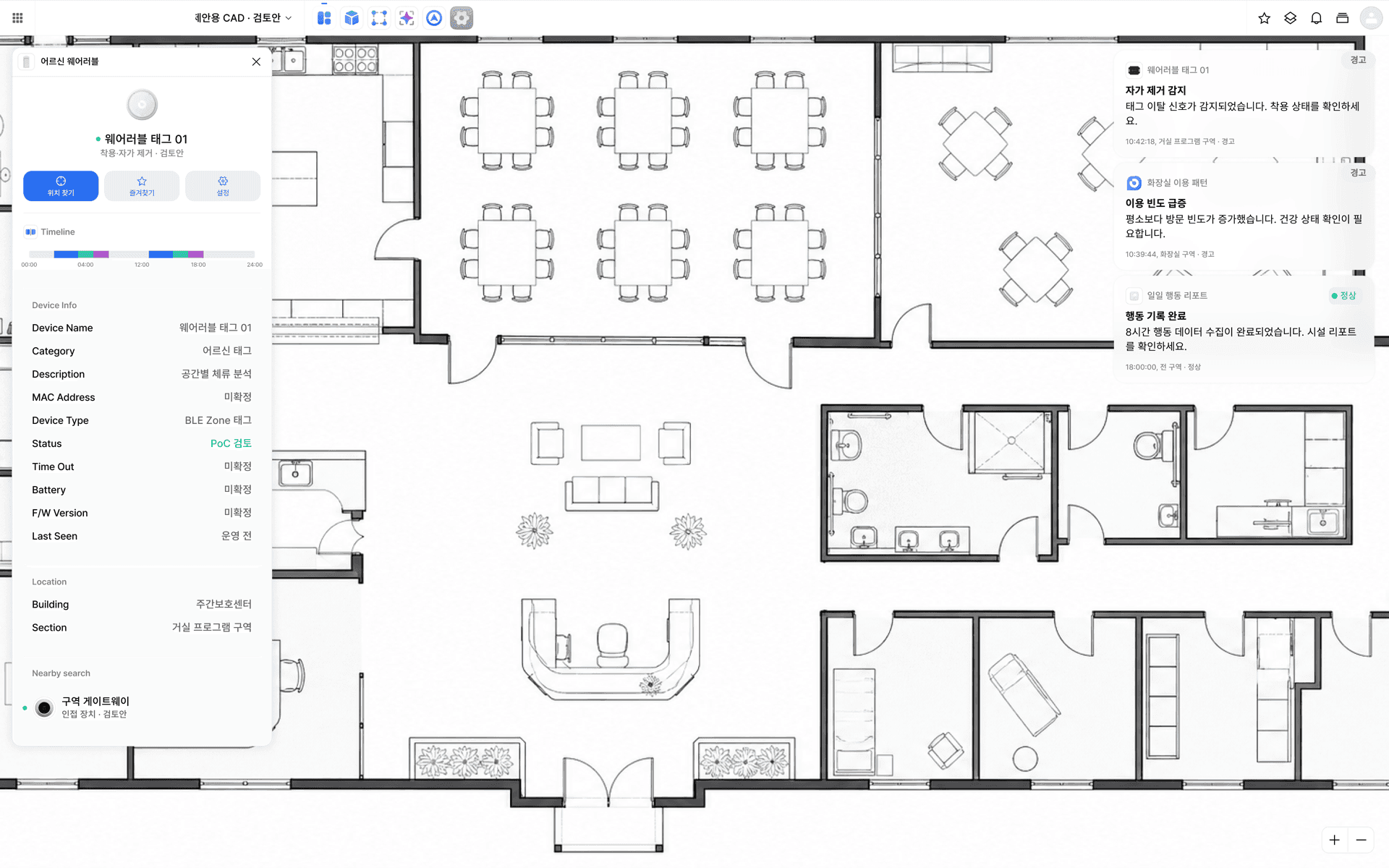
Current location and movement paths
See on the facility floor plan which room a resident is in now and the time of the last reading. Select a date and a resident to display the route from the living room to the dining room and program room in time order. Staff start with the location that needs checking instead of walking through every room.
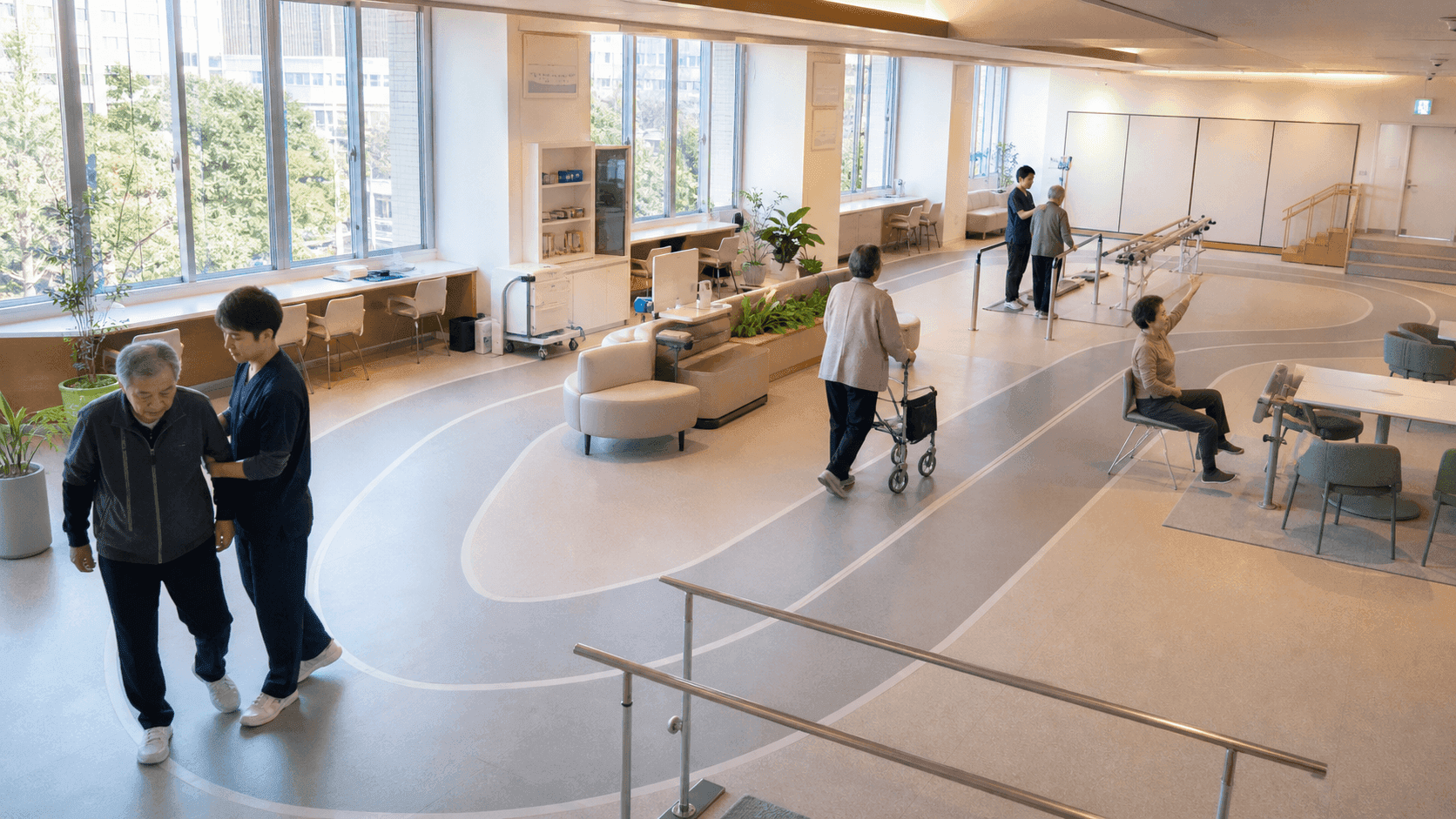
Daily walking distance compared over time
Each resident's daily walking distance is calculated from consecutive position coordinates and timestamps. In ORBRO OS, compare the same resident's movement records by date to find when the pattern changed. Movement changes by time of day serve as reference material for reviewing care plans and activity programs.
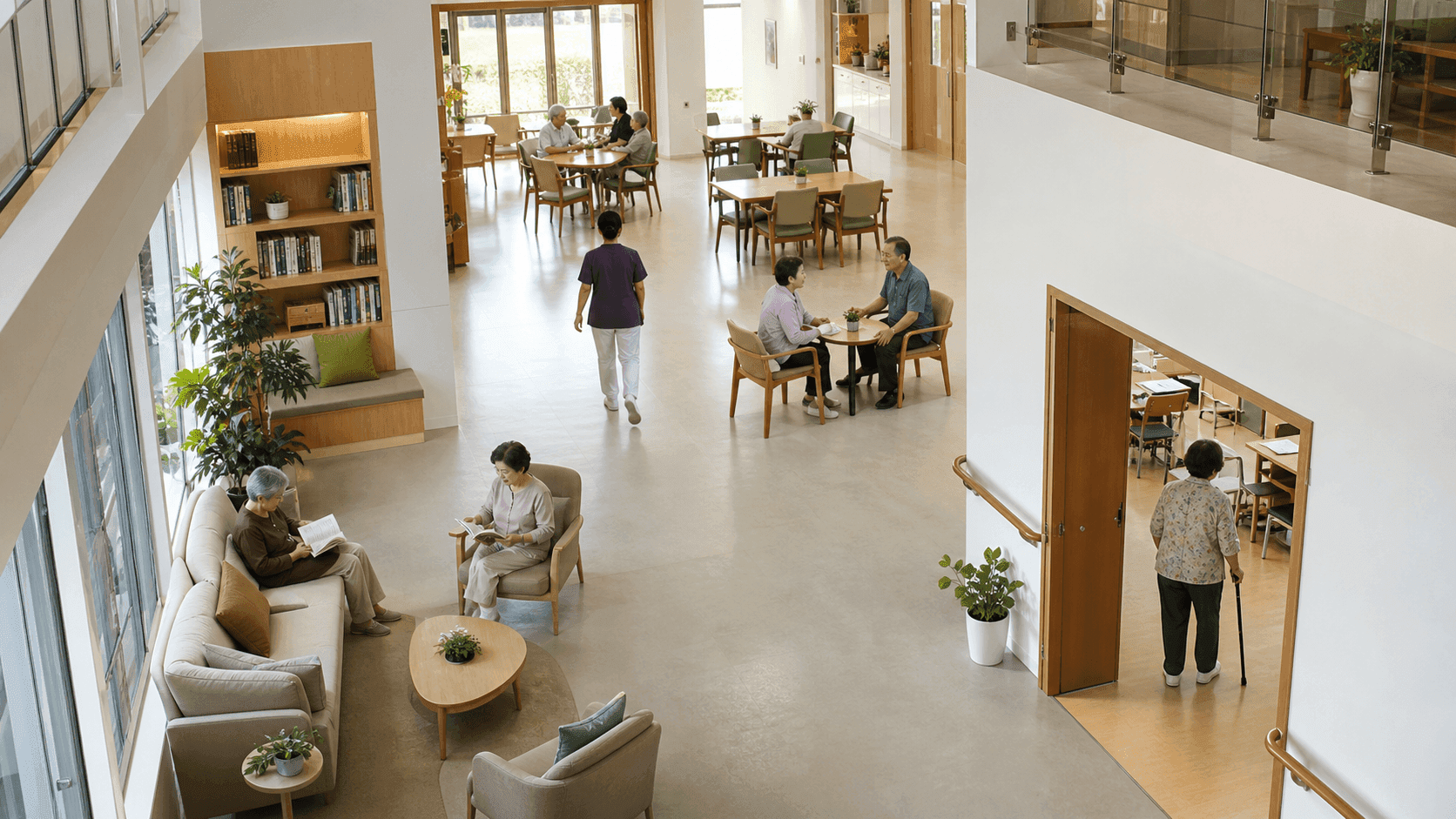
Visit counts and dwell time by space
Visit counts and dwell time are totaled for key living areas such as the dining room, program rooms and lounges. Entry and exit times link up to show the spaces visited most often and the hours of longest stay. Staff see differences in space use between residents together with the flow of use across the facility.
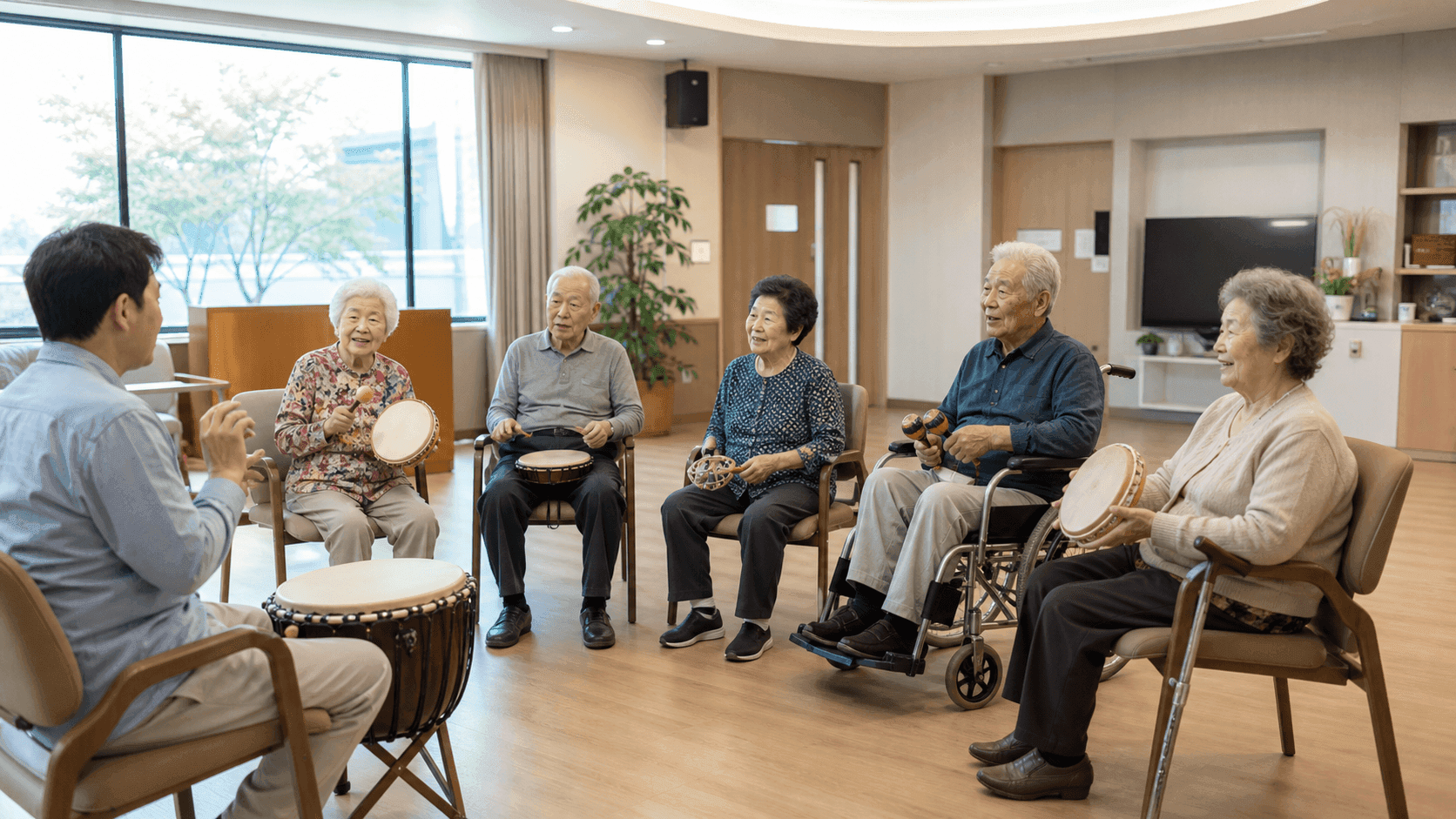
Dining room and program room use records
Check records of time spent in the target spaces during meal and program hours. Look up each resident's visit times and dwell time in ORBRO OS to compare patterns of space use. Whether a resident actually ate or took part is confirmed by staff against the situation on site and reflected in the care schedule.
Care safety and automated records
Each resident's living range and time-based safety rules are applied to location records. Situations that need checking and the day's care records are organized on the staff screen.
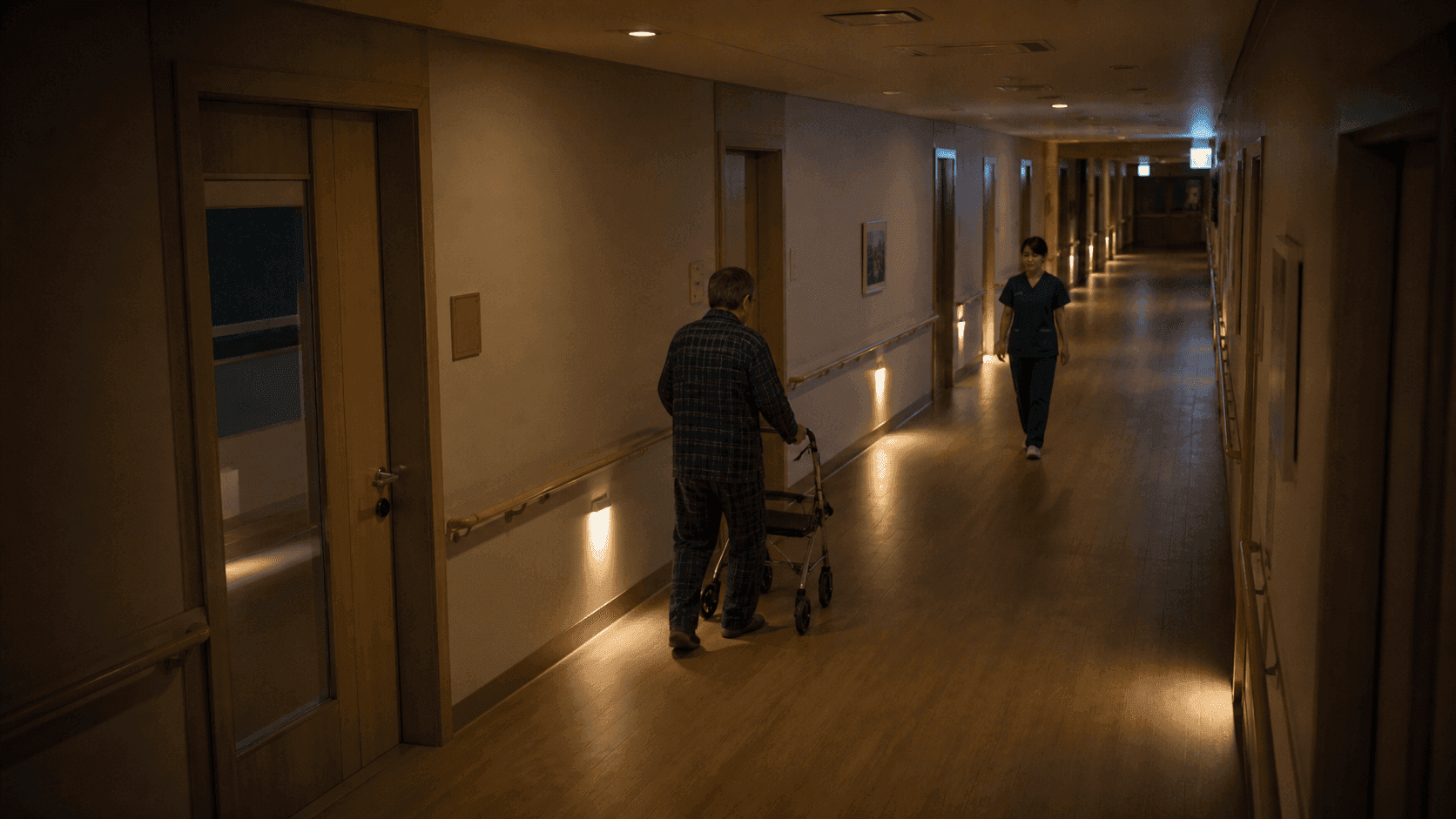
Night wandering and no-movement checks
Night-time movement paths and dwell records by room are checked for each resident. If no movement is detected in the same position for a set time, the last position and time appear on the list of residents to check. Staff use the location records to decide the order in which residents need an in-person check.
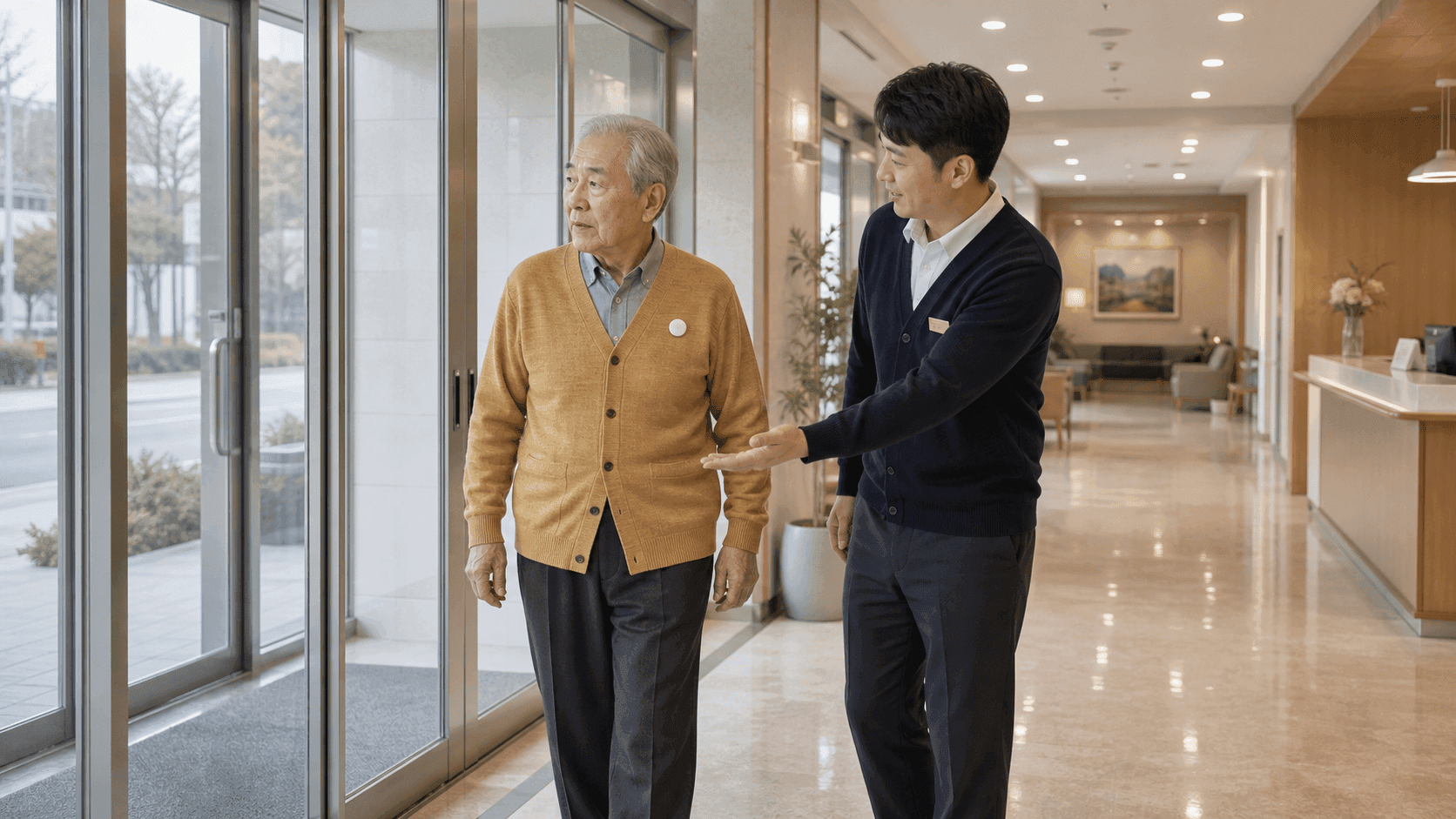
Entrance and hazard zone entry alerts
The main entrance, emergency exits, stairs and medication storage are managed as alert zones. When a resident leaves their permitted range or enters a hazard zone, the resident, location and time are sent to staff. Where the living range differs between day and night, different alert rules apply by time of day.

Daily life records compiled automatically
Daily walking distance, visit counts by space, dwell time and safety alerts are compiled for each resident. Staff draw on the same location data to fill in the movement and participation entries the care log needs in less time. Summaries by period serve as material for explaining changes at care meetings and family consultations.

Badge tag wear status management
The ORBRO Tag mini sits in a dedicated badge accessory fixed to the front of the resident's top. Attached to everyday clothing without a wristband or lanyard, it does not get in the way of daily movement and keeps each resident's tag distinct. Accessory attachment and tag numbers are checked at the start and end of the day to reduce missed wear and loss.
Recommended Products
Components Based on ORBRO OS
Each solution operates with various products connected on top of ORBRO OS. Configurations can be flexibly adjusted depending on the scope of application and on-site conditions.
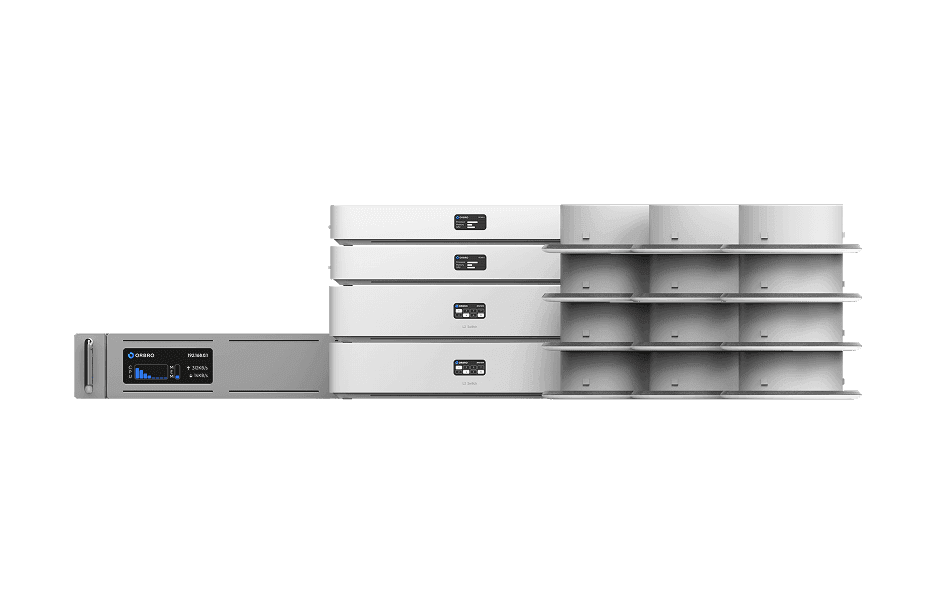
UWB Location Tracking
UWB Location Tracking
Enhance worker safety and precisely manage the movement of assets and equipment through real-time tracking, improving productivity and operational efficiency at the same time.
Learn More