What Is CCTV? Classification and Its Role in the Digital Era
2025-07-08
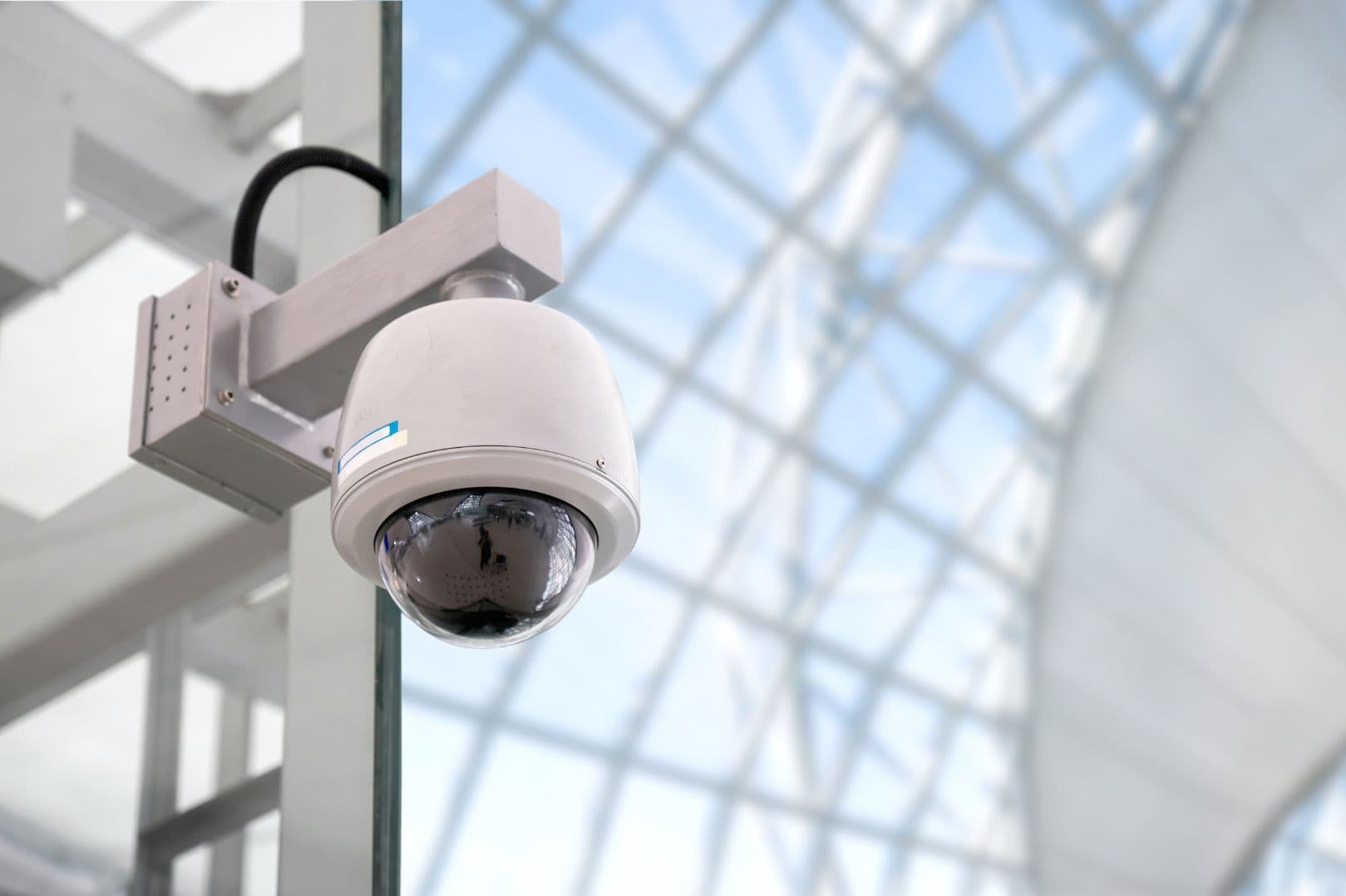
Have you noticed that whenever we talk about security and surveillance, most of us think of cameras? But CCTV systems have evolved far beyond traditional cameras. In the age of the Internet of Things (IoT) and Edge Computing, CCTV does more than record videoSmart Factory, it has become a high-tech solution that helps businesses and organizations manage security, optimize data usage, and integrate deeply into their IT infrastructure. Let’s explore what CCTV is, its types, and its multifaceted role in modern life.
1. What Is CCTV?
CCTV (Closed-Circuit Television) is a system of cameras and recording devices operating within a private network, without public broadcast. Instead of transmitting signals over a wide area, CCTV confines video transmission between cameras, DVR/NVR recorders, and monitoring screens or management softwareSmart Factory ensures security and centralization.
Today’s CCTV ecosystem consists of:
IP/Analog cameras: Capture video at various resolutions, supporting IR, PTZ, and onboard AI.
DVR/NVR recorders: Encode, store, and transmit video data.
Network infrastructure: Coaxial or Ethernet cabling, Wi-Fi, and 5G connectivity.
Video Management System (VMS): Centralized monitoring, analysis, alerting, and user management.
2. Modern CCTV Classifications
2.1 By Connection Standard
Analog CCTV: Uses coaxial cable with DVRs. Cost-effective but limited in resolution.
IP CCTV: Uses LAN/Wi-Fi; digital cameras send footage to NVRs or the cloud. Highly scalable.
2.2 By Intelligence Features
AI Cameras: Face recognition, anomaly detection, people counting.
HDR/WDR Cameras: Handle backlit scenes for clear detail in varied lighting.
Rugged Security Cameras: Impact- and weather-resistant (IP66/IP67) for harsh environments.
2.3 By Deployment Model
On-Premise CCTV: Local installation; data stored on-site (DVR/NAS). Ideal for tight control.
Cloud CCTV: Internet-connected cameras; video stored and analyzed in the cloud. Enables remote access.
Edge CCTV: AI processing performed on the camera or edge gateway, reducing bandwidth and latency.
3. The Role of CCTV in IT and Daily Life
Integrated Cyber-Physical Security
In enterprises, CCTV integrates via API with SIEM and access control systems. When an AI camera detects an intrusion or suspicious activity, it logs a security event, alerts the SOC team, and can automatically lock doors.IoT & Smart Device Monitoring
CCTV links to IoT hubs to oversee machinery and production lines. Cameras detect abnormal vibration or temperature, triggering automatic machine shutdowns or alerts via MQTT/webhooks.Video Analytics & Big Data
Modern VMS collects metadataSmart Factory, Time, location, movement, headcountSmart Factory and feeds it into Big Data platforms for heatmaps, customer flow forecasts, and optimized retail or production layouts.Smart City Applications
CCTV mounted on street lights, bridges, and public buildings monitors traffic, vehicle counts, and congestion, then dynamically adjusts traffic signals. Data can be shared with citizens via mobile apps and public displays.Remote Healthcare Monitoring
Hospitals equip patient rooms with cameras that use AI to detect falls or dangerous behavior. Encrypted imaging, compliant with HIPAA/GDPR, safeguards patient privacy.
4. Benefits of Deploying Intelligent CCTV
Layered Security Enhancement: Integrates physical and network security to deter crime.
Effective Remote Monitoring: Access events and footage via mobile or web apps.
Infrastructure & Cost Optimization: Edge computing reduces bandwidth; cloud storage offers flexibility.
Smart Analytics: AI and Big Data deliver insights for marketing and operations.
Standards Compliance: Simplifies adherence to ISO 27001, GDPR, PCI DSS through encrypted storage and controlled access.
5. Conclusion
We have entered a digital era where CCTV is no longer just a recording device but a critical component of IT infrastructureSmart Factory deeply integrated with IoT, AI, Edge, and Cloud technologies. Implementing intelligent CCTV allows businesses to elevate security, streamline operations, and extract deeper data insights. Choose the right solution today to seize growth and sustainability opportunities in the Industry 4.0 era!
Recommended Blogs
Returned but Not Ready: Tracking Returnable Container Recovery
2026-10-16

Replacing an RTLS Tag Without Losing the Asset's History
2026-10-15

Is That Location Still Current? Checking RTLS Data Freshness
2026-10-14

AI-generated illustration of the selected local environment; not a photograph of a customer site.
2026-10-13