What Is Geofencing? What Benefits Can It Bring to Businesses?
2025-07-08
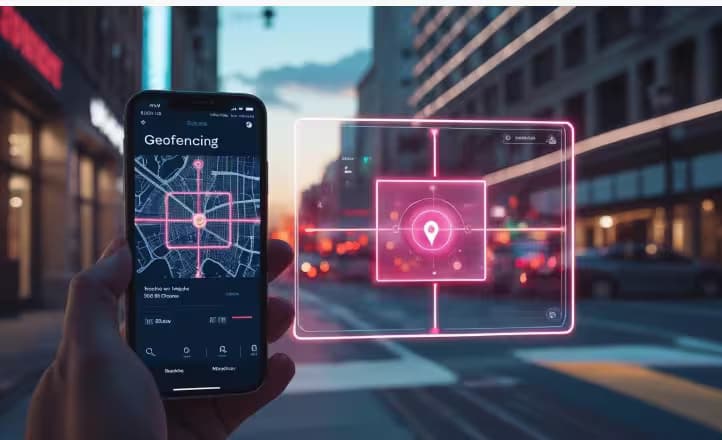
In the digital era, businesses not only attract customers online but also seek to engage them effectively at their real-world locations. Geofencing or virtual geographic fencing is the technology that lets companies send instant messages or offers when a customer enters, exits, or moves within a defined geographic boundary. This article explains what geofencing is, how it works, and the practical benefits it delivers for businesses.
1. What Is Geofencing?
Geofencing is a technique that uses GPS, Wi-Fi, Bluetooth, or other positioning technologies to define or restrict a specific area by creating a virtual “fence” around a geographic zone such as a store, airport, or residential district. When a user’s mobile device has the relevant app installed and location permissions granted, the system detects “enter,” “exit,” or “dwell” events within that zone and triggers an action (push notification, coupon delivery, data collection).
2. How Geofencing Works
Define the Zone
Specify the fence’s center coordinates and radius (e.g., 100–500 m).Register Events
The business’s mobile app requests location permissions from the user’s device.Continuous Monitoring
A background service or SDK tracks the device’s location against the fence.Trigger Actions
When the device meets the criteria (entering/exiting/passing through), the system sends a push notification, email, or launches a marketing campaign.
3. Benefits of Geofencing for Businesses
Increased Engagement & Conversions
Instant personalized offers: Send coupons or promotions as customers step within your store’s radius to drive purchases.
Service suggestions: Restaurants can push menus or drink specials when diners approach the venue.
More Efficient Marketing
Lower ad spend: Target only those likely to visit your location, rather than broad audiences.
Real-world behavior metrics: Track how often people enter your geofence, how long they stay, and conversion rates.
Improved Customer Experience
Wayfinding: The app can guide customers to the checkout counter, promotional displays, or parking areas.
Safety alerts: In industrial zones, warn workers if they enter hazardous areas.
Optimized Operations & Logistics
Fleet management: Automatically record warehouse exits/entries and flag late arrivals.
Asset monitoring: Control when equipment or machinery moves in or out of designated zones.
4. Real-World Applications
Retail: Send a 20% off voucher when shoppers come near the store.
Delivery: Notify “Arriving in 10 minutes” when a courier vehicle enters the customer’s neighborhood.
Hotel & Tourism: Automatically welcome guests when they reach the gate and speed up app-based check-in.
Events & Exhibitions: Provide digital maps and booth information the moment attendees enter the fairgrounds.
5. Implementation Considerations
Privacy: Obtain user consent and secure location data.
Fence Radius: Too large reduces personalization; too small may miss triggers.
Battery & Data Usage: Balance between location accuracy and power drain for background monitoring.
Timely Content Updates: Ensure offers are contextually relevant and valid.
6. Conclusion
Geofencing is a powerful tool that enables businesses to reach and engage customers intelligently, with personalized messages and cost savings. From retail and logistics to events management, any organization can leverage geofencing to elevate user experience and streamline operations. Don’t wait to start building your own virtual fence today!
Recommended Blogs
Returned but Not Ready: Tracking Returnable Container Recovery
2026-10-16
Replacing an RTLS Tag Without Losing the Asset's History
2026-10-15
Is That Location Still Current? Checking RTLS Data Freshness
2026-10-14
AI-generated illustration of the selected local environment; not a photograph of a customer site.
2026-10-13