Construction Solution
Shipyard Location Monitoring
When an incident happens, a record shows who was where. Contractor personnel appear on the same screen too, which gives you the material a safety inspection needs.

Show current location and movement status for dock workers and equipment
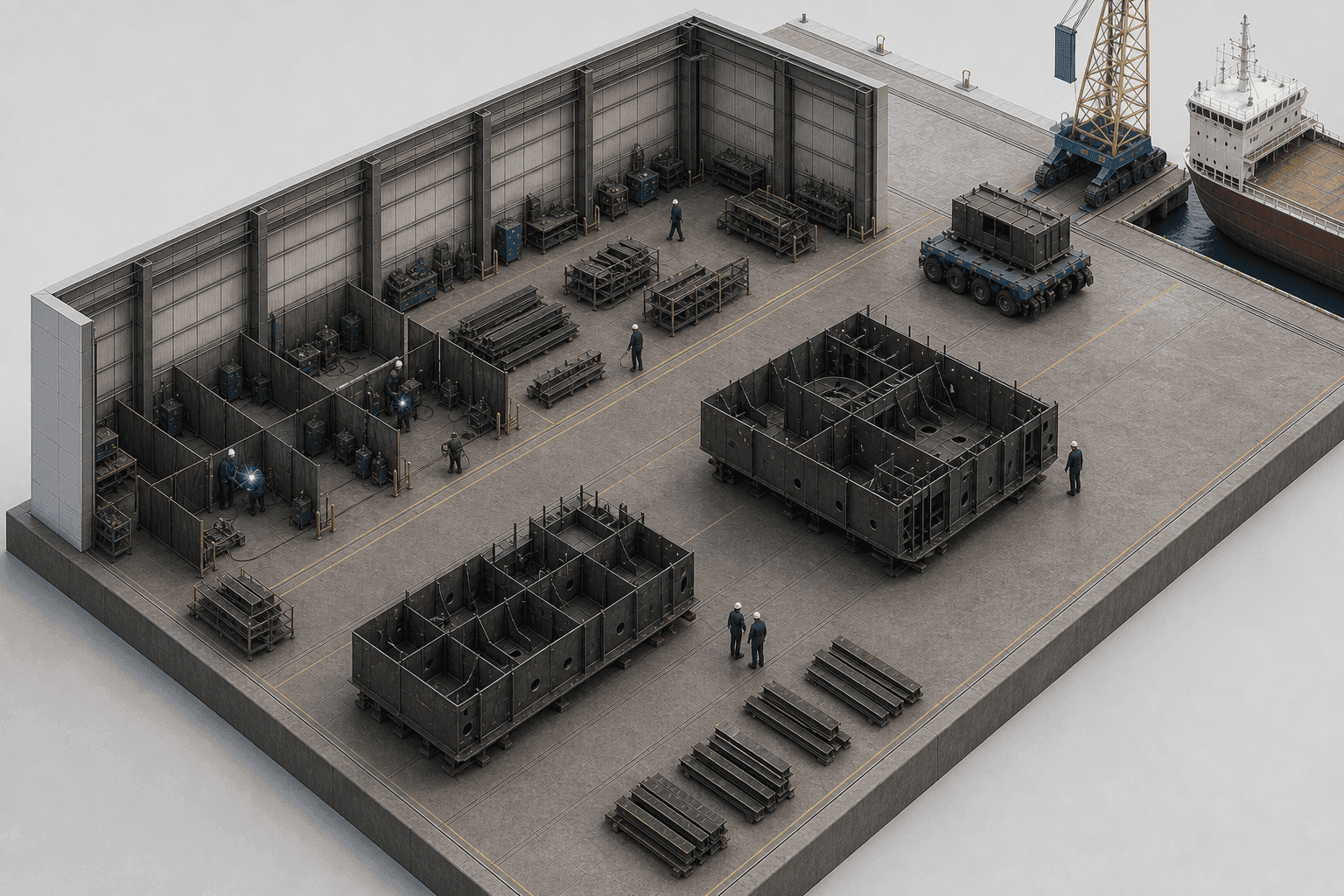
Workers carry a UWB Tag ID and equipment is fitted with a UWB Tag. From the signals TwinTracker UWB receives, ORBRO Server shows where personnel and equipment are. Coverage is adjusted to how columns and hulls are laid out.
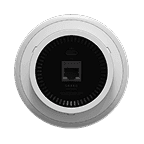
TwinTracker UWB
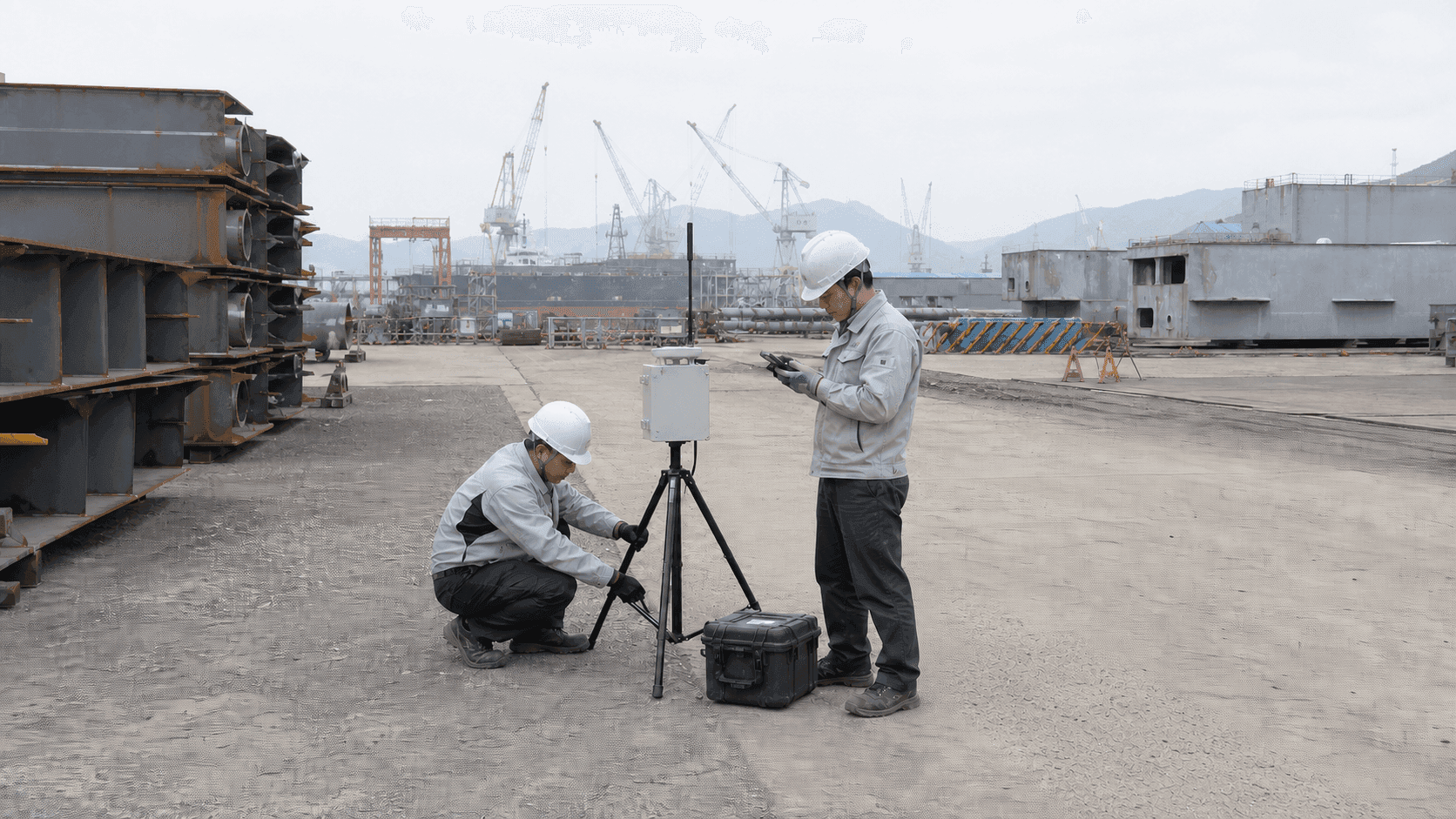
A receiver installed on columns and walls that collects tag signals from workers and equipment. Mounting points are split between the upper and lower part of a column to fill in coverage where the view is blocked. Placement is adjusted to how hulls and materials are stacked.




Real-Time Dock Location Monitoring
Who is where and which equipment sits where across the dock and the laydown yard comes together on one screen. The same ID card keeps being recognized as people move between the office building and the dock.
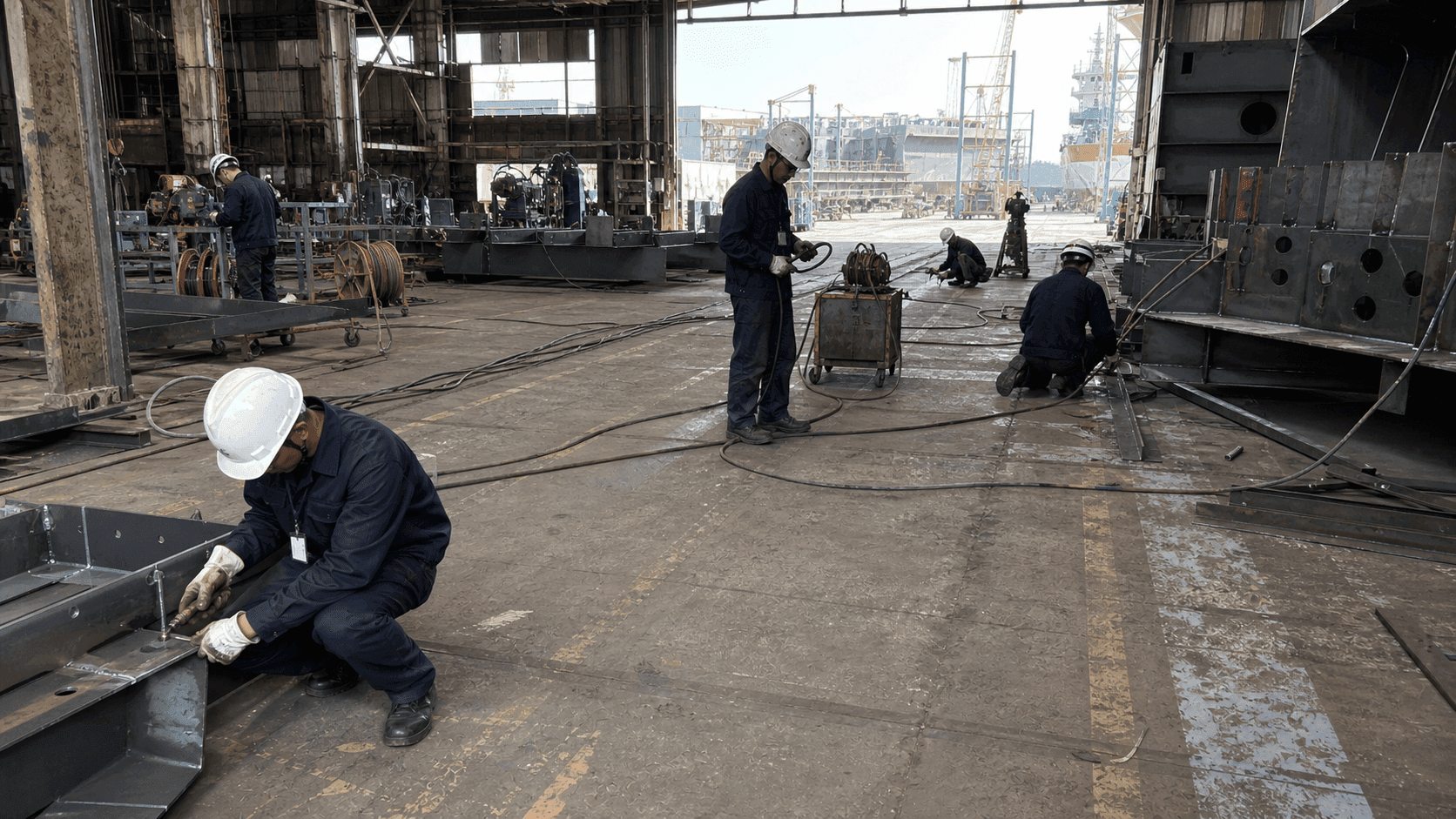
Worker locations checked in real time
The monitoring screen shows who is where across the dock and the laydown yard. When an incident happens you can call the nearest people first, and during an evacuation you count who is left. Contractor personnel appear on the same screen, so the main contractor sees everyone at once.
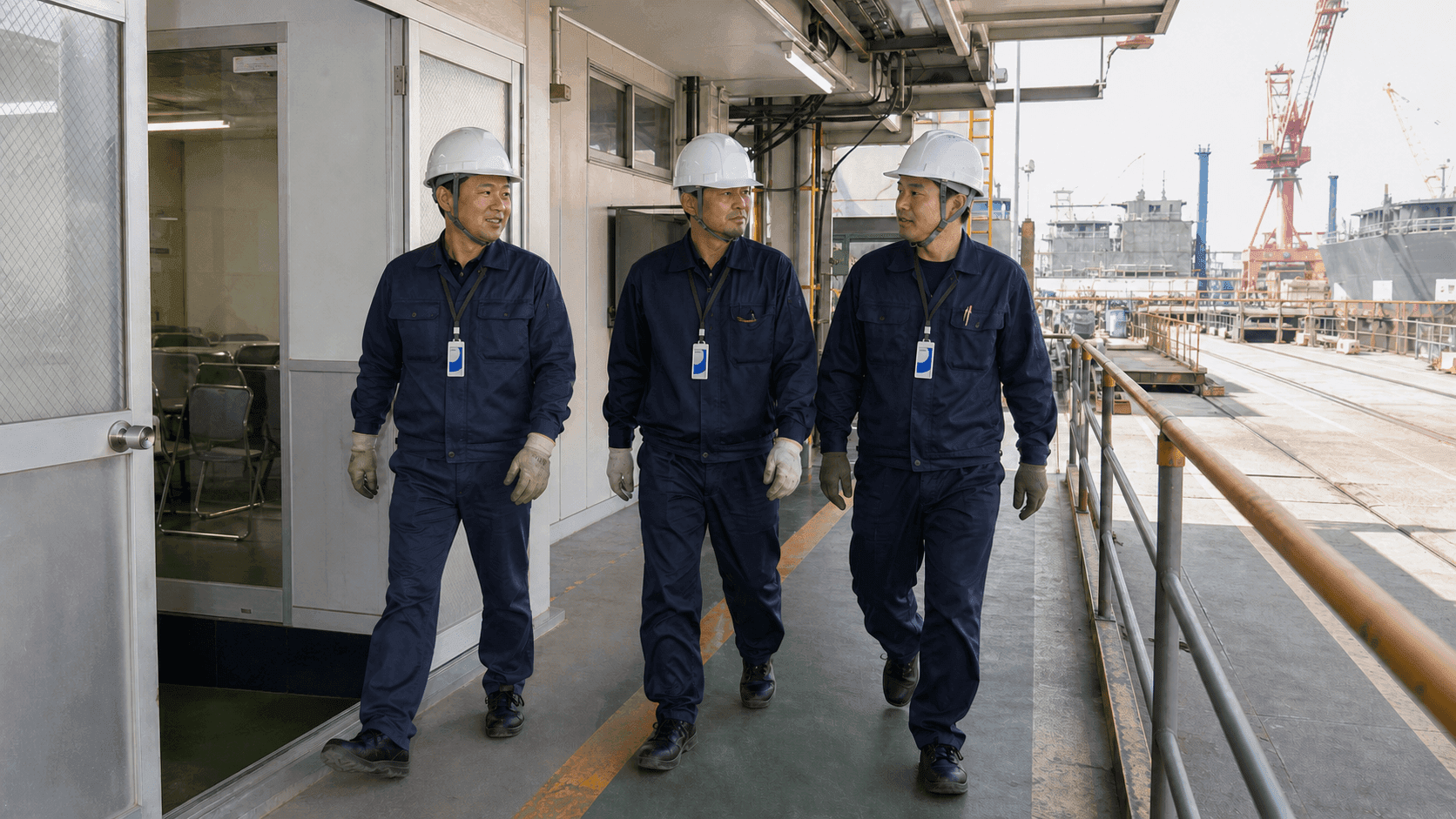
One ID card across both zones
Set up coverage zones in the office building and the dock to link a worker's movement records. The same identification number on the worker's UWB Tag ID records position and time in each zone. Register the affiliation of contractor personnel and the monitoring screen separates them from the main contractor's own staff.
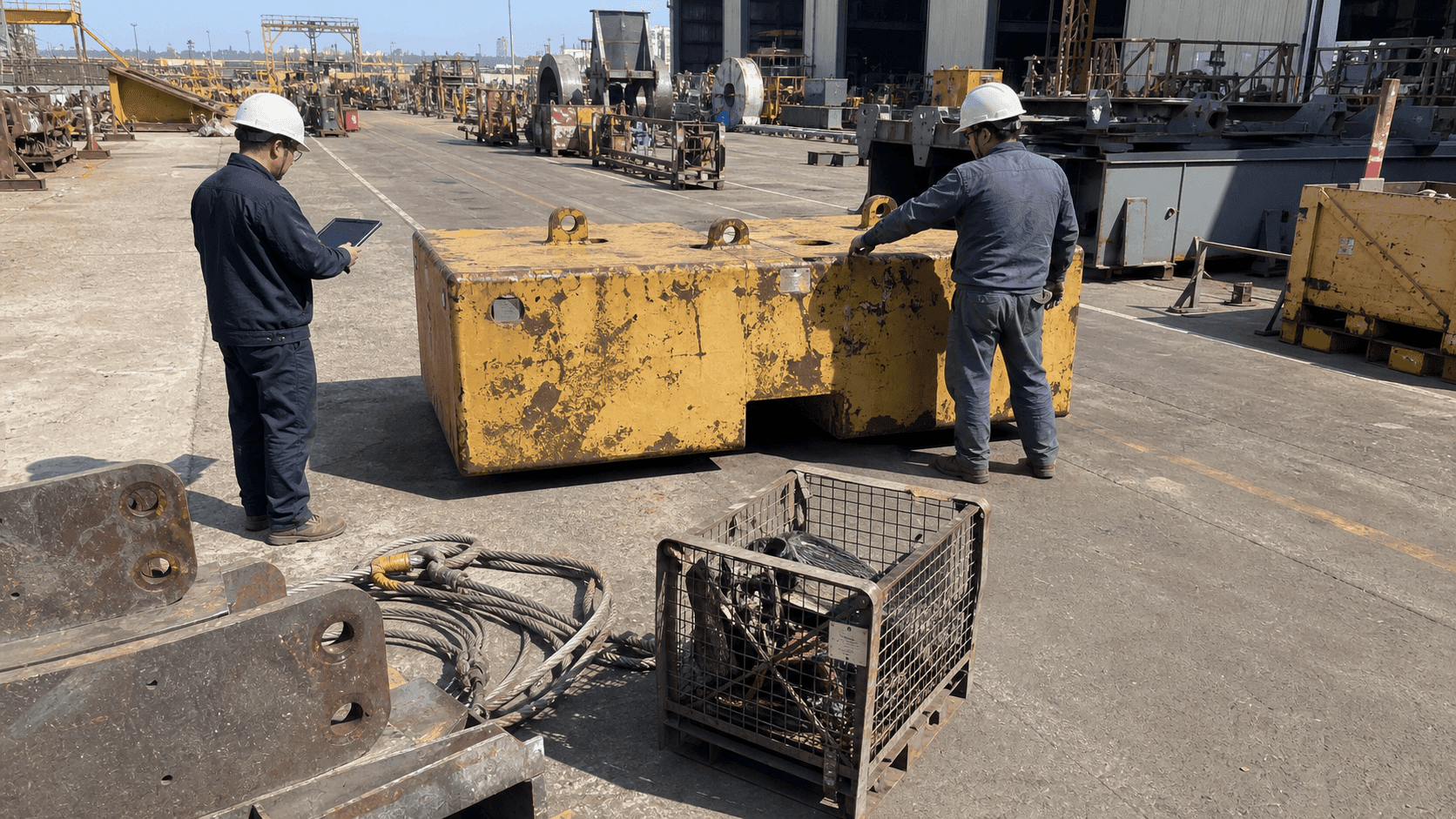
Looking up equipment and tool locations
Enter the equipment number and the screen shows which zone it is in right now. Time spent walking a wide laydown yard to find it drops, so preparing the next job goes faster. The more often a machine moves, as a crane weight does, the larger the gain.
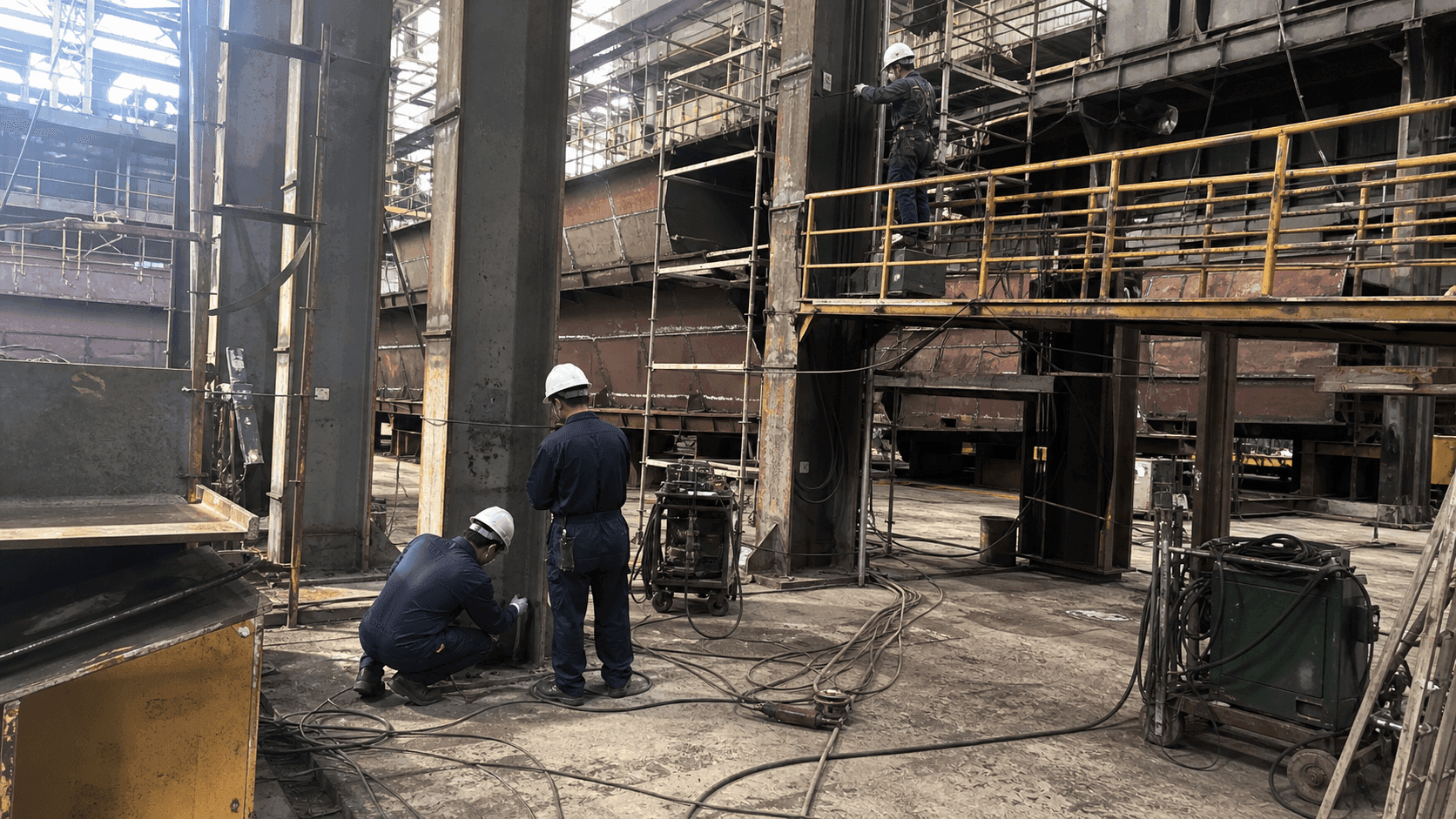
Filling in coverage around the columns
Fill in coverage across stretches that a column or a hull blocks. TwinTracker UWB units are split between the upper and lower part of a column to collect tag signals. Signals change with how hulls and materials are stacked, so placement is adjusted from the reception measured stretch by stretch.
Managing the operating status of equipment
Movement records and idle records are told apart to review how equipment is placed. Once a machine is located, a move request goes to the crew responsible for it.
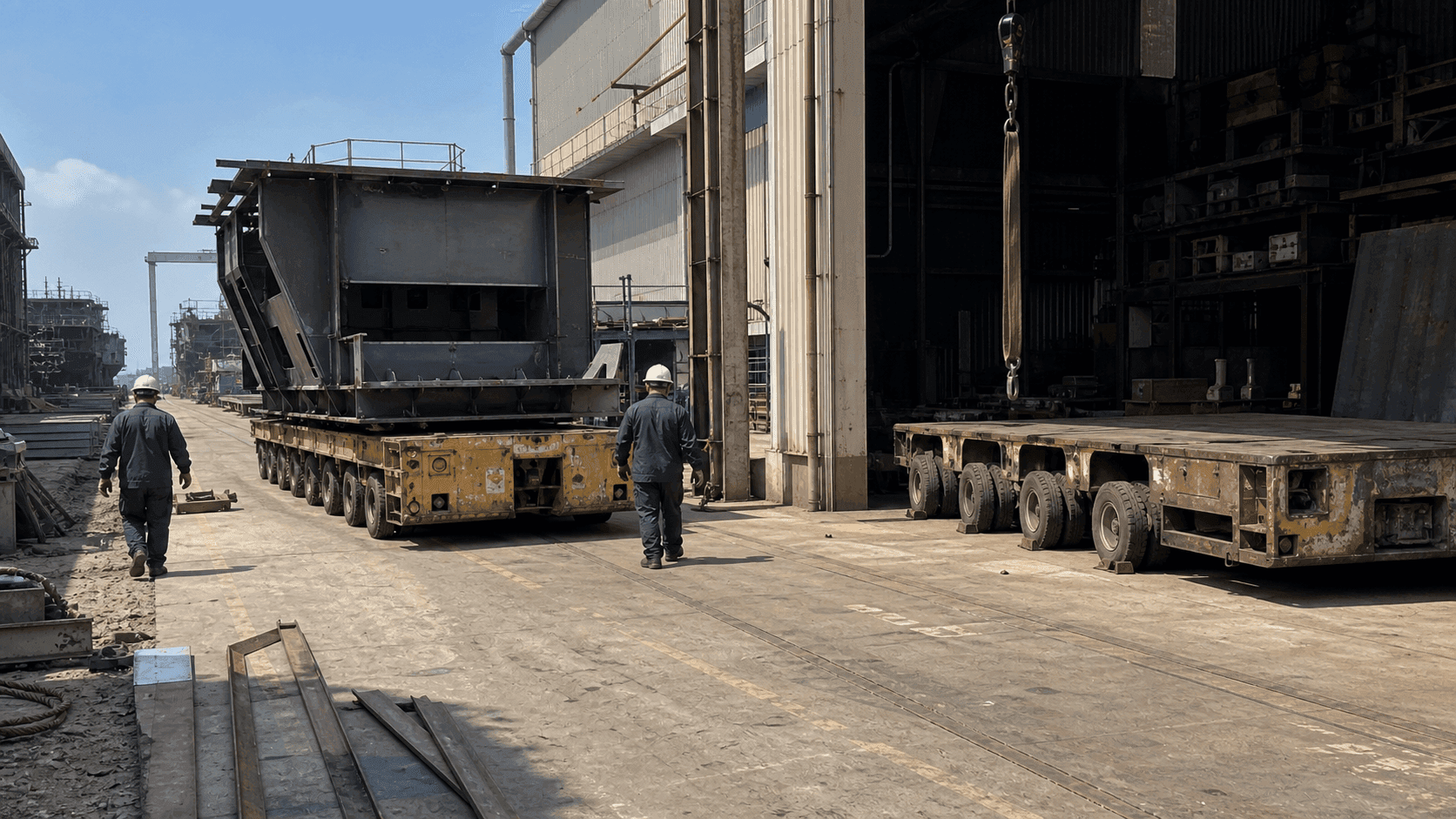
Checking whether equipment is moving or idle
Check on the monitoring screen whether a crane weight or a large tool is moving. Movement signals from the UWB Tag are read over the decision window set for each machine to separate moving from idle. Staff read location records against work assignments to judge whether a machine is in use and whether to move it.
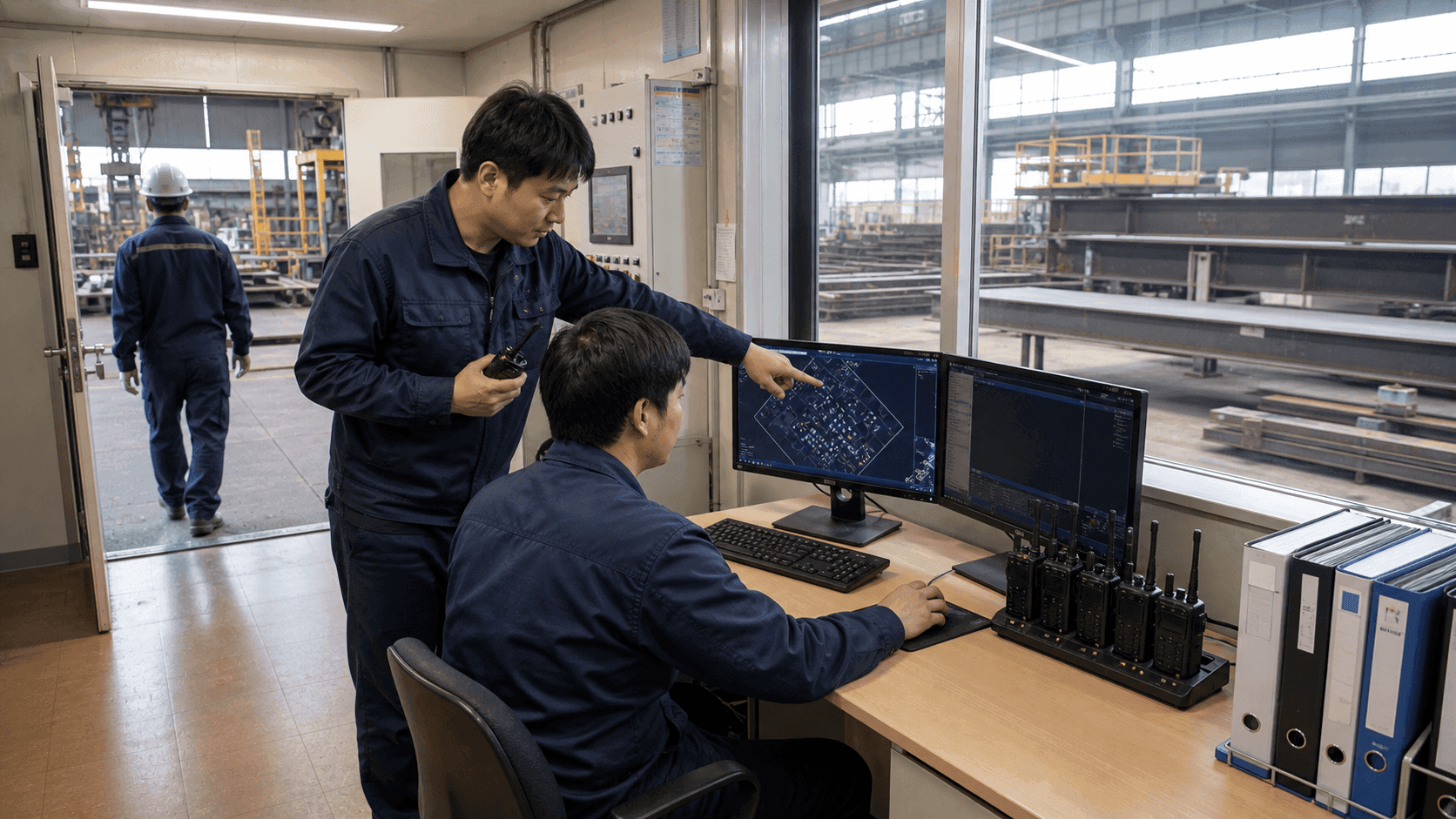
Move requests sent from the screen
Once you have found a machine, send the request to move it straight from the screen. Pick the target and the crew that receives it, and the time of the request and the outcome are recorded together. What used to scatter across radio calls stays in one place to look back on later.
Looking up equipment that has not moved
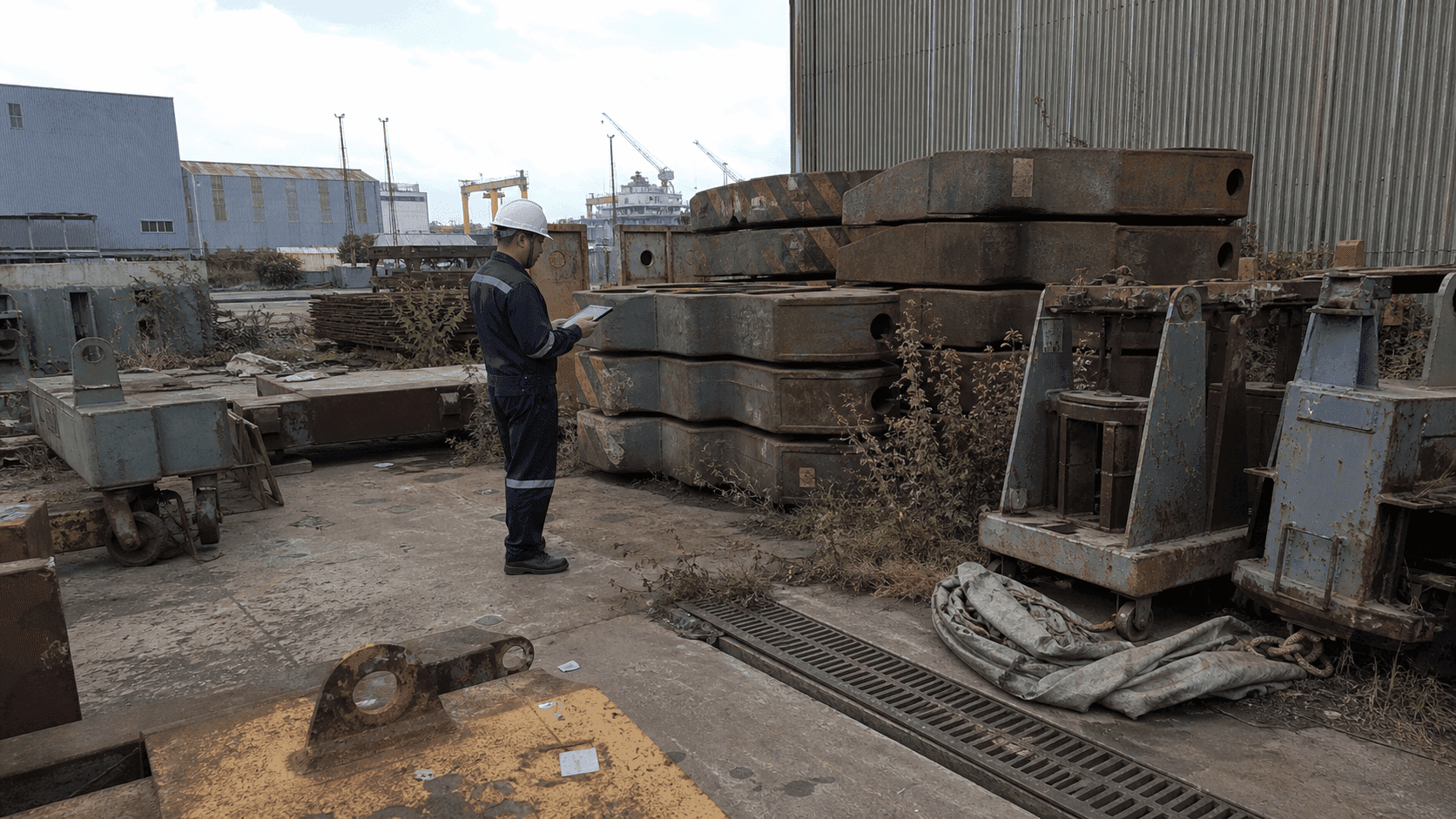
Find machines that have stayed in the same place for a long period and check whether they are in use. The location records held in ORBRO Server list machines with no movement over the period set for each one. Staff feed what they find on site into equipment placement and maintenance planning.
Connecting zones with no communication line
Send equipment location data even from a laydown yard where running a communication line is difficult. A mobile network unit carries what the coverage zone collects through to the monitoring screen. This applies to zones that have the power the unit needs and meet the local mobile network standard.
Recommended Products
Components Based on ORBRO OS
Each solution operates with various products connected on top of ORBRO OS. Configurations can be flexibly adjusted depending on the scope of application and on-site conditions.
UWB Location Tracking
UWB Location Tracking
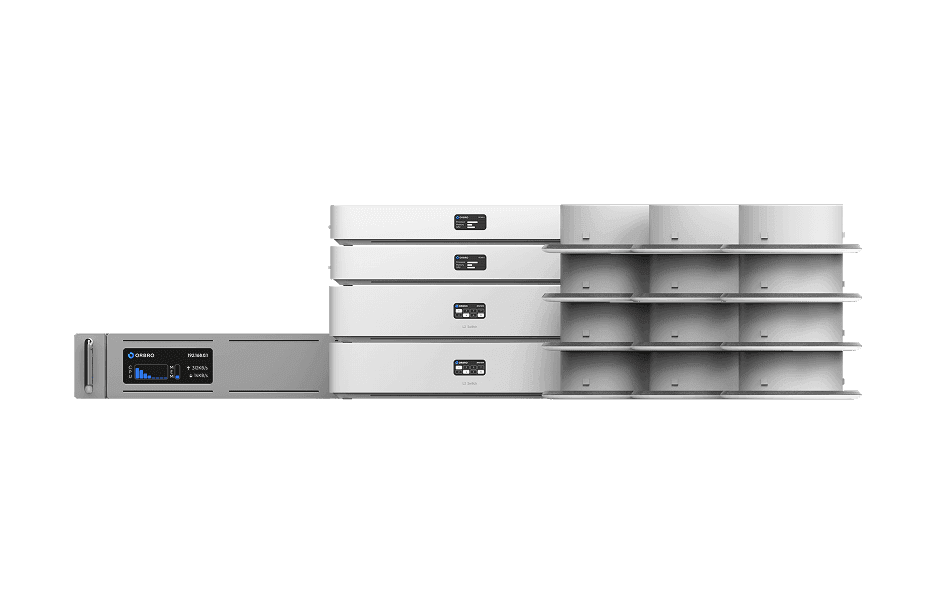
Enhance worker safety and precisely manage the movement of assets and equipment through real-time tracking, improving productivity and operational efficiency at the same time.
Learn More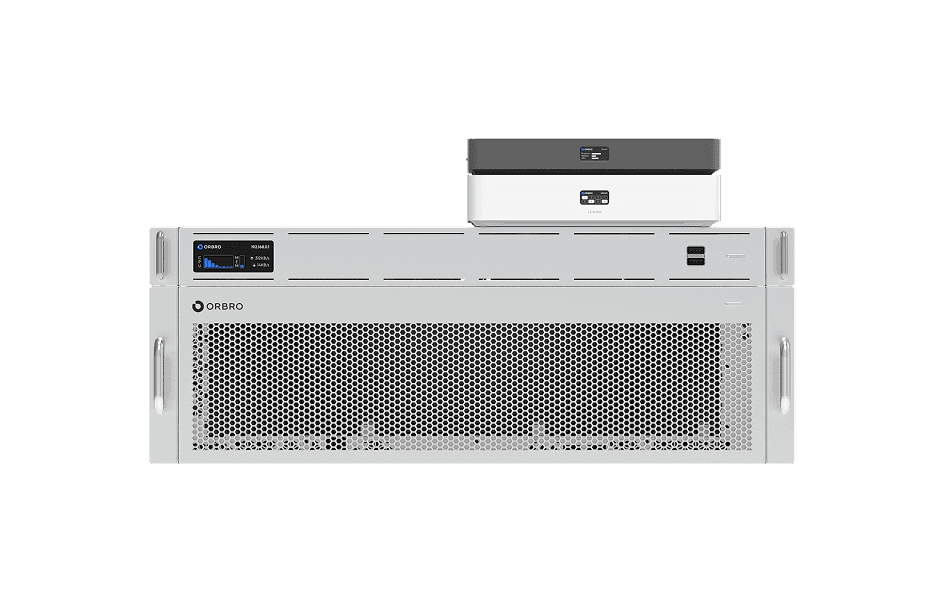
Worker Safety Management
Worker Safety Management
Automatically detect events such as falls, collapses, and intrusions. Alerts are sent immediately and situations are recorded to strengthen site safety and support rapid response.
Learn More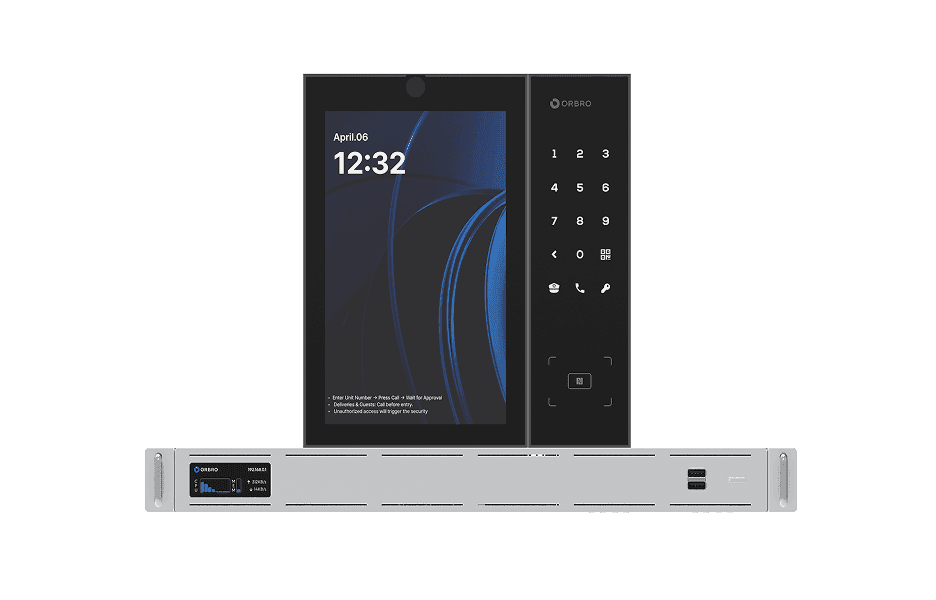
Access Control System
Access Control System
The ORBRO access control system supports multiple authentication methods including facial recognition, mobile access, passwords, and video calls via Access Pro devices.
Learn More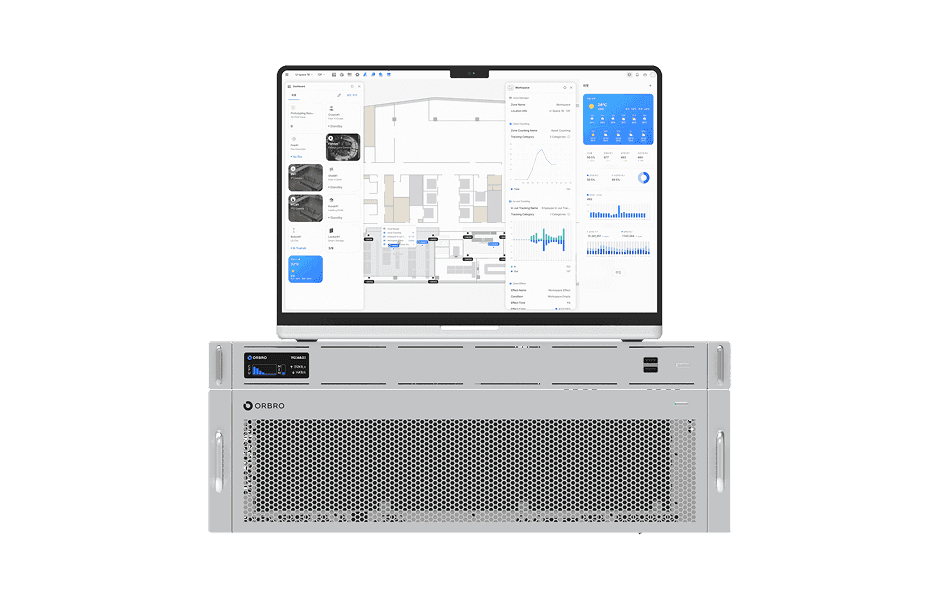
ORBRO OS2
ORBRO OS2
Align location, video, and sensor data on a spatial layer to turn all on-site situations into a single operational workflow.
Learn More