Healthcare Solution
Patient Elopement Detection
Notify staff before a patient leaves an authorized area and locate required medical equipment without delay.

Track patient location, alert on unauthorized movement, and locate medical equipment
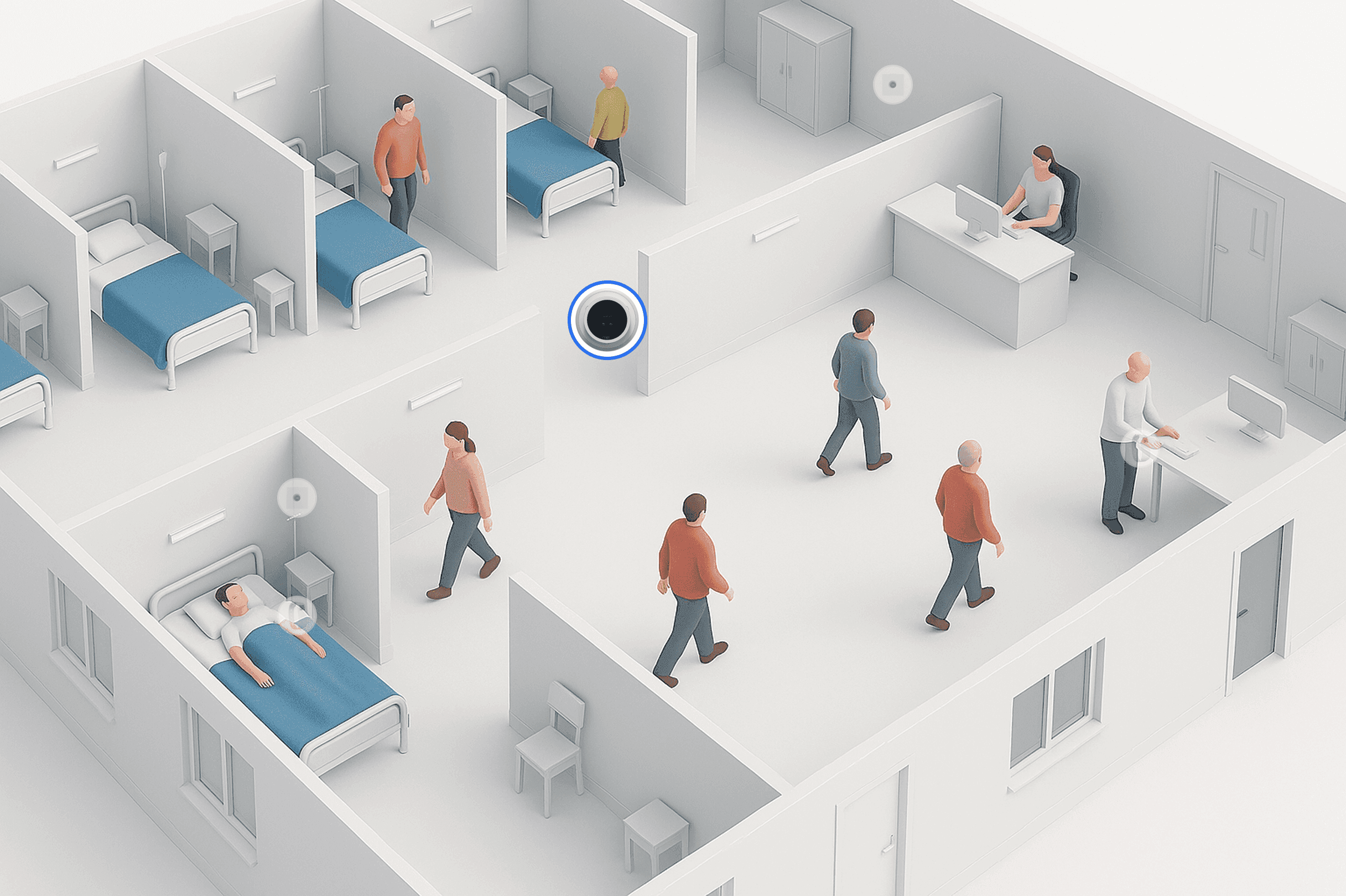
Patients wear a Medical Wristband and receivers are installed at elevator halls and in front of stairwells. The on-premises server distinguishes entry into a warning zone from departure from a permitted zone and notifies the nurse station. Band removal detection applies to device configurations that include the feature.
TwinTracker BLE
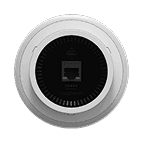
An indoor reader that receives tag signals and determines location. Where it goes matters more than spreading readers evenly across the ward, so placing them first at points that become exit routes, such as elevator halls, the area in front of stairwells and ward entrances, is what makes an alert before someone leaves possible. Radio interference with medical equipment is reviewed before installation.









Patient Exit-Route Detection
Elevator halls and the area in front of stairwells are set as warning zones that trigger an alert on entry. This runs separately from permitted-zone departure within the ward, and band removal detection applies to supported devices.
Immediate warning when a restricted area is entered
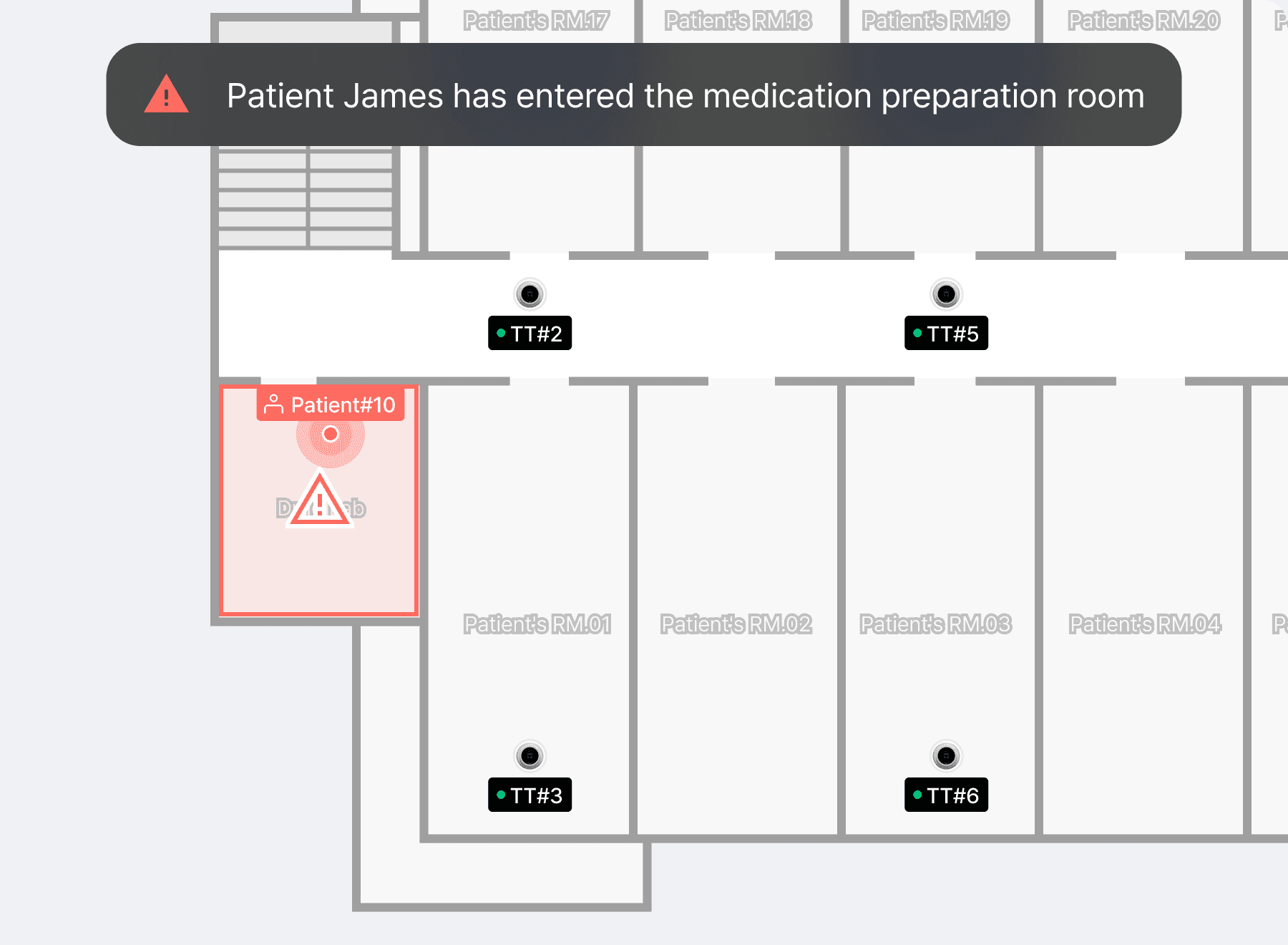
When a patient enters an area closed to patients, such as a medication preparation room or a treatment room, a warning appears on the nurse station screen at once. Where the detection points go matters more than spreading TwinTracker BLE evenly across the ward, so start with these areas and the exit routes. Radio interference with medical equipment is reviewed before installation.
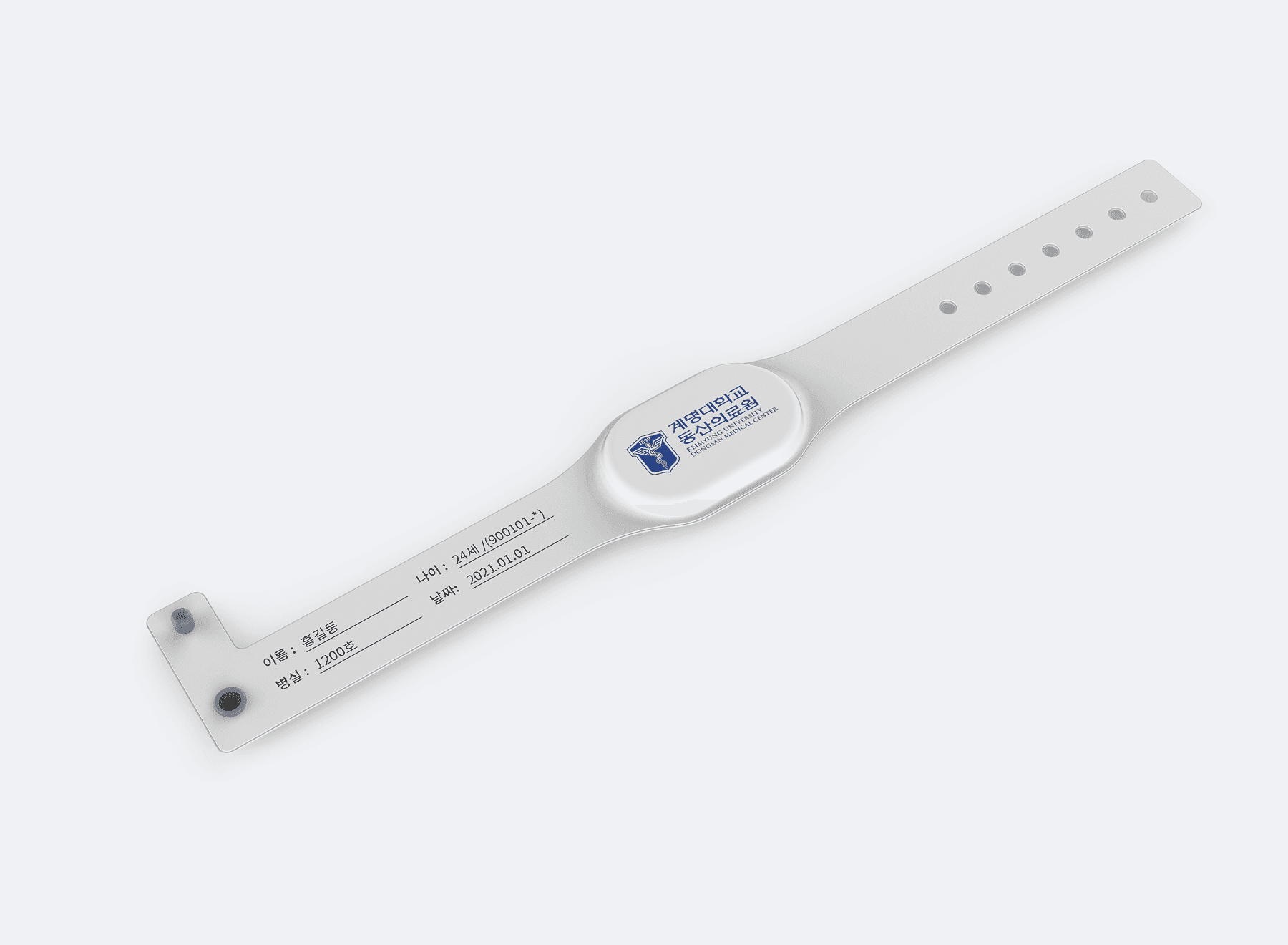
Patient wristband tag with removal detection
Follow a patient's location inside the ward with the wearable band tag. The Medical Wristband has a similar shape to the patient identification band and is made of material suited to hospital disinfection procedures. Removal detection, which reports a band that has come loose from the wrist, applies to device configurations that include the feature.
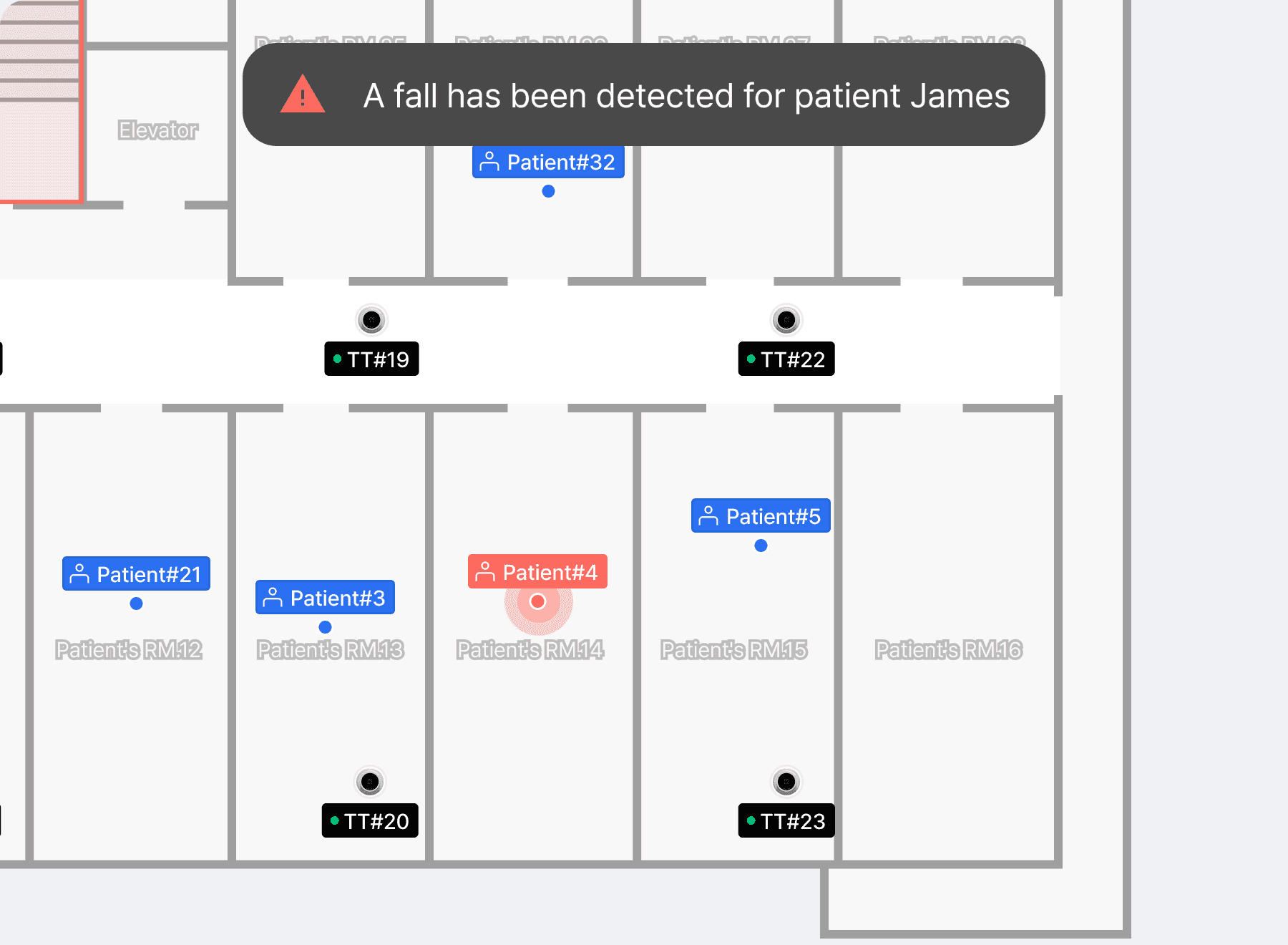
Patient fall detection from camera video
Identify a patient fall from camera video and notify the person in charge. With a video analytics configuration, the detected location and time are sent as an alert to help nursing staff check the scene. Detection zones are adjusted for areas hidden by beds and furniture and for the camera angle.
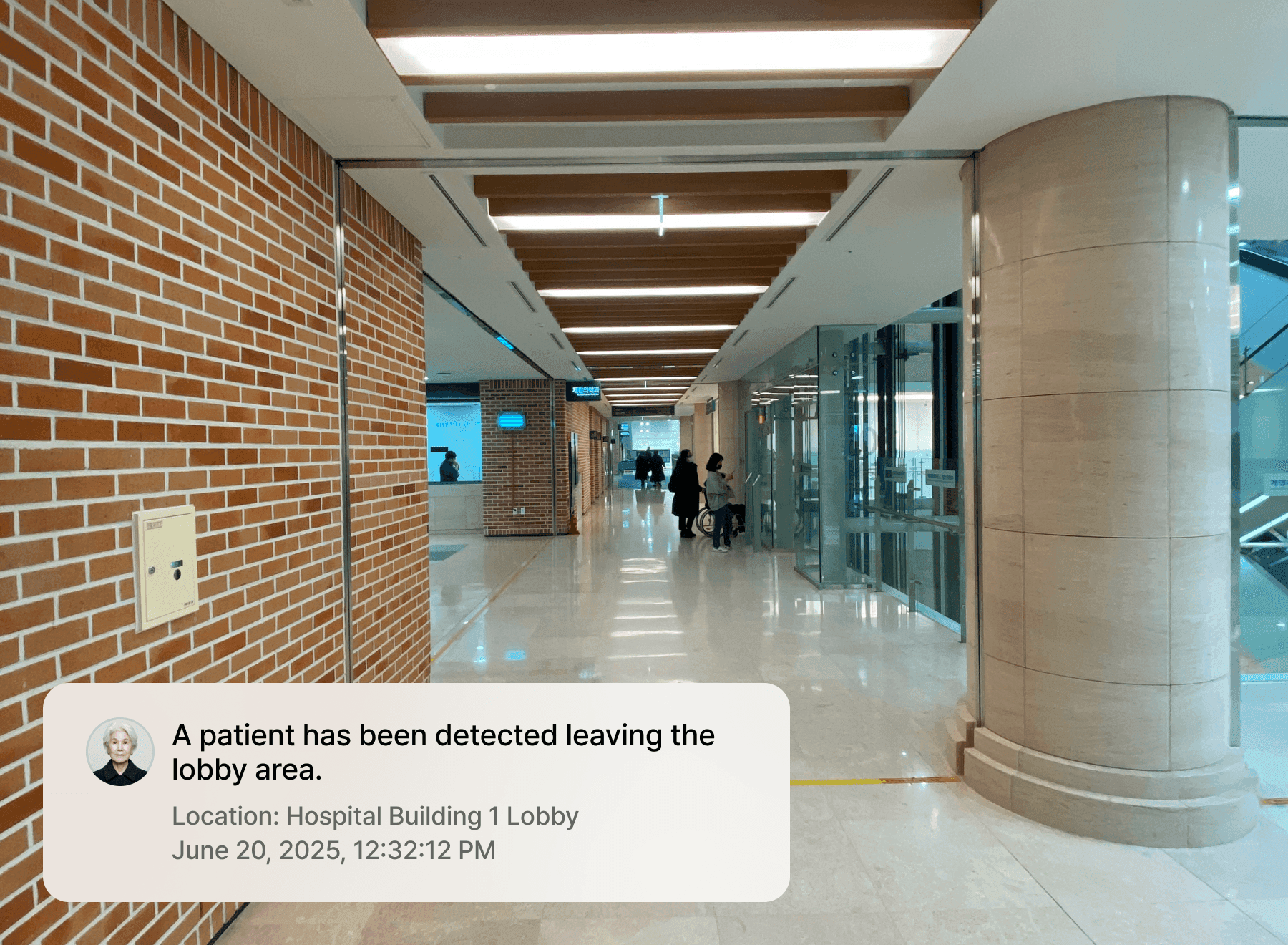
Advance alert before a patient leaves the ward
Receive an alert and respond when a patient enters the warning zone at an elevator hall or in front of a stairwell. The on-premises server distinguishes warning zone entry from each patient's permitted-zone departure and passes it to the nurse station. Patient information stays inside the hospital, and zone boundaries are set to match the ward layout.
Medical Equipment Location Search
See room calls and the location of mobile equipment on the same screen. Patient elopement and call alerts go to the nurse station and mobile according to the assigned ward and shift.
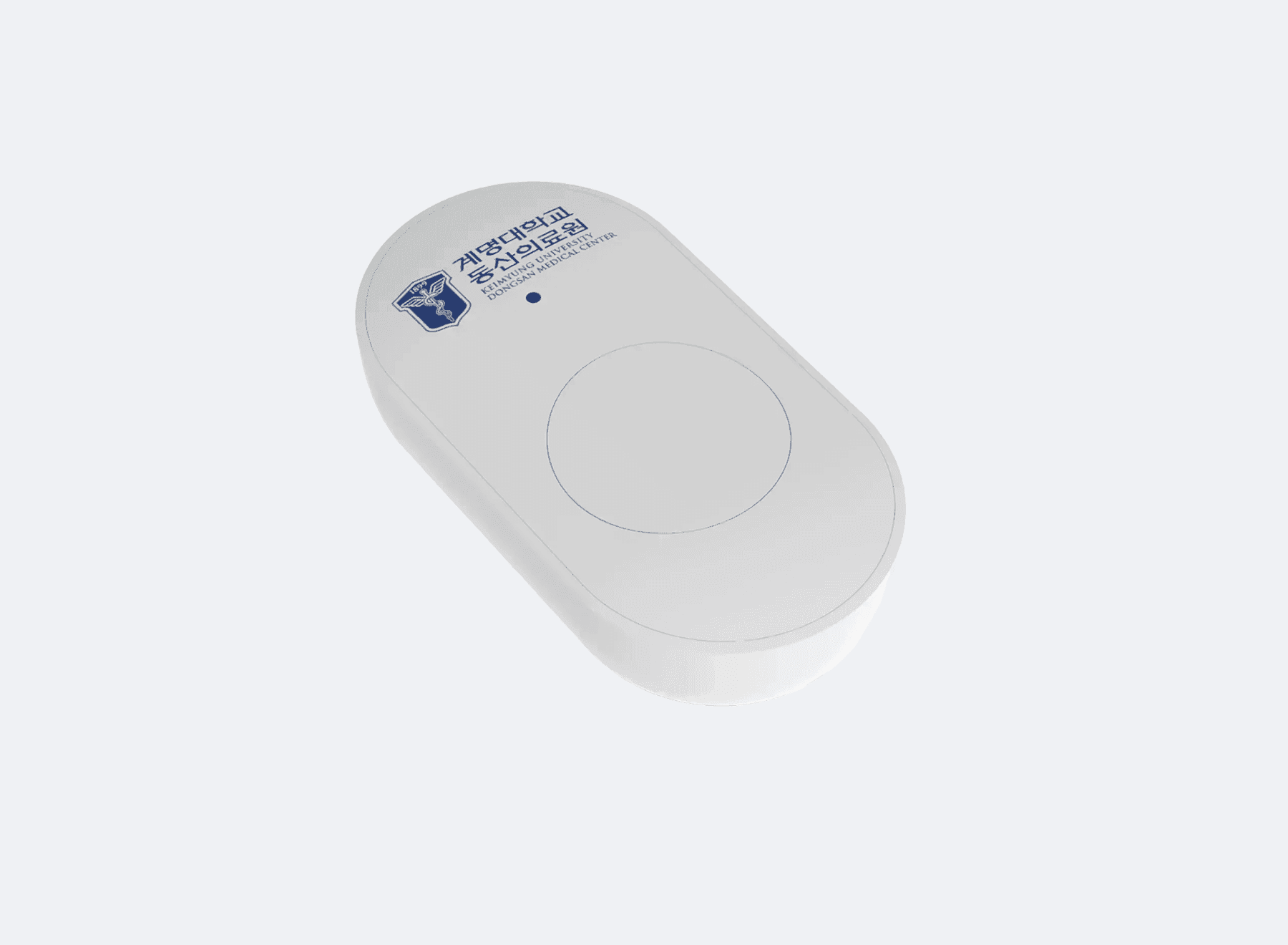
Room call button sends the location with it
Pressing the Safety Bell installed in patient rooms and treatment rooms sends the location it was pressed from with the call. The area the call came from is already on screen, so nobody has to check room by room. The alert goes to the nurse station and mobile at the same time, and if a call system is already in use, run the two together.
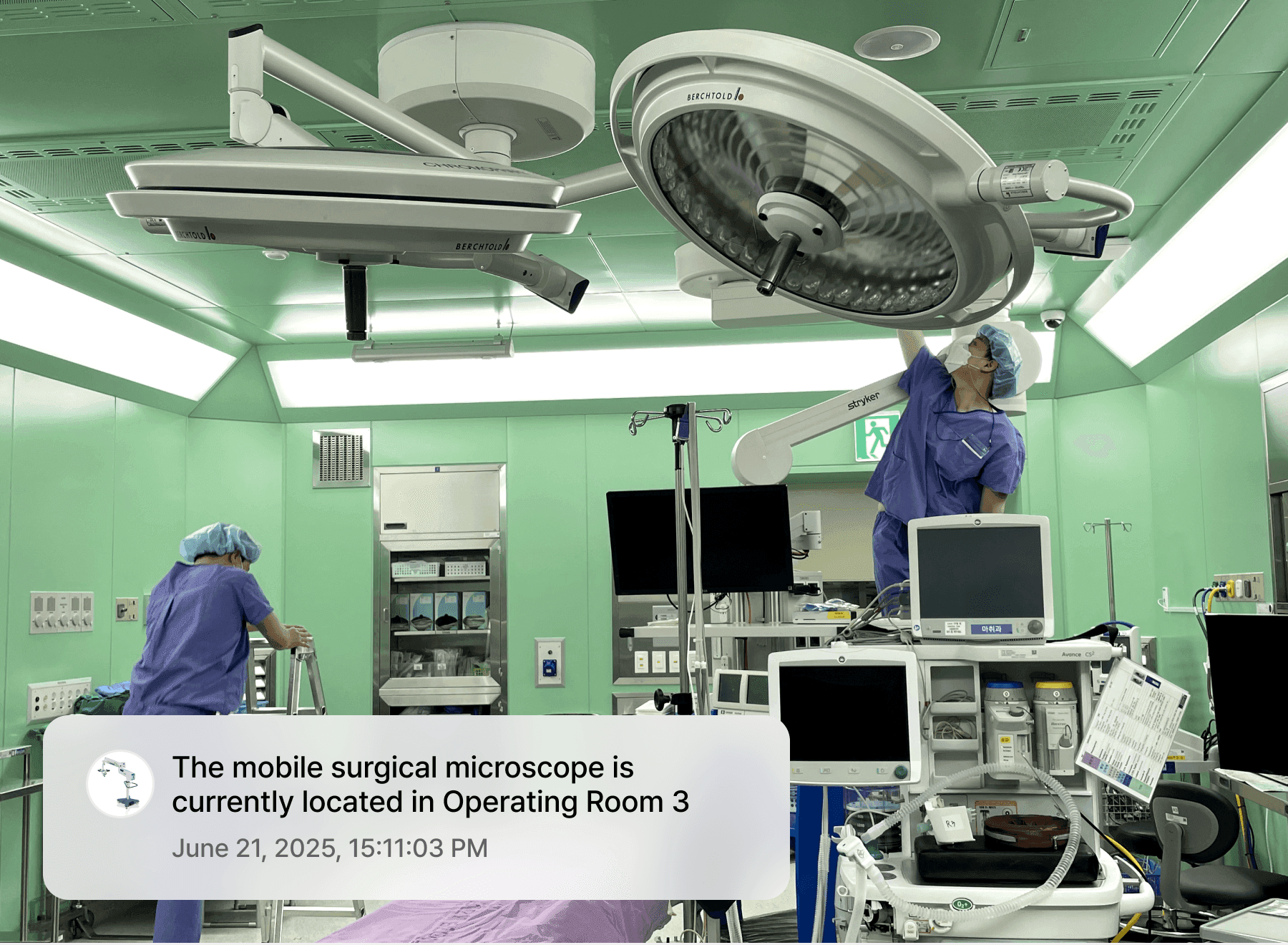
Search equipment by name for its last known area
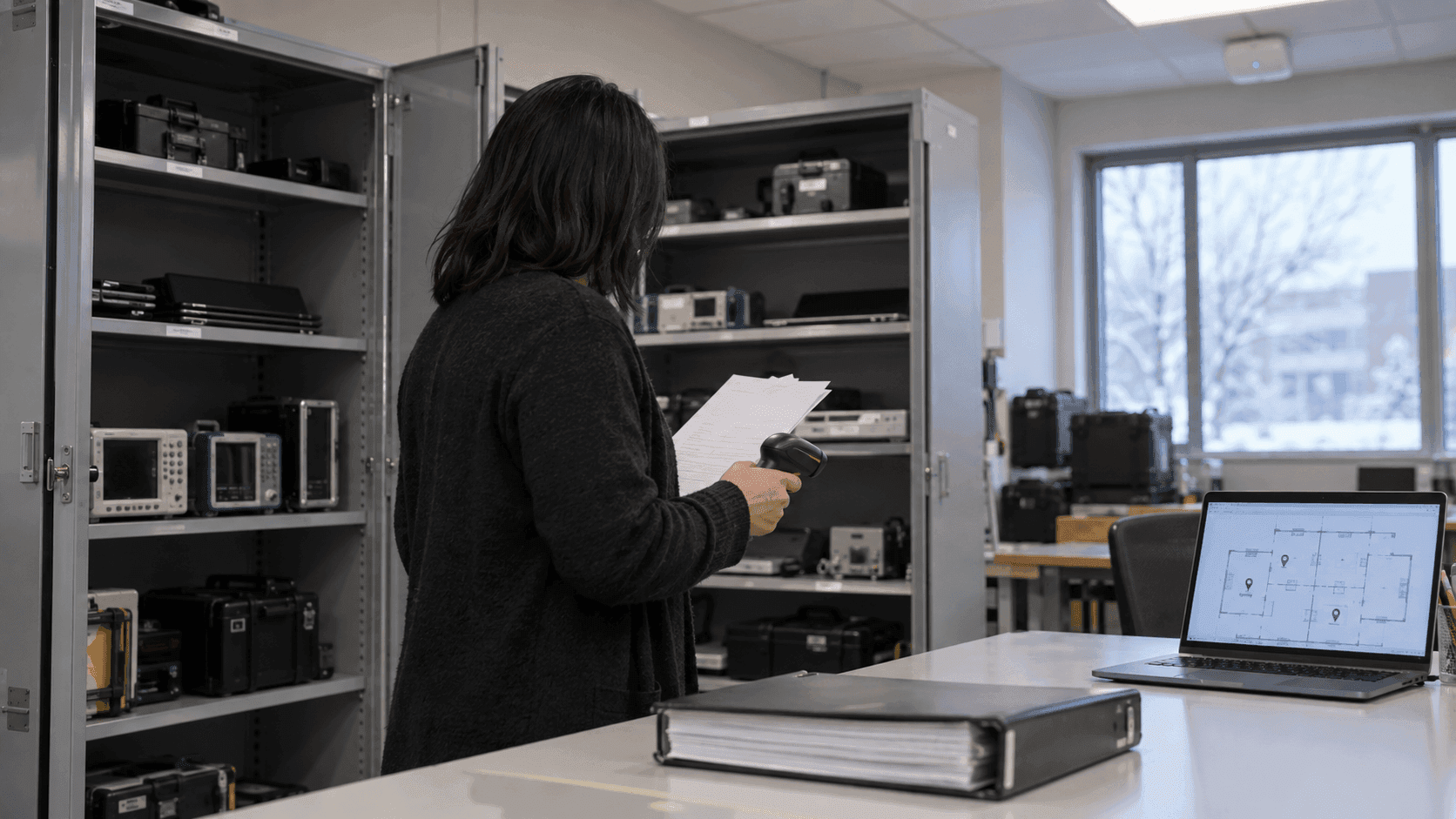
Dedicated tags are attached to mobile medical equipment that moves between wards, such as infusion pumps, portable imaging units and surgical microscopes. Searching by equipment name or asset number returns the area and time where it was last recognized, which cuts the time spent hunting for equipment at night when staffing is thin. Viewing running hours together with idle periods makes it possible to change placement instead of buying more units.
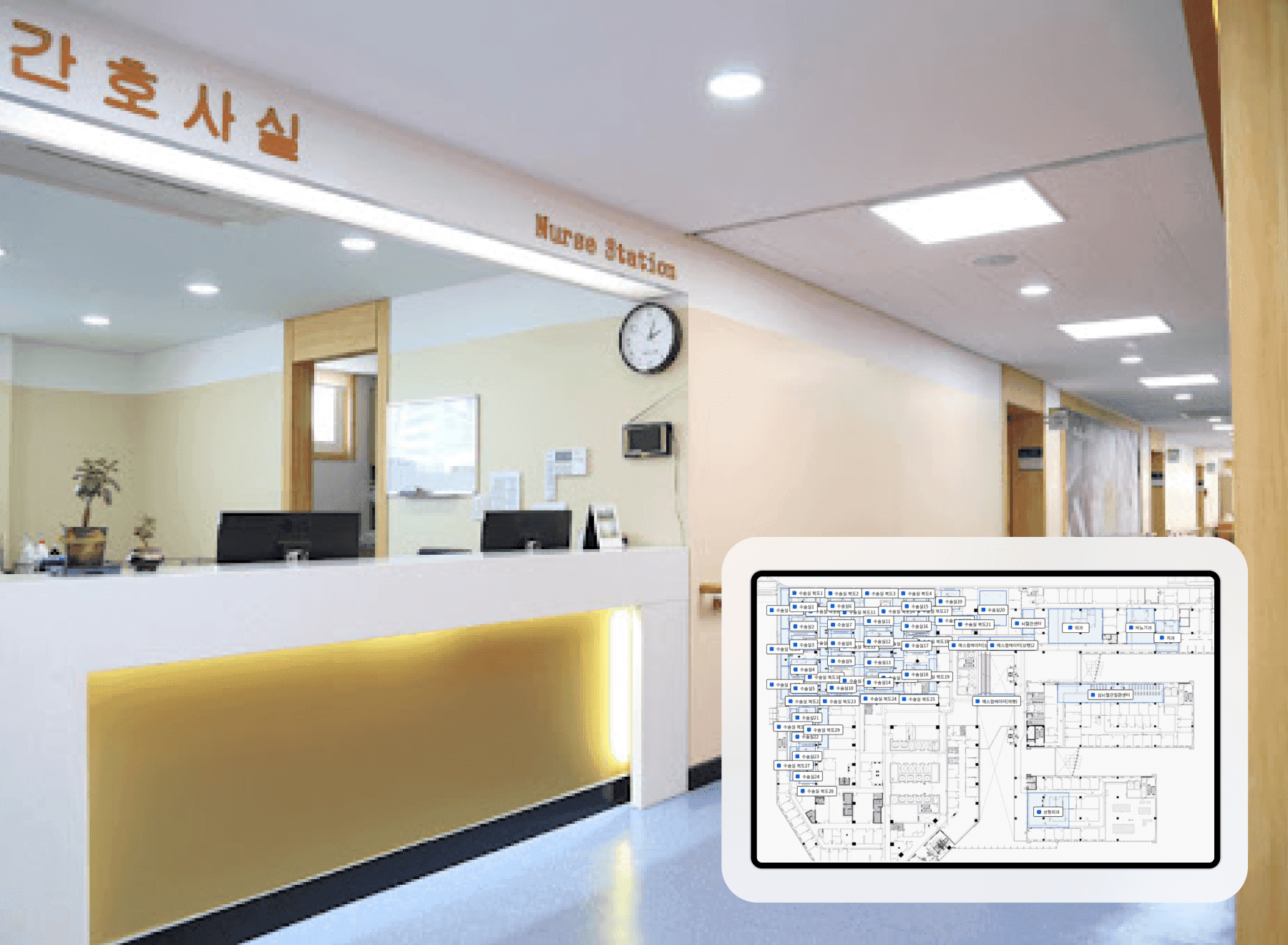
Nurse station and mobile receive alerts together
Alerts are delivered to the nurse station screen and the staff handset together. During thinly staffed hours the station is sometimes empty, so putting the alert on one screen alone risks missing the moment it matters. Recipients are set separately by shift and assigned ward, and whether the alert was acknowledged remains in the history.
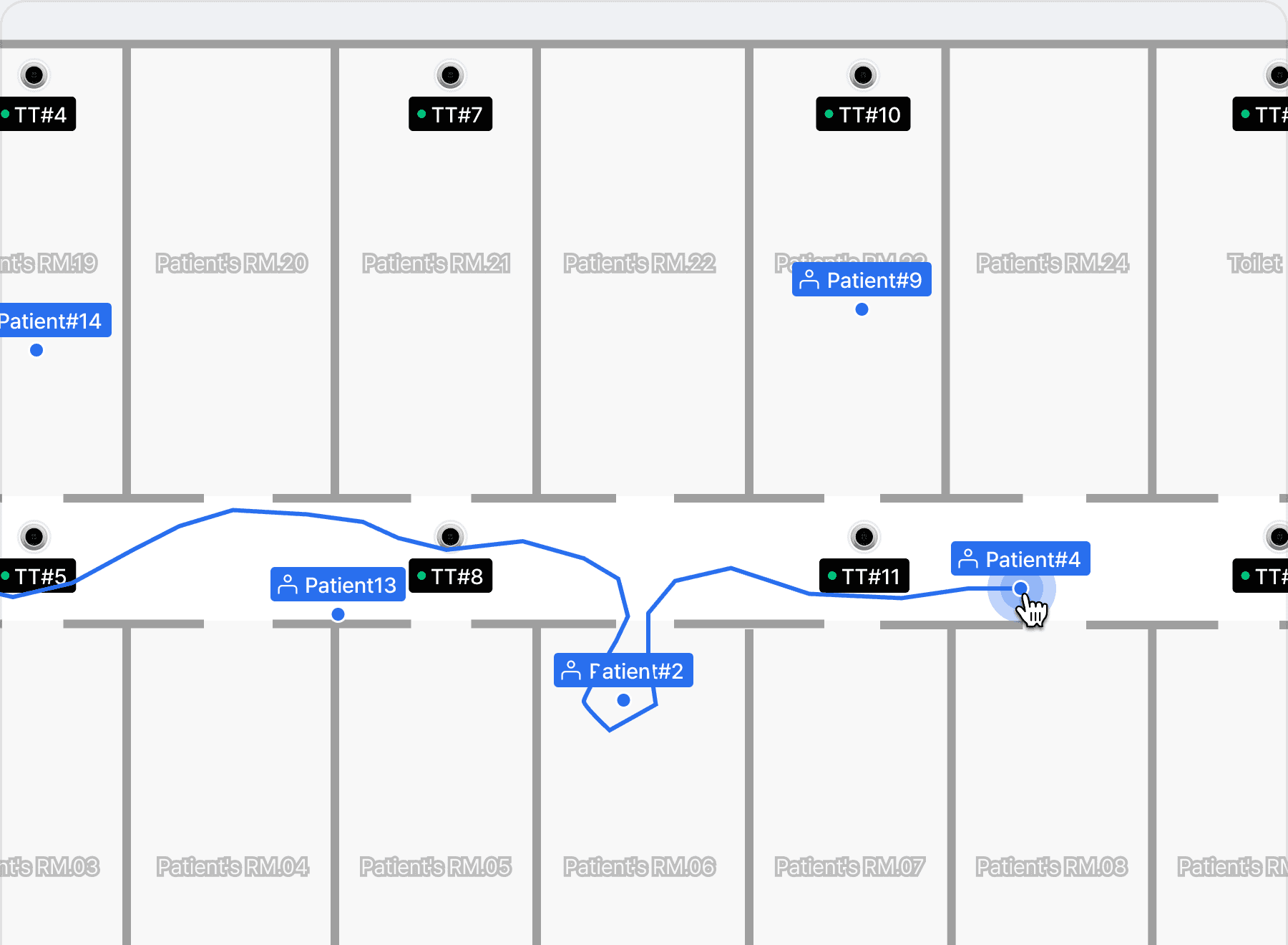
Accumulated movement paths inform ward operations
Which areas patients and equipment passed through, and in what order, builds up into material for reviewing how the ward runs. Location tracking, alerts and chart integration often sit under different approval lines inside a hospital, so splitting them into separate items lets you start with whichever is approved first. Check how far the chart vendor opens its system before proceeding with chart integration.
Recommended Products
Components Based on ORBRO OS
Each solution operates with various products connected on top of ORBRO OS. Configurations can be flexibly adjusted depending on the scope of application and on-site conditions.
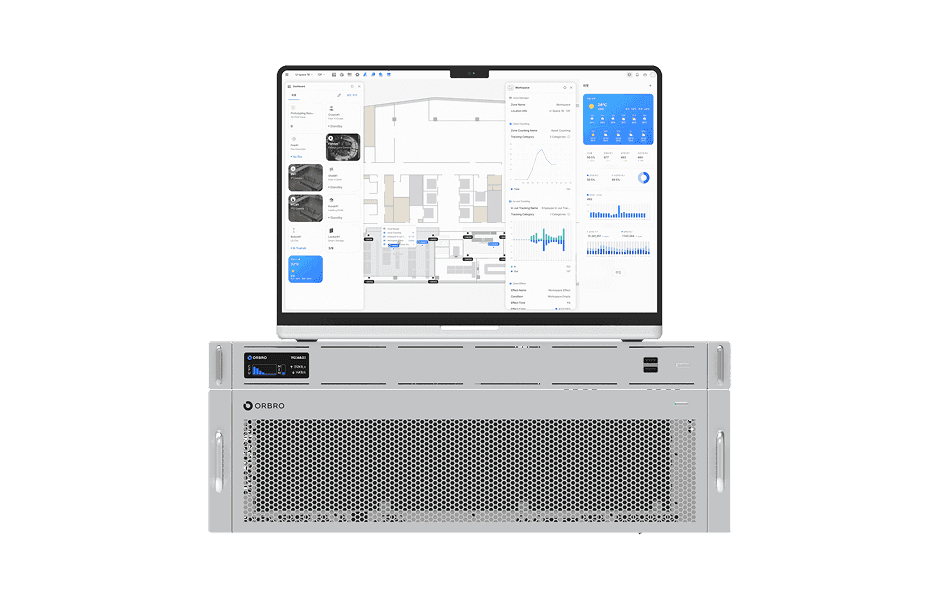
ORBRO OS2
ORBRO OS2
Align location, video, and sensor data on a spatial layer to turn all on-site situations into a single operational workflow.
Learn More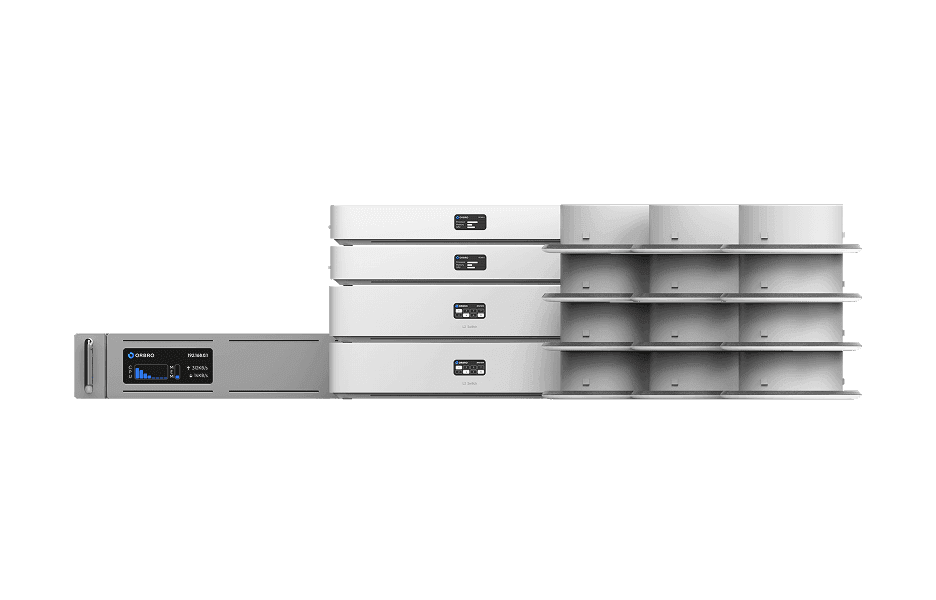
BLE Location Tracking
BLE Location Tracking
BLE is an optimal technology for managing large-scale assets simultaneously at low cost. It enables real-time monitoring of thousands of assets, supporting efficient operations and cost reduction.
Learn More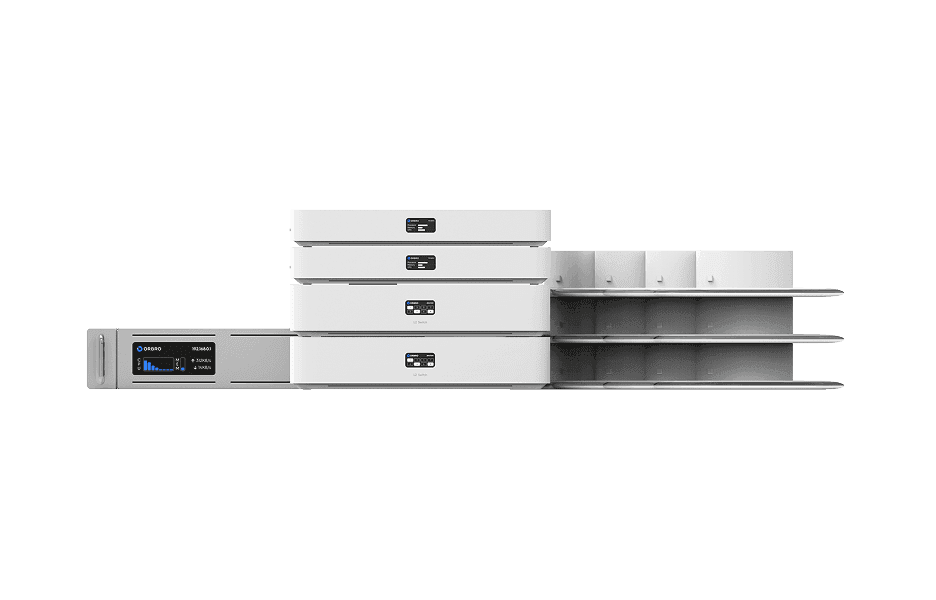
AoA Location Tracking
AoA Location Tracking
Beyond simple coordinates, this solution leverages signal angles to precisely identify movement direction and paths. It supports access control, enhanced security, and customer flow analysis as a next-generation RTLS solution.
Learn More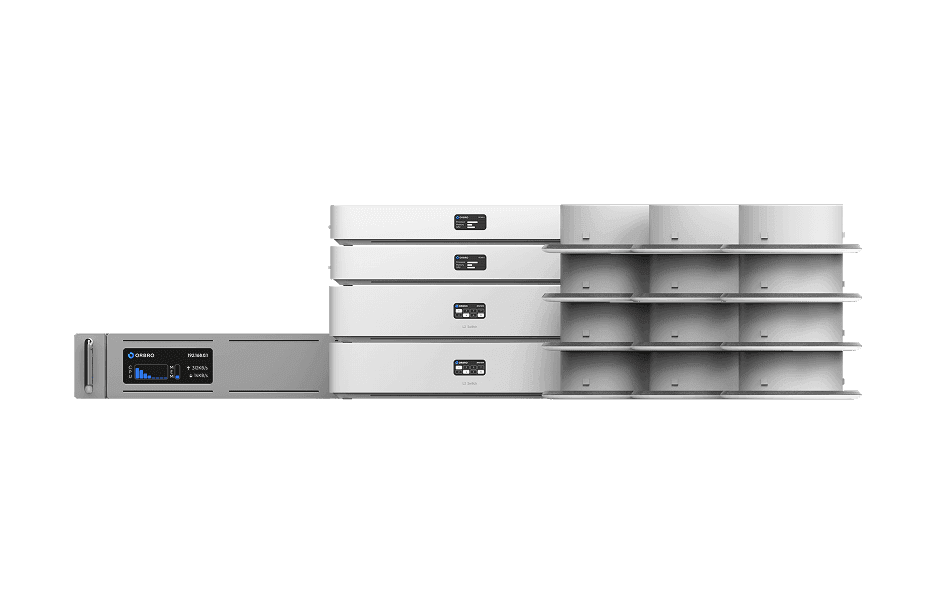
UWB Location Tracking
UWB Location Tracking
Enhance worker safety and precisely manage the movement of assets and equipment through real-time tracking, improving productivity and operational efficiency at the same time.
Learn More