Public Sector Solution
Intersection Collision Prevention
Reduce pedestrian accidents and keep response history as audit material. In operation since 2018 at 177 sites for 31 client organizations.

Analyze pedestrian and vehicle direction and alert both sides to collision risk
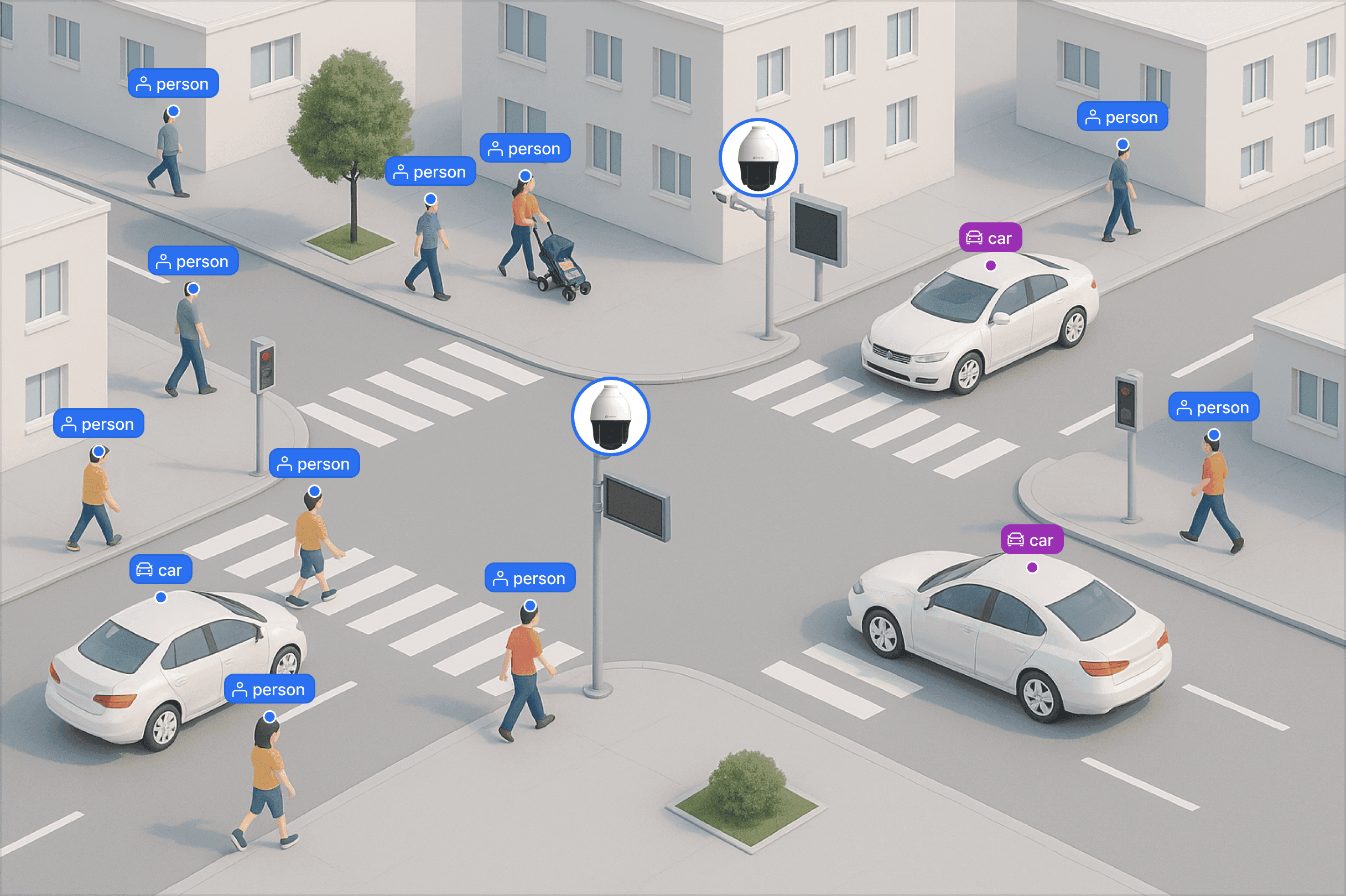
ORBRO Edge Pro separates and tracks people, vehicles and two-wheelers in PTZ Camera video. It calculates time to collision from path and speed and warns according to the risk threshold. Warnings go out to both sides at once through display boards and speakers, and continue even if the network connection drops.
PTZ Camera
Mounted where it looks down on the intersection, it captures the area in front of the crosswalk together with the approach lanes. The area one unit must cover and the direction a warning must be visible from are different, so the field of view and the display board's sightline are drawn on the same plan and checked before installation. Placement follows the intersection type and approach lanes, and whether existing security CCTV can be used is also judged at this stage.









Intersection Collision Risk Detection
A single unit detects eight risks together, including right-turn blind spots and school zone incursions. Detection to warning finishes within one second and continues on local judgment even if the network drops.
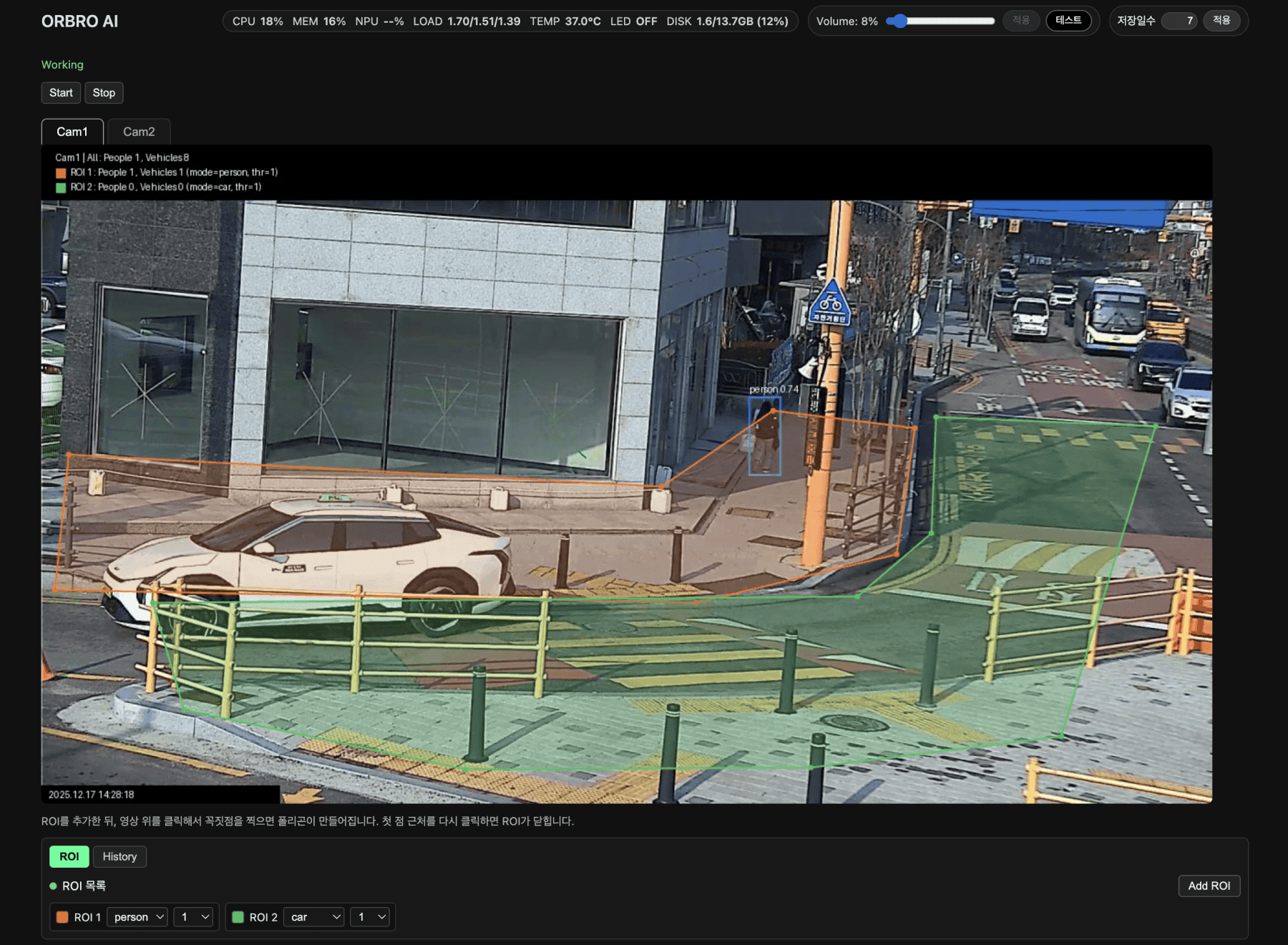
People, vehicles and two-wheelers recognized
The AI camera separates and tracks bicycles and kick scooters as distinct objects, not only people and vehicles. Which areas to watch is set by drawing zones on the screen, and each zone can carry its own target and criteria, so the same equipment handles intersections of different shapes. Low light is trained separately, so recognition works from video alone at night and through rain or fog.
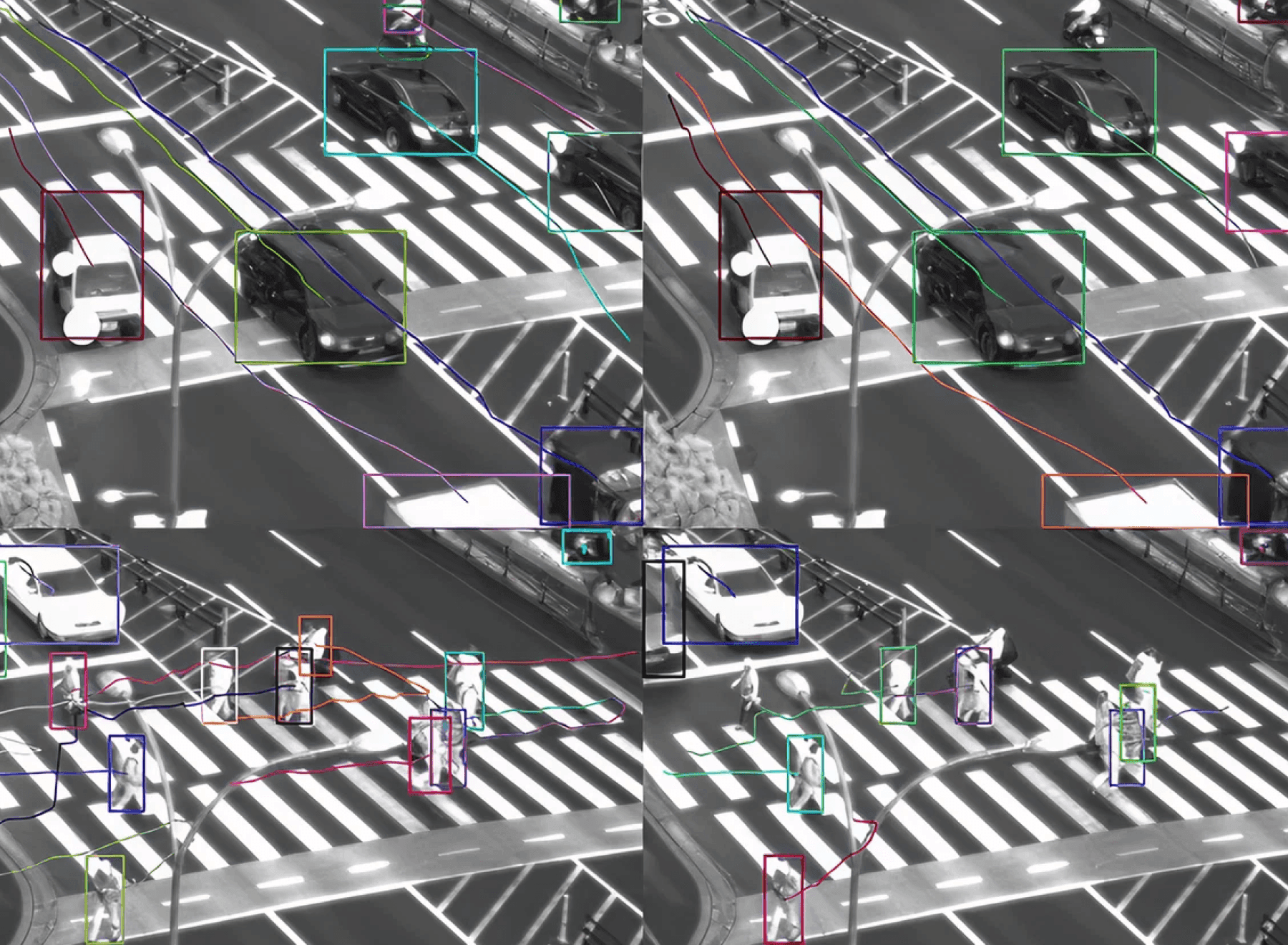
Collision risk predicted from path and speed
The analysis unit at the intersection calculates time to collision from each object's movement path and speed, and declares a risk only when the threshold is crossed. Right-turn blind spots, sudden emergence from side roads, school zone incursions, speeding approaches, jaywalking and group crossings add up to eight risks watched by one unit. The threshold exists because frequent warnings get ignored by drivers.
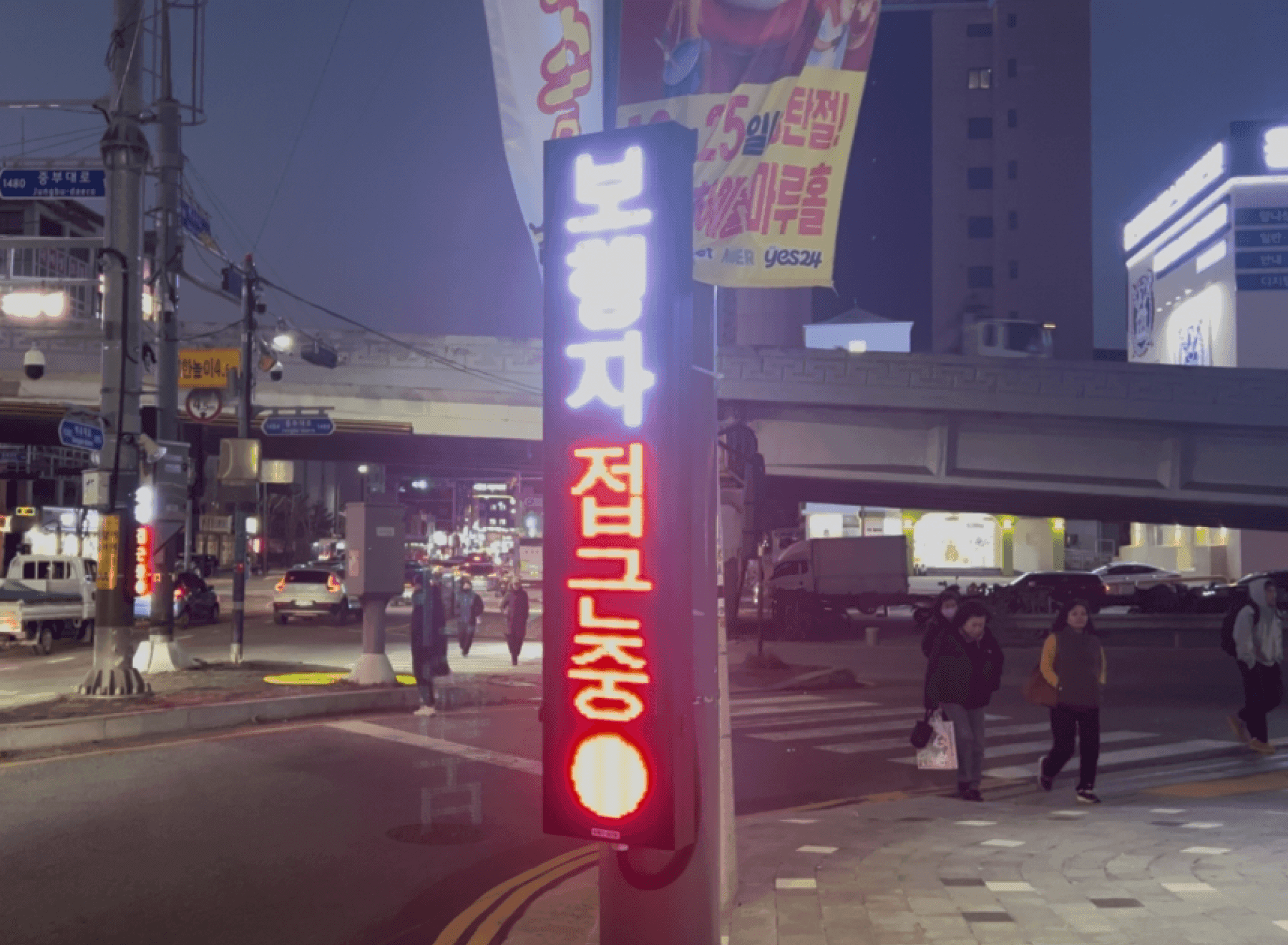
Drivers and pedestrians warned at once
The same unit issues both warnings the moment it decides. The driver-side LED board shows an approaching pedestrian while the pedestrian side shows an approaching vehicle at the same instant, with a floor projector casting the warning onto the ground and a voice speaker sounding alongside. Detection to warning finishes within one second and continues on local judgment even if the network drops.
Running the on-site warning system
On-site equipment analyzes the video and records traffic volume and warning history. Existing cameras are integrated according to their angle and night lighting to build the on-site warning system.
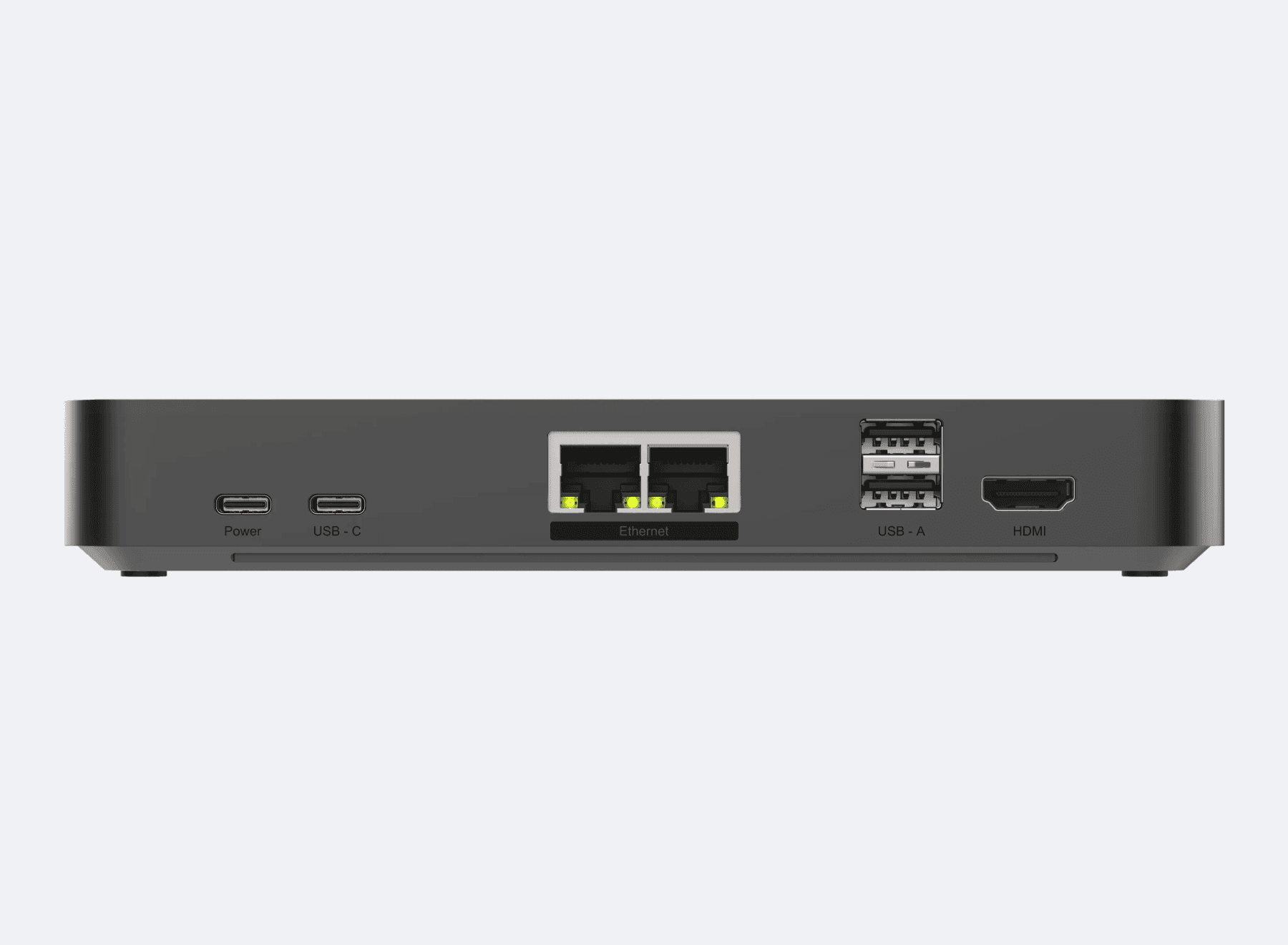
Edge AI computing that analyzes on site
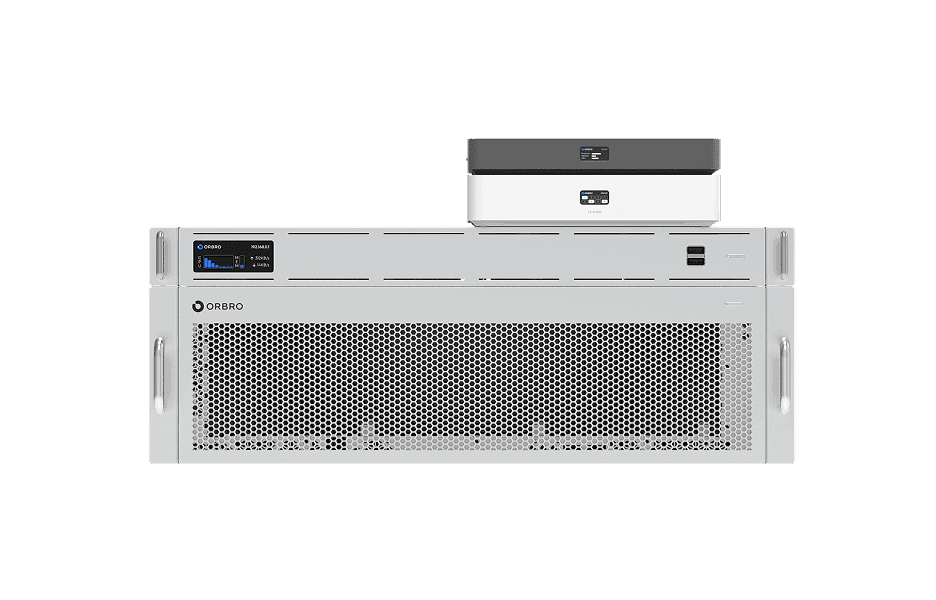
ORBRO Edge Pro with a 50TOPS NPU processes four cameras at once and runs standalone without a server or the cloud. Video that could identify an individual is processed inside this device only, and only statistics and event records leave it, so the point where municipal video projects most often stall in privacy review never arises. An IP66 climate-controlled enclosure protects the equipment from severe cold, extreme heat and dust.
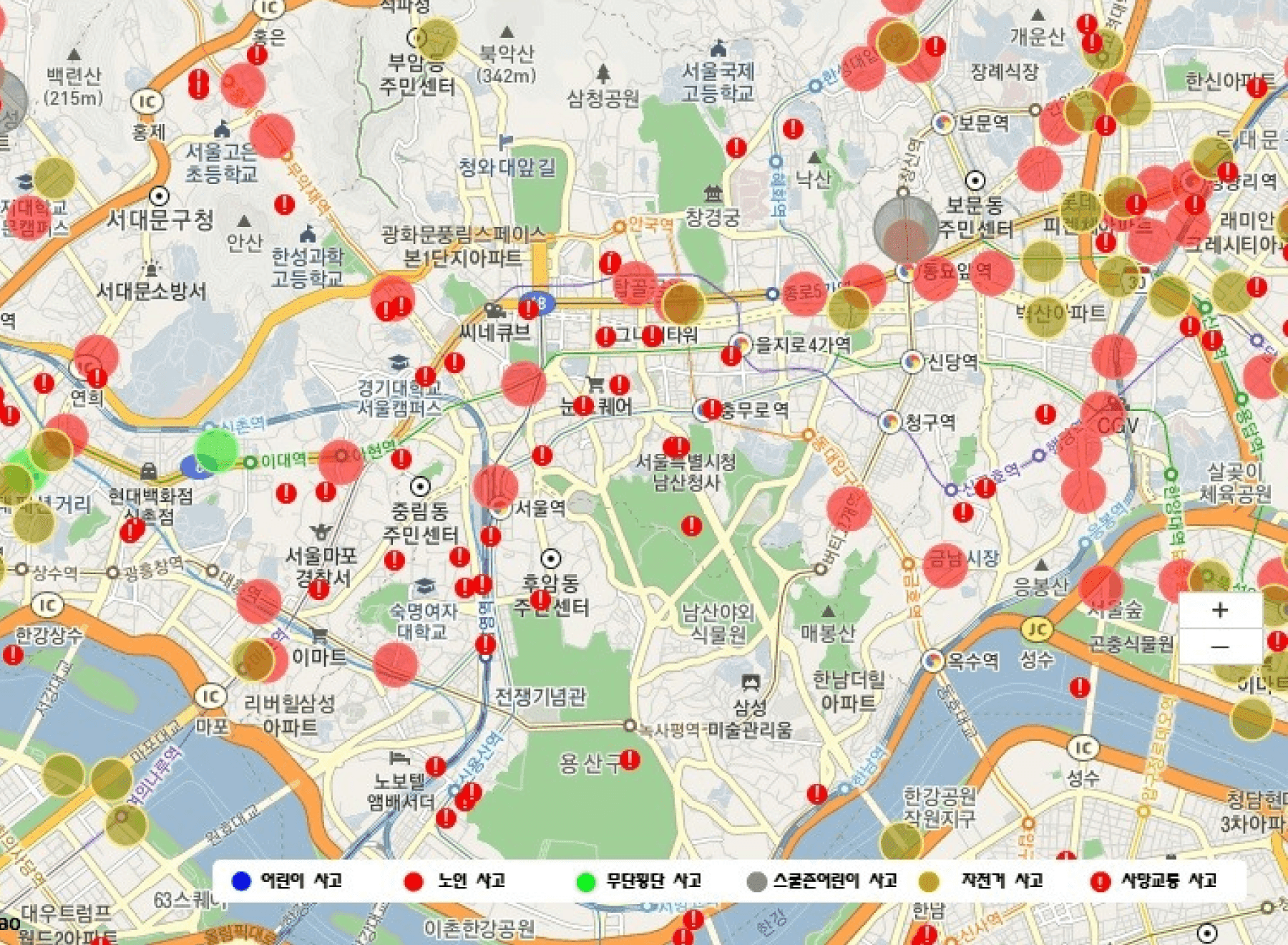
Zones with accident history come first
Zones that have accumulated accident history by type, such as incidents involving children or older pedestrians, jaywalking and school zones, are assessed first to set the installation order. After installation, traffic volume by time of day and warning history accumulate and become the grounds for the next year's plan and budget request. The data belongs to the client organization and is used directly for accident analysis and digital twin work.

Existing cameras from any manufacturer
Security CCTV already in place is integrated regardless of manufacturer, reducing the number of new installation points. Pedestrian detection still requires a downward angle over the road and adequate night lighting, so each location is checked by pulling the existing feed first. Because the units attach to existing structures without excavation, one intersection usually takes about two hours.
Recommended Products
Components Based on ORBRO OS
Each solution operates with various products connected on top of ORBRO OS. Configurations can be flexibly adjusted depending on the scope of application and on-site conditions.
Video-based Location Tracking
Video-based Location Tracking
Analyze camera footage to convert movements of people and vehicles into coordinates, providing map-based real-time tracking along with path and dwell-time analysis.
Learn More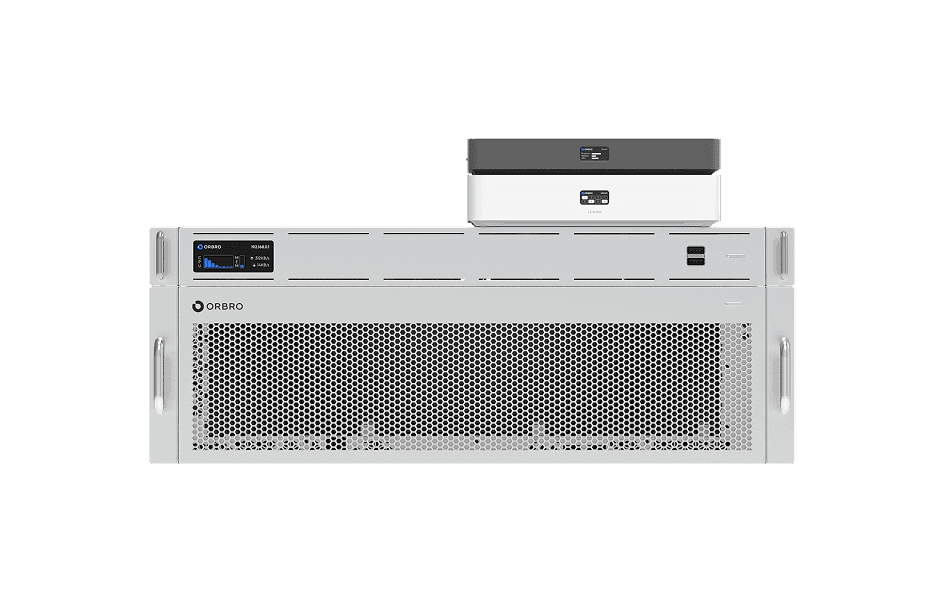
Worker Safety Management
Worker Safety Management
Automatically detect events such as falls, collapses, and intrusions. Alerts are sent immediately and situations are recorded to strengthen site safety and support rapid response.
Learn More