Have you ever imagined having a perfect "clone" of an entire factory, a complex building, or even a whole city right on your computer screen? Not just a static 3D model, but a replica that accurately reflects every movement, temperature change, or pressure shift happening in the real world at this very moment.
That is the power of a Digital Twin. Far from being a sci-fi concept, Digital Twin technology is becoming a strategic "weapon" helping businesses optimize operations and minimize risks in the digital age. But how does this technology actually work? Let’s dive in!
1. What is a Digital Twin? (It’s More Than Just a 3D Model)
Many people mistake a Digital Twin for just a fancy 3D drawing or a graphic model. However, the reality goes much deeper.
A Digital Twin is a living digital replica of a physical object, process, or system. The core difference lies in the data link: when the physical object changes, the digital twin updates instantly thanks to IoT sensors.
In other words, if a traditional 3D model is a static photo, a Digital Twin is a live broadcast. it allows you to monitor, analyze, and even predict the future behavior of that object.
2. How It Works: The Bridge Between Two Worlds
For a Digital Twin system to run smoothly, it requires the seamless coordination of three components:
The Physical World: Devices and machinery are equipped with sensors to collect data (location, temperature, speed, vibration, etc.).
Data Connection: This information is transmitted continuously via the internet (IoT) to a processing center.
The Virtual World: Here, AI algorithms and Big Data recreate the state of the object on a digital model.
Thanks to this connection, managers don't need to be on-site to know exactly how a machine is performing or to predict when a component might fail, allowing for timely maintenance.
3. Why Do Businesses Need a Digital Twin?
It’s no coincidence that global corporations are pouring billions of dollars into this technology. The benefits are incredibly practical:
Cost Optimization: Instead of testing and risking expensive physical equipment, you can run simulations on the Digital Twin to find the best operational processes.
Risk Prediction: The system can provide early warnings for potential failures, helping businesses avoid sudden production halts—which often result in massive financial losses.
Efficiency Improvement: Analyzing data from the digital replica helps you identify "bottlenecks" in a production line or building management, allowing for adjustments that maximize performance.
4. Real-World Applications
This technology is making its way into every industry, creating revolutionary changes:
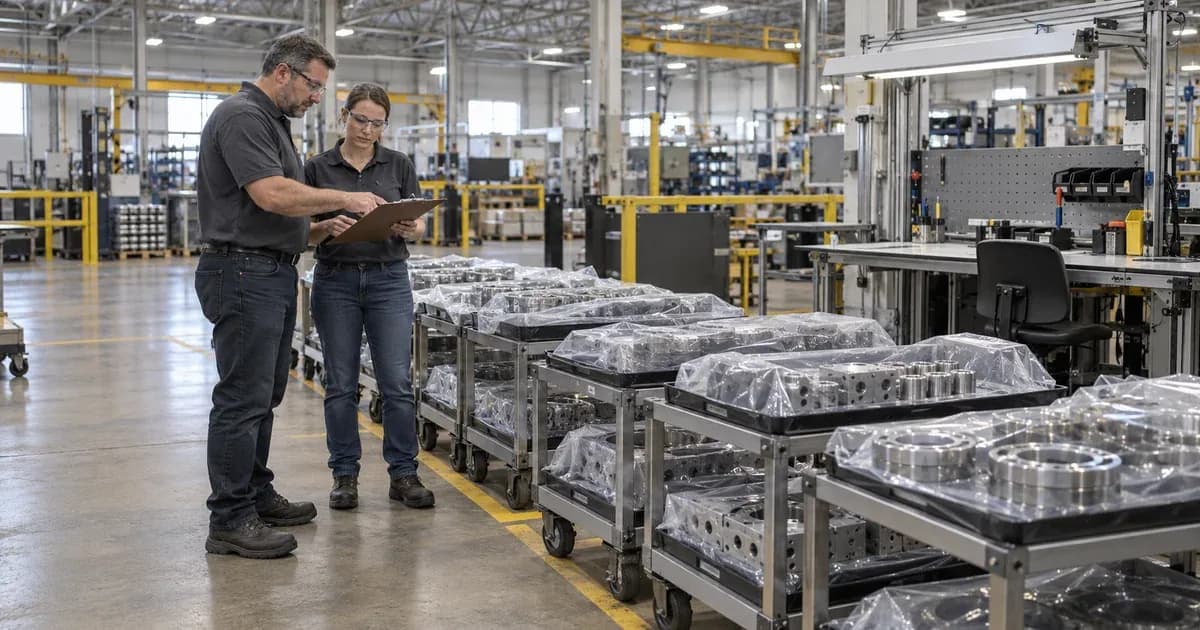
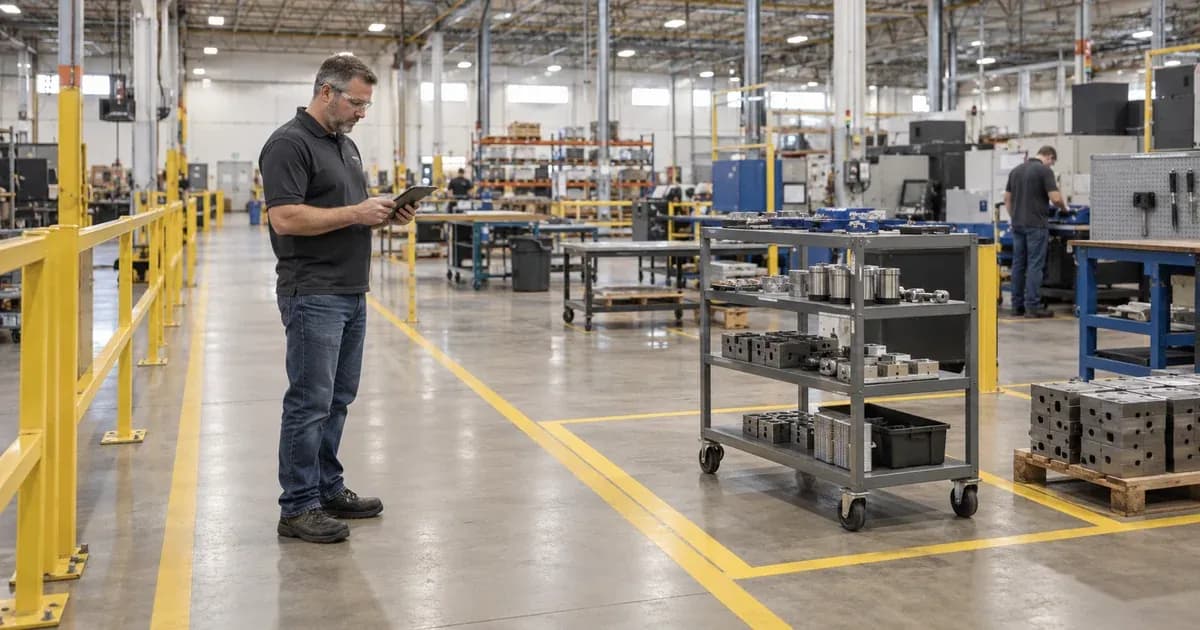
Manufacturing (Smart Factory): Modern plants use Digital Twins to manage the entire product lifecycle. For example, an automotive plant can track every robotic arm to ensure absolute precision.
Building Management & Smart Cities: In Vietnam, the Smart City trend is growing rapidly in Da Nang, Ho Chi Minh City, and Hanoi. Digital Twins help manage traffic flow, water/electricity systems, and building security through an intuitive digital map.
Healthcare: Doctors can create Digital Twins of a patient's organs to simulate a surgery before performing the actual procedure, significantly increasing success rates.

5. The Perfect Combo: Digital Twin and RTLS
One of the most powerful applications of a Digital Twin is when it is combined with a Real-Time Location System (RTLS).
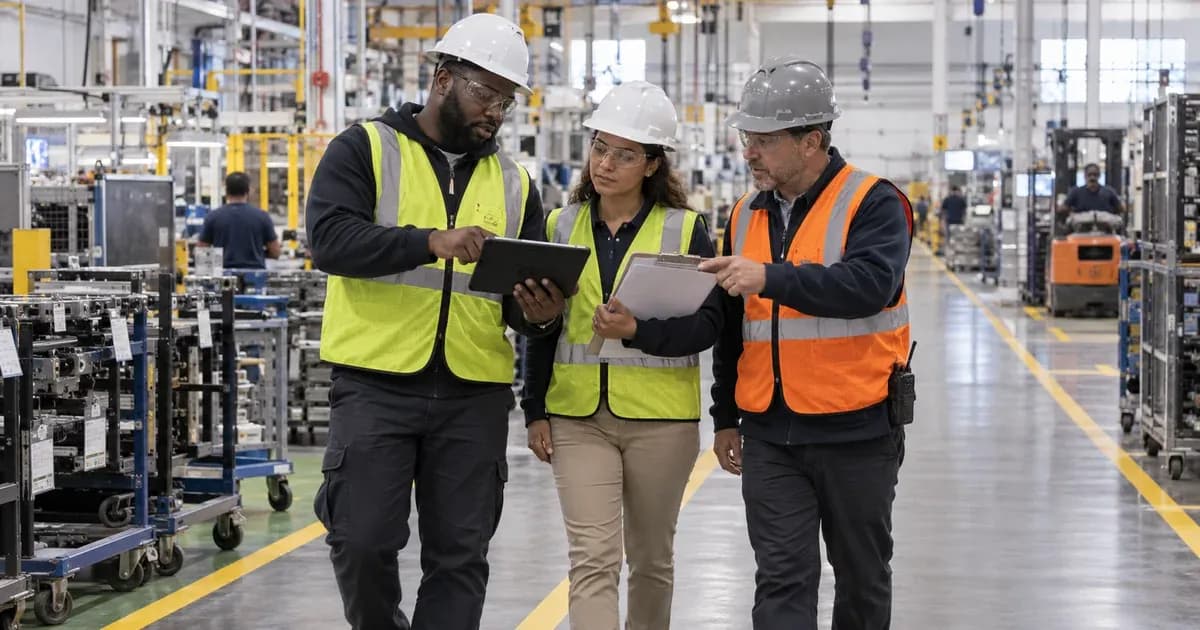
Imagine a massive warehouse. The Digital Twin shows you the 3D layout, while the RTLS provides the exact location of every employee, forklift, or pallet—down to the centimeter. This combination provides a "God's eye view": you don't just see what the space looks like; you see exactly how everything is moving within it. This is the core solution that pioneers like ORBRO are aiming for—helping businesses manage assets and personnel with unprecedented precision.
6. Conclusion
A Digital Twin is no longer just an option; it is becoming the new standard for businesses that want to lead the race in digital transformation. By understanding and applying this "digital double," you can master your data, control risks, and open up new business opportunities.
The world is digitalizing faster than ever. Is your business ready to own its own "digital twin"?
Join ORBRO on this journey to explore more exciting technologies!