What Is a GPS Tracking System?
2025-06-21
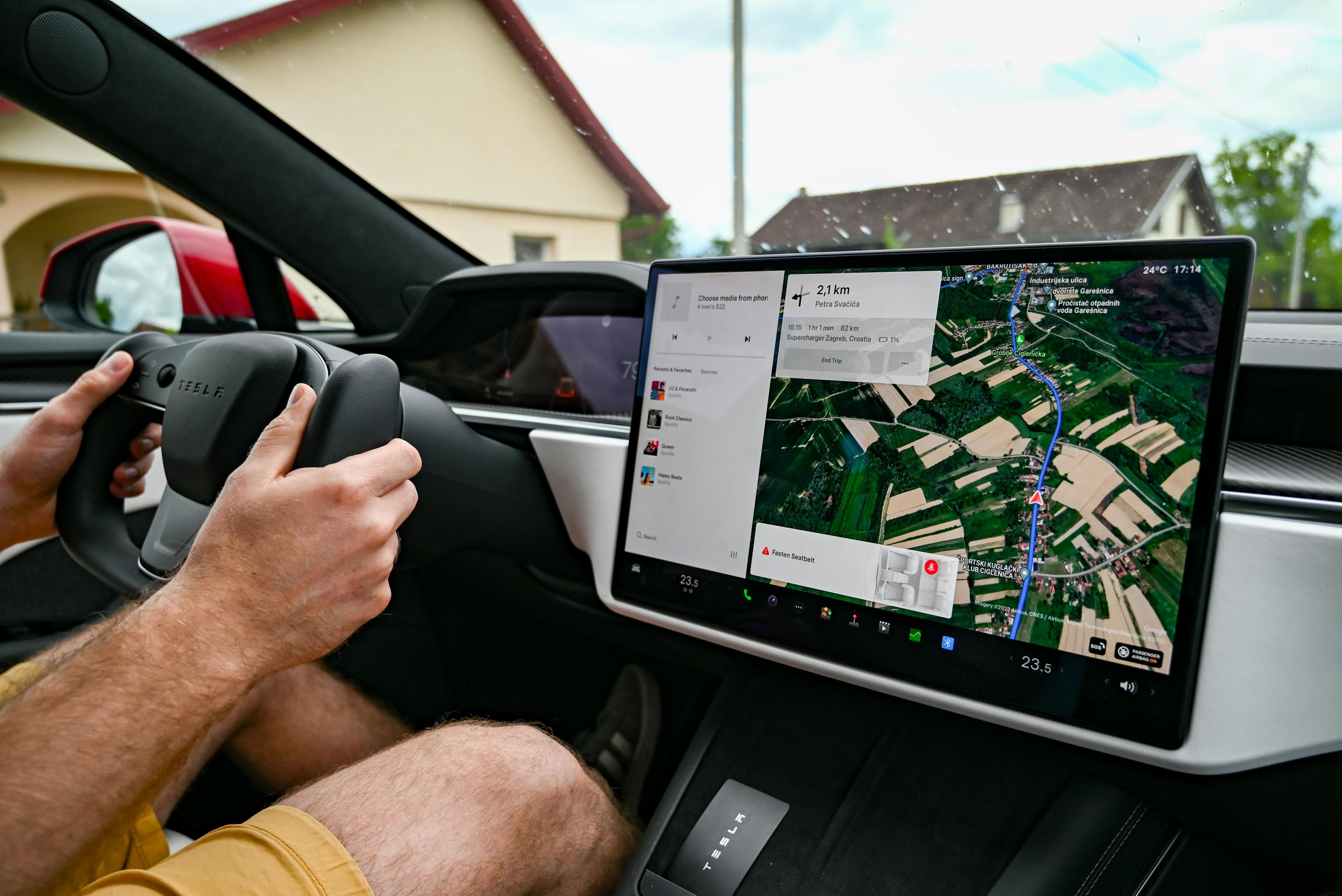
Have you ever wondered how delivery companies know exactly where their vehicles are, or how you could recover a stolen vehicle so quickly? The secret lies in GPS Tracking the positioning technology that’s revolutionizing how we manage and protect assets. So what exactly is GPS Tracking, how does it work, and what benefits does it offer? Let’s explore in this article!
1. What Is GPS Tracking?
GPS Tracking is a technology that leverages the Global Positioning System (GPS) to pinpoint the real-time location of an object such as a vehicle, piece of equipment, or even a person. That location data is then transmitted over cellular or Internet networks to a user’s device (smartphone, computer), so you always know where your asset is.
Beyond basic positioning, GPS Tracking also provides data on speed, direction, trip history, and even status (e.g., moving versus parked). Integrated with IoT, AI, and cloud platforms, modern GPS Tracking solutions are smarter than ever, opening up countless applications in daily life and business.
Example: A freight company uses GPS Tracking to see exactly where each truck is on its route ensuring on‑time deliveries.
2. How Does GPS Tracking Work?
Understanding GPS Tracking is easiest when you break it down into four steps:
Signal Reception: A GPS device on the object (like a car) receives satellite signals to calculate its coordinates.
Data Processing: The device processes location, speed, and timestamp data and may also record sensor inputs like fuel level or engine temperature.
Data Transmission: That information is sent via cellular networks (3G/4G/5G) or Wi‑Fi to a central server or user’s app.
Display & Analysis: You view the real‑time position on a map within an app or web dashboard, complete with detailed journey reports.
Many systems also include smart alerts such as deviation alarms if a vehicle strays off route or tamper alerts if the tracker is disconnected.
Example: A parent tracks their child’s commute to school and receives an alert if they wander outside a designated safety zone.
3. Common Types of GPS Tracking Systems
GPS Tracking comes in multiple flavors depending on what you need to monitor:
Vehicle GPS Tracking
Purpose: Track cars, motorcycles, or trucks monitoring location, speed, and route.
Benefits: Theft prevention, route optimization, fleet management.
Use Cases: Delivery companies, rental agencies, personal vehicle security.
Personal GPS Tracking
Purpose: Wearable devices (watches, bracelets, tags) for people.
Benefits: Portable, discreet, ideal for child or elder monitoring and security personnel.
Use Cases: Families tracking children or seniors, security firms, rescue teams.
Asset GPS Tracking
Purpose: Track high‑value assets (machinery, shipping containers, goods).
Benefits: Loss prevention, transit monitoring.
Use Cases: Logistics providers, warehouses, industrial equipment management.
Animal GPS Tracking
Purpose: Collars or tags on pets or wildlife.
Benefits: Lightweight, durable, designed for harsh outdoor conditions.
Use Cases: Pet owners, wildlife researchers, conservation projects.
4. Benefits of GPS Tracking
GPS Tracking delivers a broad range of advantages:
Enhanced Security: Know the exact location of assets or loved ones to prevent theft or loss.
Example: A stolen motorcycle is recovered within hours thanks to its hidden GPS tracker.Operational Efficiency: Generate route, speed, and idle‑time data to improve performance.
Example: A courier service uses GPS data to optimize routes, reducing delivery times and boosting customer satisfaction.Cost Savings: Cut fuel, maintenance, and labor costs through route optimization and effective monitoring.
Example: A trucking fleet saves 20% on fuel by following the GPS system’s shortest‑route recommendations.Valuable Insights: Detailed trip reports (distance, stops, driving behavior) enable smarter decisions.
Example: A logistics firm analyzes stop patterns to refine delivery schedules.Better Customer Experience: Offer precise ETAs based on real‑time location.
Example: A ride‑hailing app shows passengers exactly how far away their driver is.
5. Real-World Applications of GPS Tracking
GPS Tracking touches every corner of life and business:
Fleet Management: Track delivery vans, taxis, or rentals for streamlined dispatch and route control.
Example: A transport company enforces routes and schedules to ensure on‑time deliveries.Vehicle Security: Protect cars and bikes from theft with real‑time location alerts.
Example: A motorcyclist retrieves their stolen bike thanks to its factory‑installed GPS tracker.Logistics & Supply Chain: Monitor goods, containers, or trailers for safe, timely delivery.
Example: An exporter tracks a container from factory floor to port gate.Family Safety: Keep tabs on children, elderly relatives, or pets.
Example: Parents wear GPS watches to know their kids’ school arrival times.Conservation & Research: Track endangered wildlife to study movements and habitats.
Example: Ecologists monitor elephant herds deep in the rainforest.Field Staff Management: Oversee remote workers such as technicians or delivery personnel.
Example: A service company dispatches the nearest field technician based on GPS location.
6. Tips for Choosing the Right GPS Tracking System
To get maximum benefit, pick a solution tailored to your needs:
Define Your Goal: Vehicle, personal, or asset tracking? Each category has specialized devices.
Check Features: Look for geofencing alerts, trip history logs, integration with AI analytics.
Durability: Outdoor use demands water‑resistant, shock‑proof trackers.
Connectivity: Opt for 4G/5G support for fast data transmission.
Budget: Compare cost‑effective DIY trackers versus enterprise‑grade platforms factor in any subscription fees.
Tip: For large fleets, choose a platform with advanced reporting and API integrations.
7. Conclusion
GPS Tracking is more than just a positioning tool, it’s the key to asset protection, operational excellence, and peace of mind. From managing fleets and securing families to powering scientific research, GPS Tracking is reshaping how we control and connect with the world around us.
Ready to harness the power of GPS Tracking? Select the right system today and take control of your assets, routes, and safety!Recommended Blogs

Contractor Safety Management, How to Record When Contract Workers Arrived and Where They Worked
2026-10-02
Fixed Asset Physical Inventory, Starting with the Undetected List Instead of the Whole Register
2026-10-01
Two-Person Rule, How to Verify the Pair Stayed Together Until the Job Was Done
2026-09-30
Material Handling Cart Tracking, Four Numbers to Check Before Buying More Carts
2026-09-29