What Are Logistics and Supply Chain Management?
2025-07-08
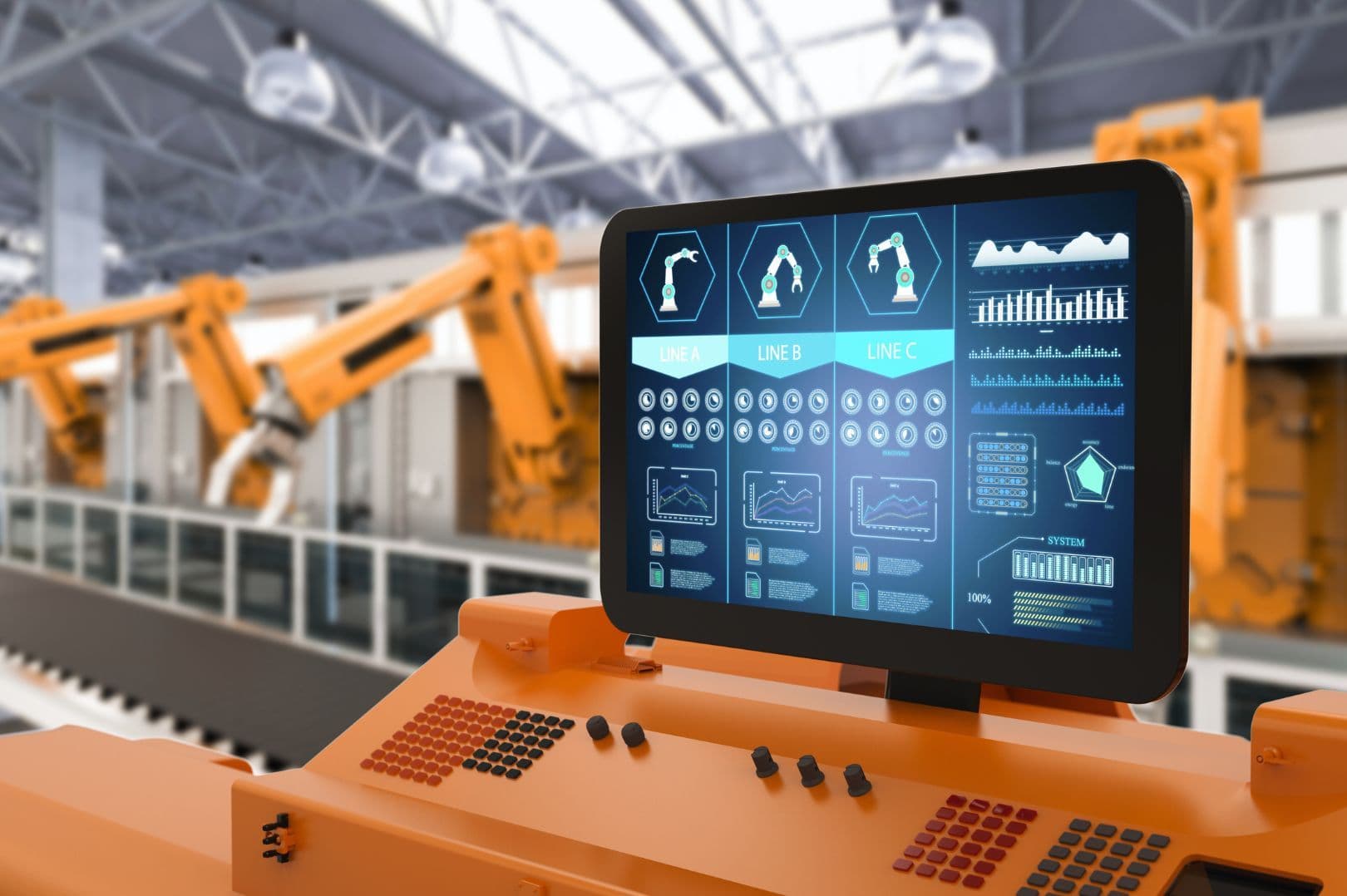
Have you ever wondered how packages from around the globe arrive at your doorstep in just a few days? The key lies in logistics and supply chain managementtwo pillars of today’s economy. Fueled by information technology, these processes are being revolutionized to deliver outstanding efficiency for businesses. So what exactly are logistics and supply chain management, how do they work, and why are they so critical in the digital age? Let’s dive in!
Logistics is the planning, execution, and control of moving and storing goods, services, and information from origin to consumption, maximizing cost-effectiveness. It encompasses transportation, warehousing, packaging, and inventory management. Supply Chain Management (SCM) is broader: it coordinates the entire flow from raw materials to finished products in customers’ hands. Beyond logistics, SCM involves suppliers, manufacturers, and distributors working together to optimize the flow of goods, information, and finances.1. Definitions: Logistics vs. Supply Chain Management
In the IT era, both functions leverage technologies like AI, IoT, and specialized management software to streamline operations and meet customer demands swiftly.
Example: An e-commerce platform uses real-time tracking and data analytics to deliver orders within 24 hours.
2. How They Work: Key Stages
Logistics and SCM unfold in five main phases:
Planning: Forecast demand, identify suppliers, and schedule transportation and warehousing.
Procurement: Source raw materials, ensuring quality and on-time delivery.
Production: Transform inputs into finished goods, optimizing manufacturing workflows.
Transportation & Distribution: Move products from factories to warehouses, then on to customers.
Information Management: Track inventory levels, shipment status, and performance metrics with software.
Feedback & Improvement: Gather customer feedback and refine processes for greater efficiency.
IT bridges these stages, from IoT sensor tracking of cold-chain cargo to AI-driven demand forecasting.
Example: A logistics firm uses IoT sensors to monitor refrigerated shipments, preserving product quality en route.
3. The Role of IT in Modern Logistics & SCM
IT innovations have transformed logistics and SCM. Key technologies include:
3.1. Internet of Things (IoT)
Function: Track vehicle and cargo conditions (location, temperature, humidity) in real time.
Benefit: Minimizes loss, ensures product integrity, and optimizes routing.
Example: A carrier monitors container locations via IoT, guaranteeing on-time delivery.
3.2. Artificial Intelligence (AI) & Machine Learning
Function: Analyze historical and live data to forecast demand, optimize routes, and flag risks.
Benefit: Reduces operational costs and enhances customer service.
Example: AI predicts peak holiday demand so retailers can stock appropriately.
3.3. Supply Chain Management Software
Function: Consolidate data from suppliers, warehouses, and carriers on a unified platform.
Benefit: Improves transparency and collaboration.
Example: An enterprise uses SAP SCM to monitor orders from factory floor to end customer.
3.4. Blockchain
Function: Secure, immutable ledger for every supply-chain transaction.
Benefit: Prevents fraud and verifies provenance.
Example: A food exporter uses blockchain to confirm organic certification.
3.5. Real-Time Location Systems (RTLS)
Function: Track goods and vehicles in warehouses or en route via RFID, Wi-Fi, or GPS.
Benefit: Cuts search times and boosts warehouse efficiency.
Example: A distribution center locates pallets in seconds using RTLS.
4. Benefits of Integrated Logistics & SCM
When powered by IT, logistics and SCM deliver:
Greater Operational Efficiency: Optimized routes and inventory reduce delivery times.
Example: A carrier cuts delivery times by 20% using AI route optimization.Cost Savings: Real-time data slashes waste in stock, transport, and production.
Example: Accurate inventory control saves millions annually.Enhanced Customer Experience: Transparent tracking and precise ETAs build loyalty.
Example: Shoppers receive live delivery updates via mobile app.Sustainability Gains: Smarter routing and energy use lower carbon footprints.
Example: An electric‐vehicle fleet managed by digital twins cuts emissions by 15%.Improved Transparency: Blockchain tracing of goods bolsters consumer trust.
Example: A coffee brand tracks beans from sustainable farms to store shelves.
5. Real-World Applications
Logistics and SCM underpin numerous industries:
E-commerce: Rapid, accurate delivery from warehouse to door.
Example: An online retailer achieves same-day shipping in major cities.Manufacturing: Streamlined production lines and just-in-time inventory.
Example: An auto plant uses RTLS to track parts, reducing assembly time.Healthcare: Reliable supply of medical devices and pharmaceuticals.
Example: A hospital employs digital twins to schedule MRI maintenance.Retail: Demand forecasting and stock replenishment to avoid overstock.
Example: A supermarket uses AI to predict daily produce needs.Agriculture: Traceability from farm to fork for quality assurance.
Example: A fruit exporter employs blockchain for export compliance.
6. The Future of Logistics & SCM
Emerging trends promise further transformation:
Full Automation: Driver-less trucks and delivery drones will reshape transport.
Advanced AI: Even more accurate demand and risk forecasting.
Widespread Blockchain: Universal trust and traceability across global networks.
Sustainability Focus: Green energy fleets and circular supply chains.
Example: Imagine AI-driven drones delivering packages within 30 minutes while minimizing carbon emissions.
7. Conclusion
Logistics and supply chain management are the backbone of the global economy and catalysts for digital-era growth. With AI, IoT, blockchain, and RTLS at their core, these processes become smarter, more efficient, and more sustainable than ever. If you’re ready to optimize your supply chain and enhance business performance, start exploring these cutting-edge technologies today!
Recommended Blogs
Found the Medical Equipment. Is It Ready to Use?
2026-10-07
Your Factory Layout Changed. Did Your RTLS Map?
2026-10-06

Contractor Safety Management, How to Record When Contract Workers Arrived and Where They Worked
2026-10-02

Fixed Asset Physical Inventory, Starting with the Undetected List Instead of the Whole Register
2026-10-01