What is Smart Transportation?
2025-06-18
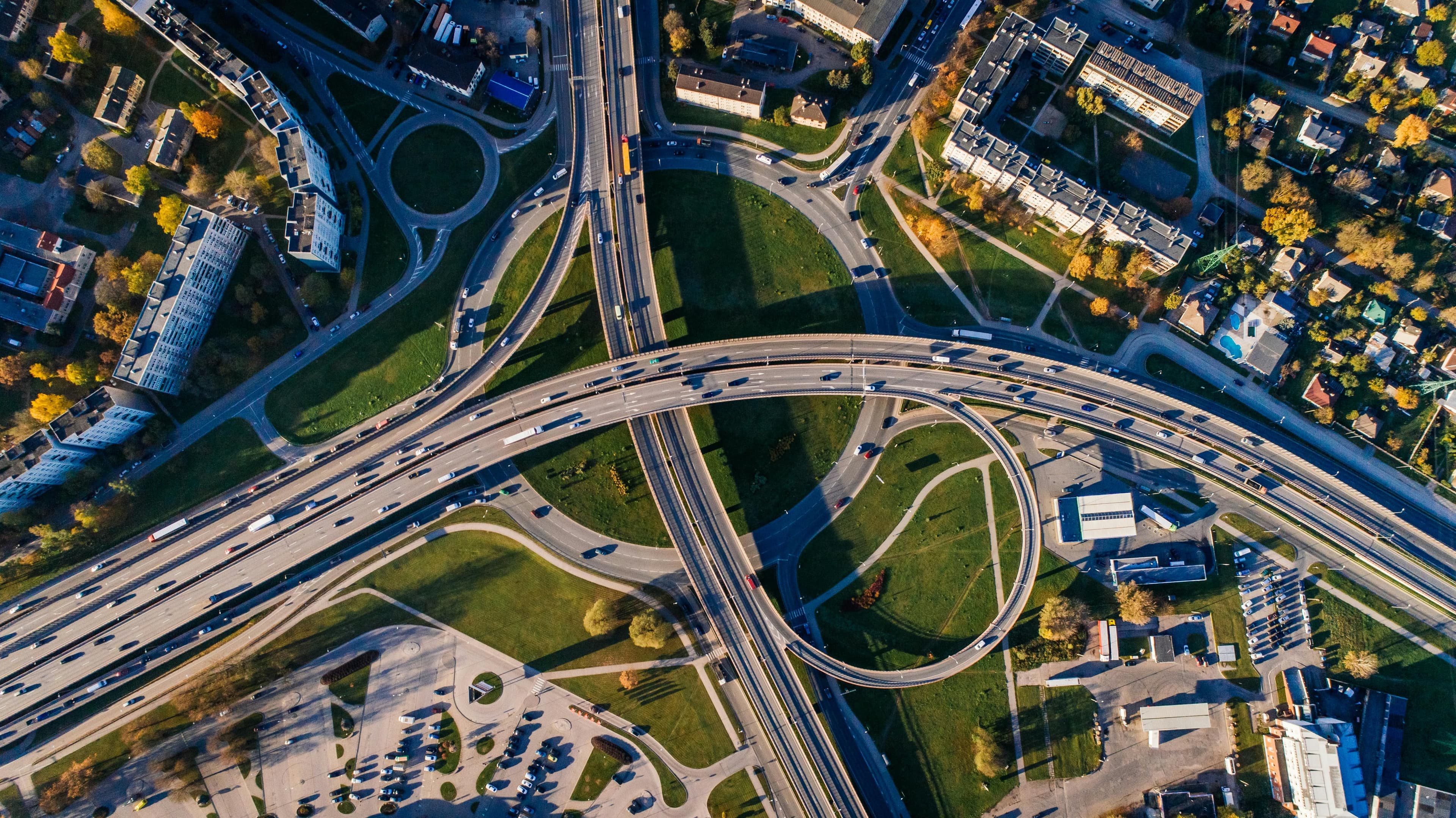
Transportation is an indispensable part of urban life, but it also brings many challenges such as traffic congestion, accidents, and environmental pollution. To tackle these issues, Smart Transportation has emerged as a global trend. So, what exactly is Smart Transportation? How does it transform the way we travel? Let’s dive in and explore!
What is Smart Transportation?
Smart Transportation, also known as Intelligent Transportation Systems (ITS), refers to the use of information technology, communication systems, and artificial intelligence to manage and operate transportation networks. The primary aim of Smart Transportation is to improve efficiency, safety, and convenience for road users while reducing negative environmental impacts.
This system encompasses various elements, including traffic flow management, real-time information delivery, and public transportation optimization. A standout technology in Smart Transportation is RTLS (Real-Time Location System), which enables precise, real-time tracking of vehicle locations.
What is RTLS?
RTLS (Real-Time Location System) plays a vital role in enhancing the effectiveness of Smart Transportation, a system now widely adopted around the world.
RTLS is a real-time positioning technology that utilizes tools like Wi-Fi, RFID, GPS, or ultrasound to pinpoint the location of objects such as vehicles or goods instantly. Within Smart Transportation, RTLS supports vehicle management and streamlines operations with greater efficiency.
Applications of RTLS in Smart Transportation
1. Fleet Management
RTLS tracks the exact positions of trucks, buses, or taxis, enabling better route coordination and reduced waiting times.
For example, logistics companies rely on RTLS to optimize delivery schedules, ensuring vehicles take the right paths and arrive on time.
2. Urban Traffic Monitoring
RTLS delivers real-time vehicle location data, allowing authorities to adjust traffic flow and alleviate congestion.
In cities like Singapore, RTLS is integrated into public transportation systems to monitor vehicles and adapt schedules dynamically.
3. Parking Search Assistance
RTLS assists drivers in locating available parking spots through mobile apps, cutting down search time and easing congestion in crowded areas.
Cities like Seoul, for instance, use RTLS in smart parking solutions.
4. Enhancing Traffic Safety
RTLS identifies unusual vehicle behaviors (e.g., speeding or sudden braking) and sends prompt alerts to drivers and authorities.
Real-life Examples
Singapore: The transportation network uses RTLS to oversee public transport and employs the ERP toll system to regulate vehicle entry into city centers.
South Korea: Seoul’s TOPIS system leverages RTLS to monitor buses, offering passengers real-time updates via apps.
United States: Los Angeles applies RTLS for adaptive traffic light control and vehicle flow monitoring.
Benefits of Smart Transportation
1. Reducing Traffic Congestion
Dynamically adjusts vehicle flow to ease congestion during peak hours.
Provides drivers with real-time updates to avoid crowded routes.
2. Enhancing Traffic Safety
Driver-assistance technologies and early warnings reduce accident rates.
Traffic monitoring systems quickly detect and respond to incidents.
3. Saving Time and Costs
Faster, smoother travel saves time for commuters.
Optimized routes lower fuel expenses.
4. Reducing Environmental Pollution
Improved traffic flow cuts down vehicle emissions.
Encourages public transport use, decreasing reliance on private cars.
5. Improving Quality of Life
Reduces stress caused by congestion, offering a more comfortable travel experience.
Enhances access to services and opportunities, contributing to better Urban Traffic Solutions.
Conclusion: The Importance of Smart Transportation
Smart Transportation, powered by technologies like RTLS, IoT, AI, and Big Data, is more than just a trend, it's a practical answer to urban traffic challenges. From easing congestion and boosting Traffic Safety to protecting the environment, Smart Transportation paves the way for a sustainable future. Let’s embrace and learn more about these initiatives to build a better living environment!Recommended Blogs
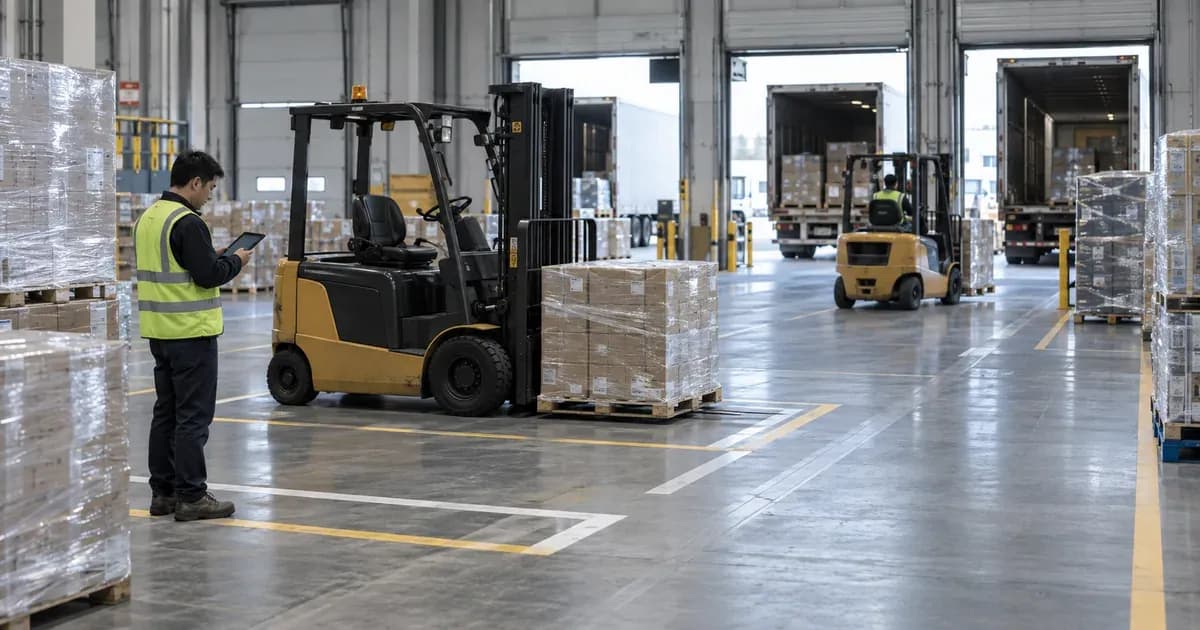
Forklifts Queue at Dispatch. Look at Dwell Time.
2026-10-08
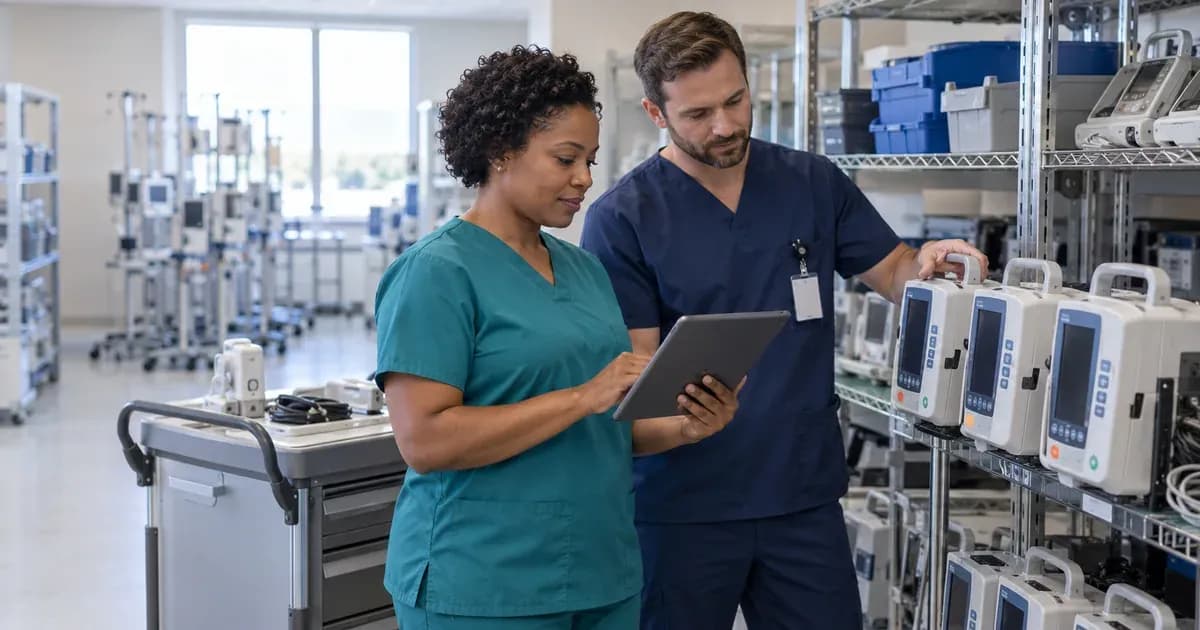
Found the Medical Equipment. Is It Ready to Use?
2026-10-07
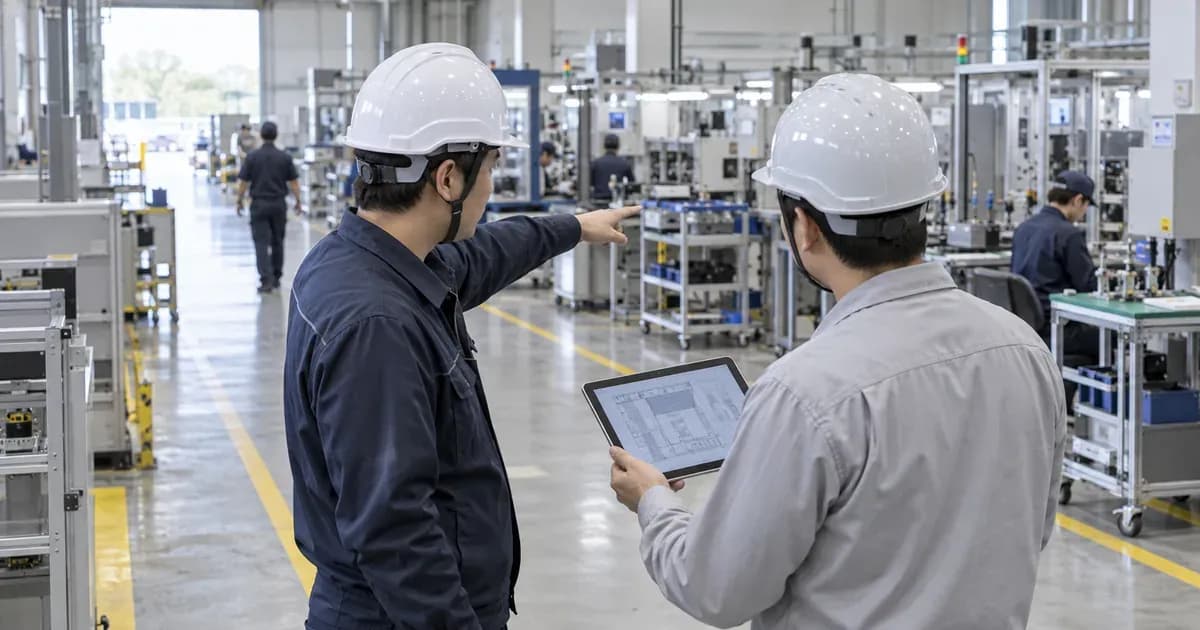
Your Factory Layout Changed. Did Your RTLS Map?
2026-10-06

Contractor Safety Management, How to Record When Contract Workers Arrived and Where They Worked
2026-10-02